
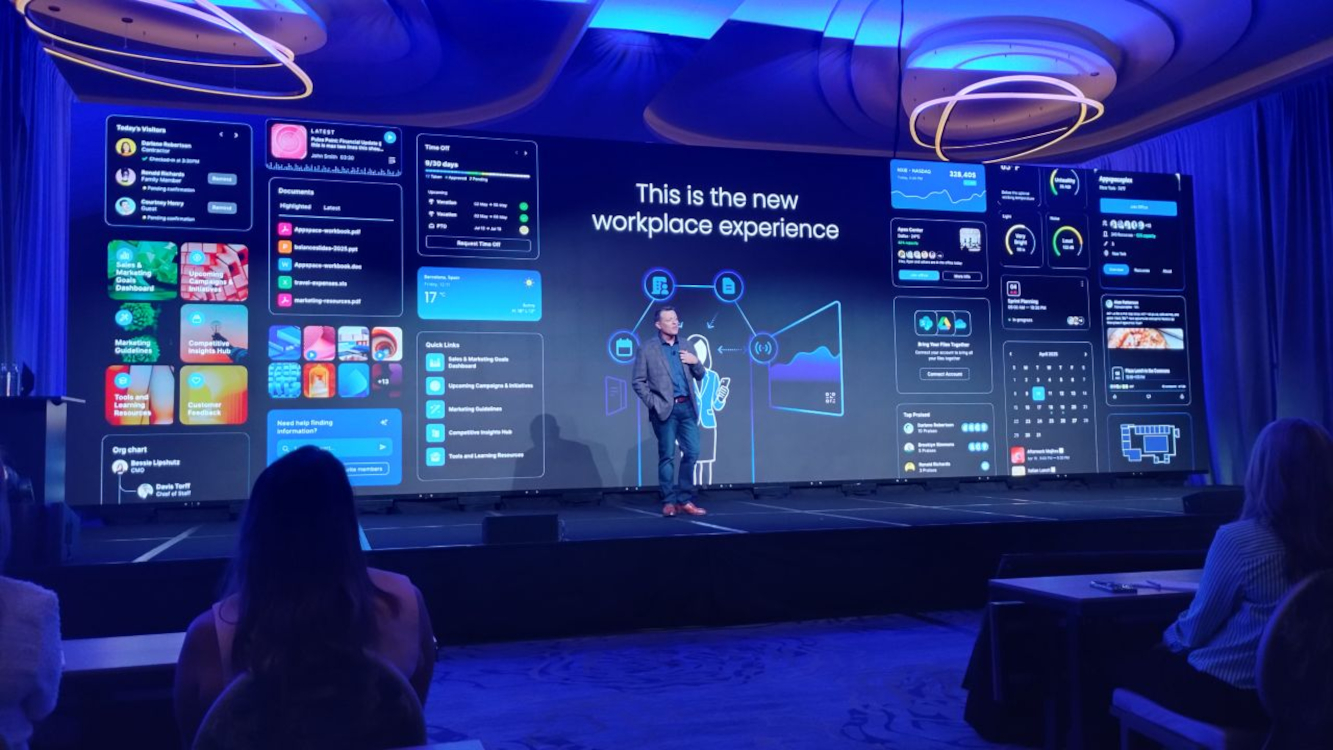
The biggest untapped opportunity in digital signage is not AI-generated content, but contextual relevance. Appspace's Situational Signage offers a glimpse of a future where screens respond dynamically to their environment rather than following predefined rules.
invidis Comment: The Untapped Potential of Context
For decades, digital signage has been built around playlists. Content was scheduled by time, location, and a predefined set of business rules. As the industry evolved, data integrations brought greater sophistication, allowing screens to react to external triggers such as weather conditions, operational metrics, or live information feeds.
The next frontier is context awareness.
Digital signage has always promised to deliver the right message at the right place and time. Yet most deployments still rely on assumptions made in advance. Content strategies are planned for scenarios that may or may not occur. The real opportunity lies in enabling screens to understand what is happening in their immediate surroundings and respond dynamically in real time.
The concept is not new. The industry has discussed context-aware and responsive signage for years, but practical implementation has been limited by fragmented data sources, disconnected systems, and the complexity of integrating real-world signals into content workflows. Workplace environments offer a unique exception. Unlike retail, transportation, or public venues, offices are highly structured and data-rich environments. Occupancy levels, room bookings, visitor activity, employee communications, and workplace services are already digitized and readily available.
This gives workplace experience platforms such as Appspace a distinct advantage. By connecting these data points, situational signage becomes more than a vision. It becomes a realistic application of contextual computing in the physical workplace.
If playlists represented the first generation of digital signage and data-driven content the second, context-aware signage may well define the third. The challenge will be proving that greater relevance justifies the additional complexity. But if successful, situational signage could finally move screens from simply displaying information to actively responding to the environment around them.
- Hospitality Displays: Samsung’s The Frame Hospitality TV Now Available In The US
- India: Kramer Creates Flexible Meeting Spaces for Sailpoint
- US$18 Million Cost-Cutting Plan: Daktronics to Close Ireland Factory
- Sphere Abu Dhabi: Blue Rhine Wins Exosphere Installation Contract
- Joan Interview: From E-Paper Pioneer to Workplace Platform