
Mumbai | A four-hour journey from Mumbai leads to one of the most advanced LED manufacturing facilities outside China. At LEDX in Gujarat, Xtreme Media is betting that India's rise as an electronics powerhouse will reshape the future of global display manufacturing.
LEDX: The Long Road to India’s LED Display Future
If you asked me where the world’s most advanced LED factory is located, I would probably have answered Shenzhen. Perhaps somewhere in the Pearl River Delta, surrounded by hundreds of suppliers, component makers and display manufacturers. I certainly would not have guessed that the answer might be hidden in a free trade zone, four hours north of Mumbai, at the end of a rain-soaked highway crossing two Indian states.
Yet that is exactly where Xtreme Media has built its new LED display manufacturing facility – LEDX Technology.
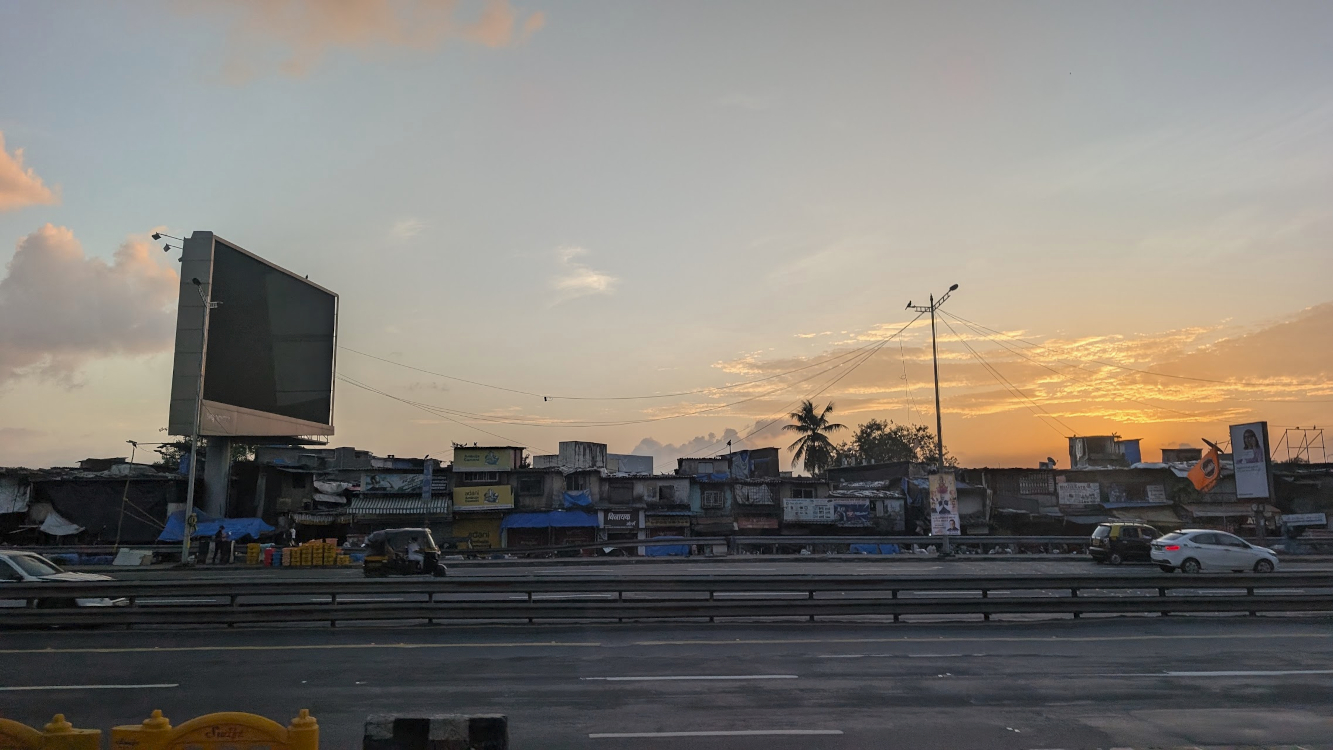
One day before Infocomm India, we left Mumbai well before sunrise. The mission sounded simple enough: avoid the city’s notorious traffic. In reality, Mumbai never really sleeps. Even at dawn, the roads were already packed. Through the bus window, countless DooH LED screens flashed by, or rather, stood dark and silent waiting for 7 a.m., when Mumbai’s nighttime operating restrictions would be lifted.
The contrast was striking. Massive roadside LED structures towered above dense neighbourhoods and sprawling informal settlements. The displays looked almost futuristic against the backdrop of corrugated rooftops and aging concrete buildings. It is a visual reminder of how rapidly India is embracing digital infrastructure.
Many of those displays carry an additional connection to our destination. Roughly half of India’s roadside LED screens are supplied by Xtreme Media. Until recently, most of those products originated in China. Today, an increasing share is being manufactured in India.
A journey into India’s manufacturing heartland
As Mumbai gradually disappeared behind us, the urban landscape gave way to greener surroundings. The monsoon season was nearing its end, but heavy rain showers still swept across western India, limiting visibility for part of the trip.
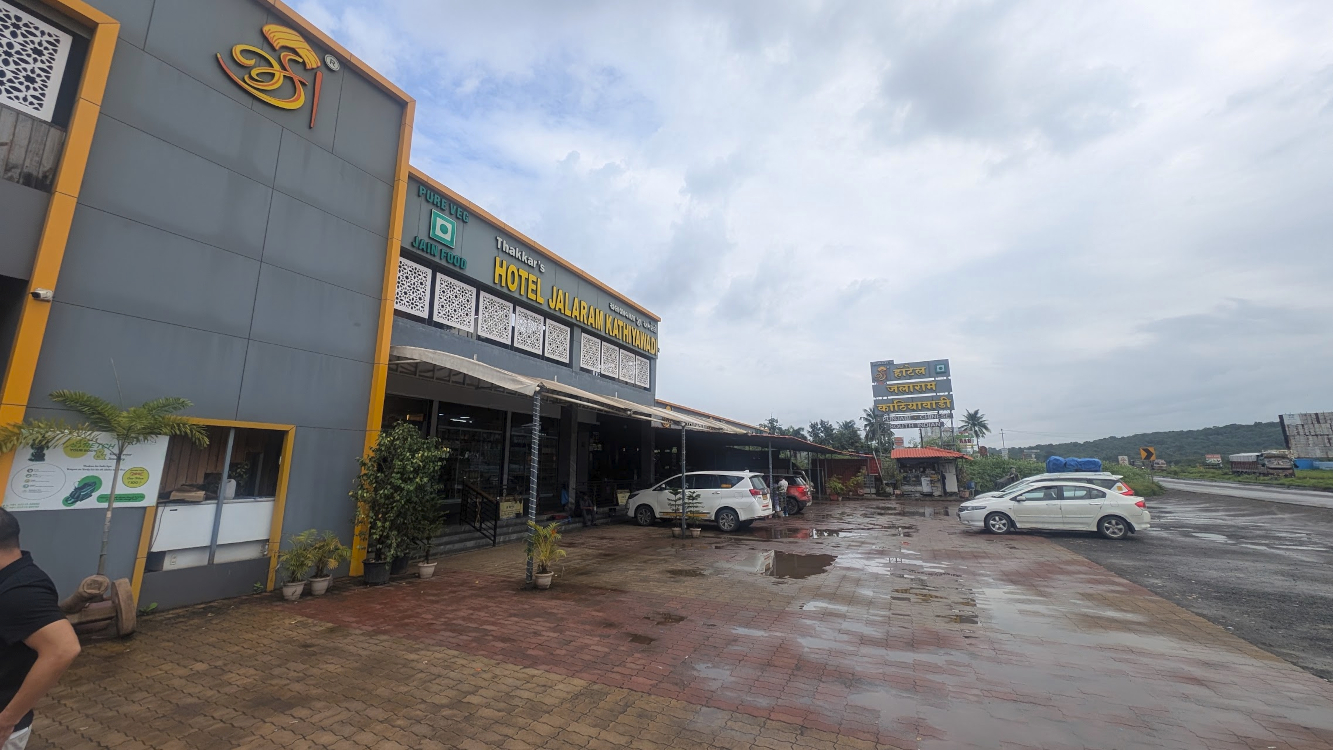
About halfway through the journey, we stopped for breakfast. In true Indian fashion, the meal quickly turned into a feast. Silver platters arrived continuously, filled with local specialities, each replaced almost as quickly as it was emptied. Nobody was in danger of leaving hungry.
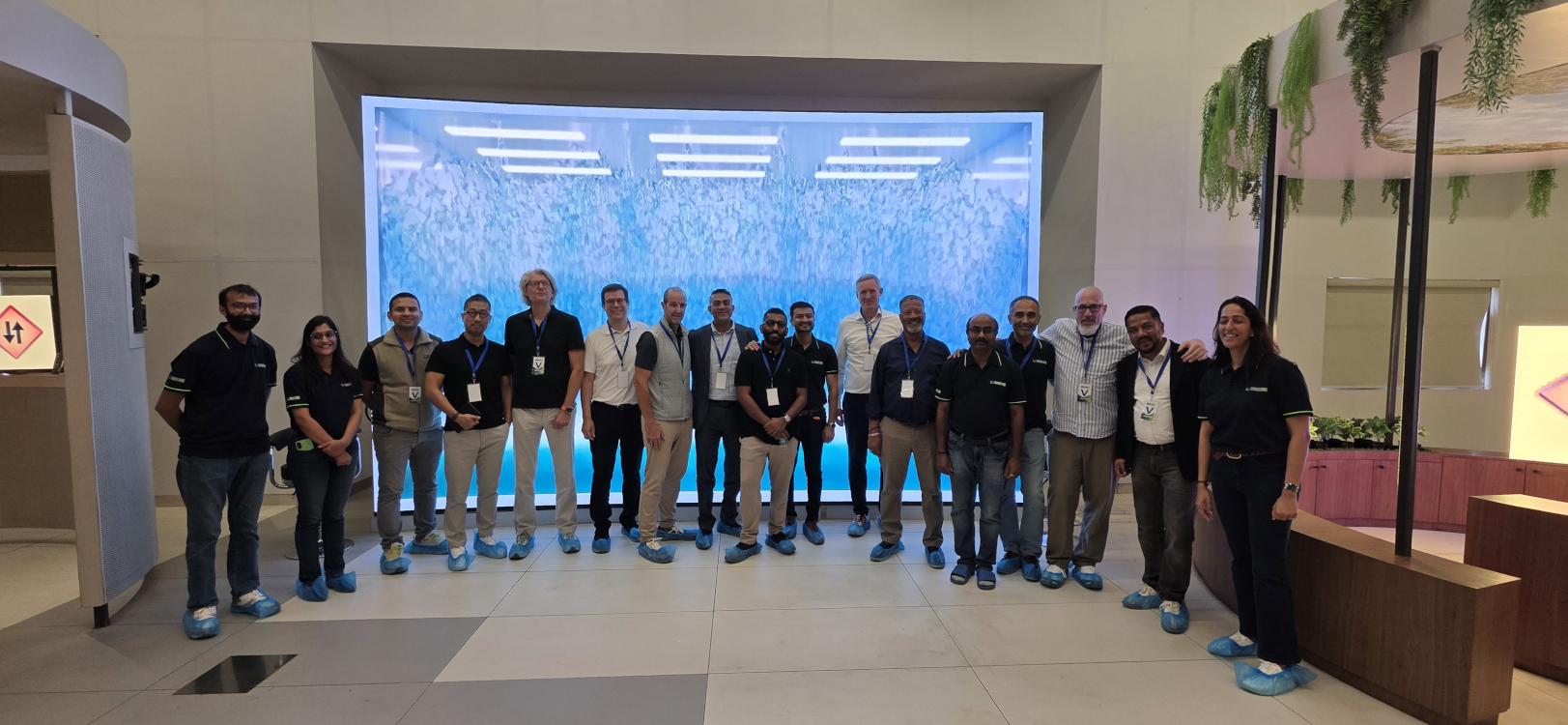
The factory visit brought together a group of fourteen digital signage integrators and industry specialists from Europe, India and the Middle East, invited by invidis and Xtreme Media to get a firsthand look at India’s first fully automated LED display manufacturing facility.
The second leg of the journey proved more demanding than expected. Road quality deteriorated noticeably, and any plans to work during the bus ride quickly disappeared. The bus bounced across stretches of highway with enthusiasm that made opening a laptop an exercise in optimism.
Two hours later, shortly after crossing into the state of Gujarat, we arrived at the Galaxy Free Trade Zone.
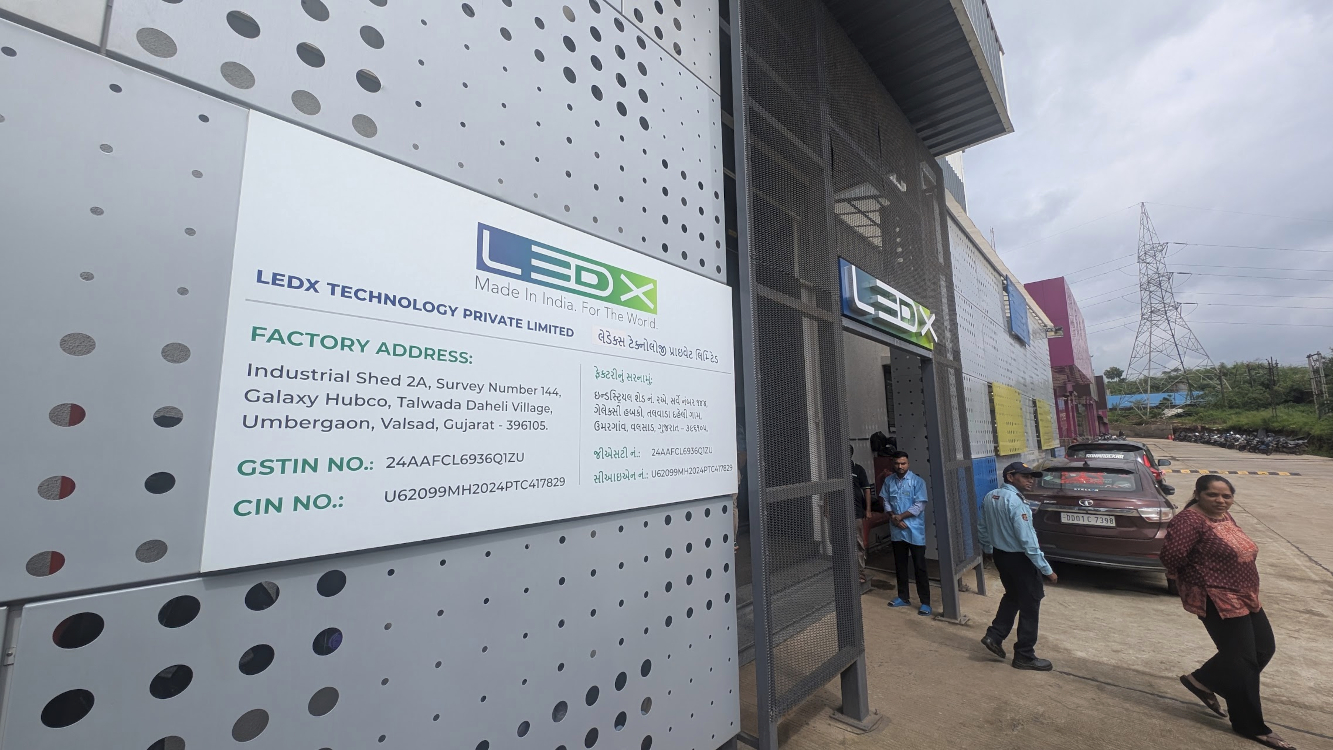
The factory appears almost unexpectedly. One moment there is little more than open land and industrial development. The next, a gleaming new production complex emerges from the landscape. What is perhaps most remarkable is that the facility was built in less than a year.
Clinical precision in the middle of nowhere
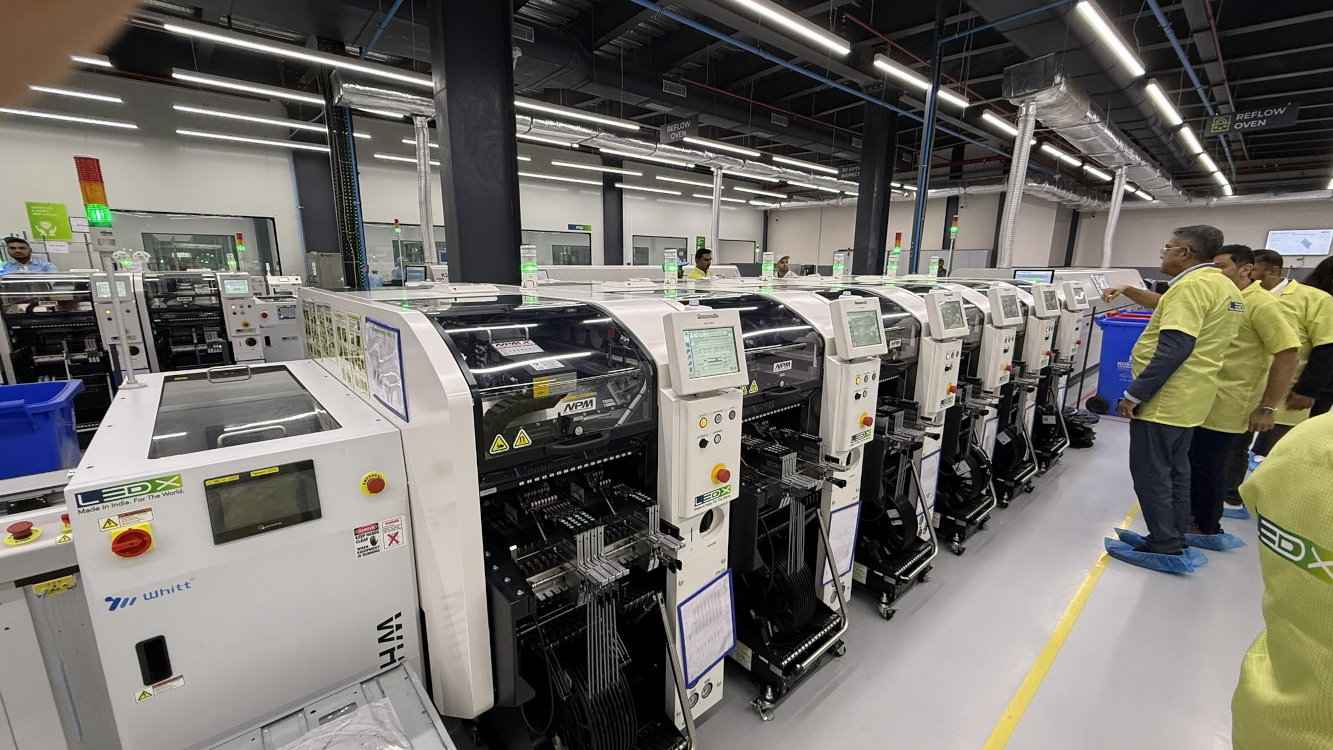
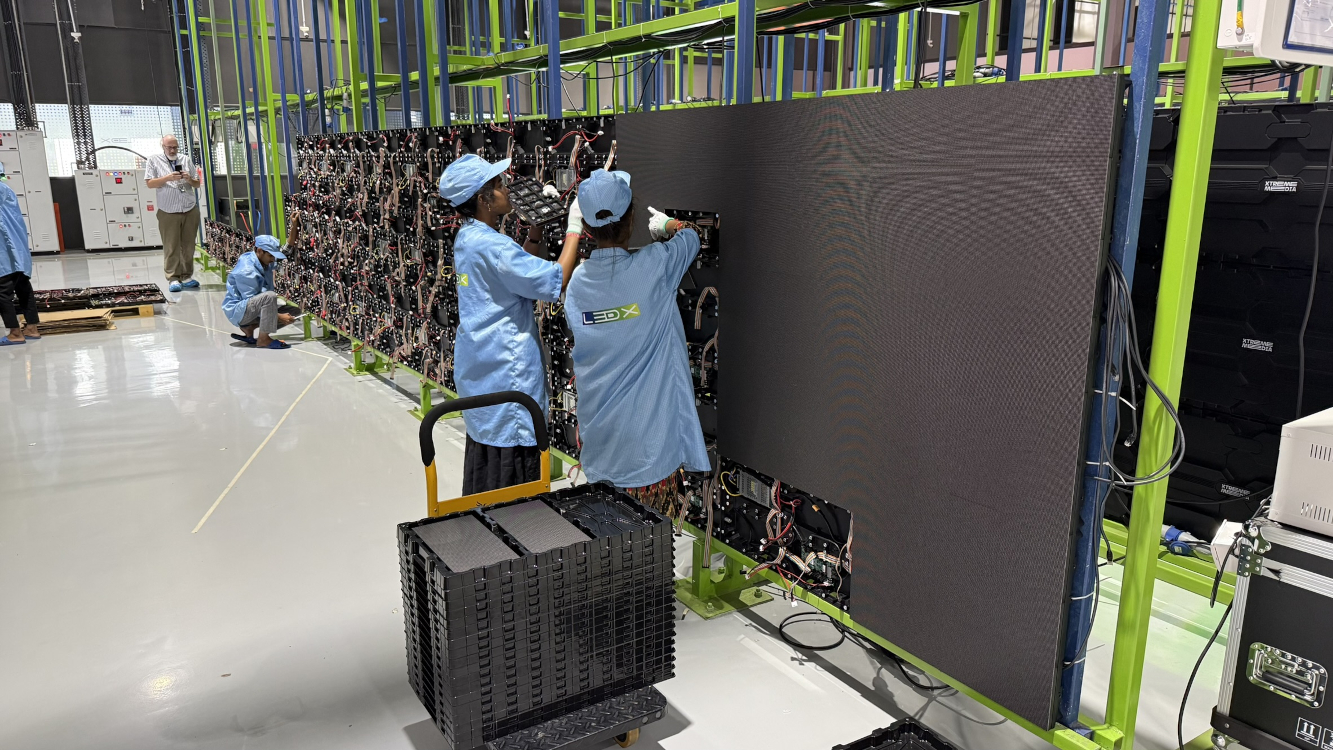
The first impression is cleanliness. Everything shines. The facility feels less like a traditional manufacturing plant and more like a semiconductor production environment. LED manufacturing takes place inside cleanrooms accessed through airlocks and automated shoe-cleaning systems. Every process appears designed to minimise contamination and maximise consistency.
Inside, the automated SMT process runs from high-accuracy solder-paste printing and 3D SPI inspection through Panasonic pick-and-place systems, reflow and 3D automated optical inspection, before modules move into downstream coating, ageing and cabinet assembly. Every few seconds another batch rolls off the line. Automation, however, is only part of the story.
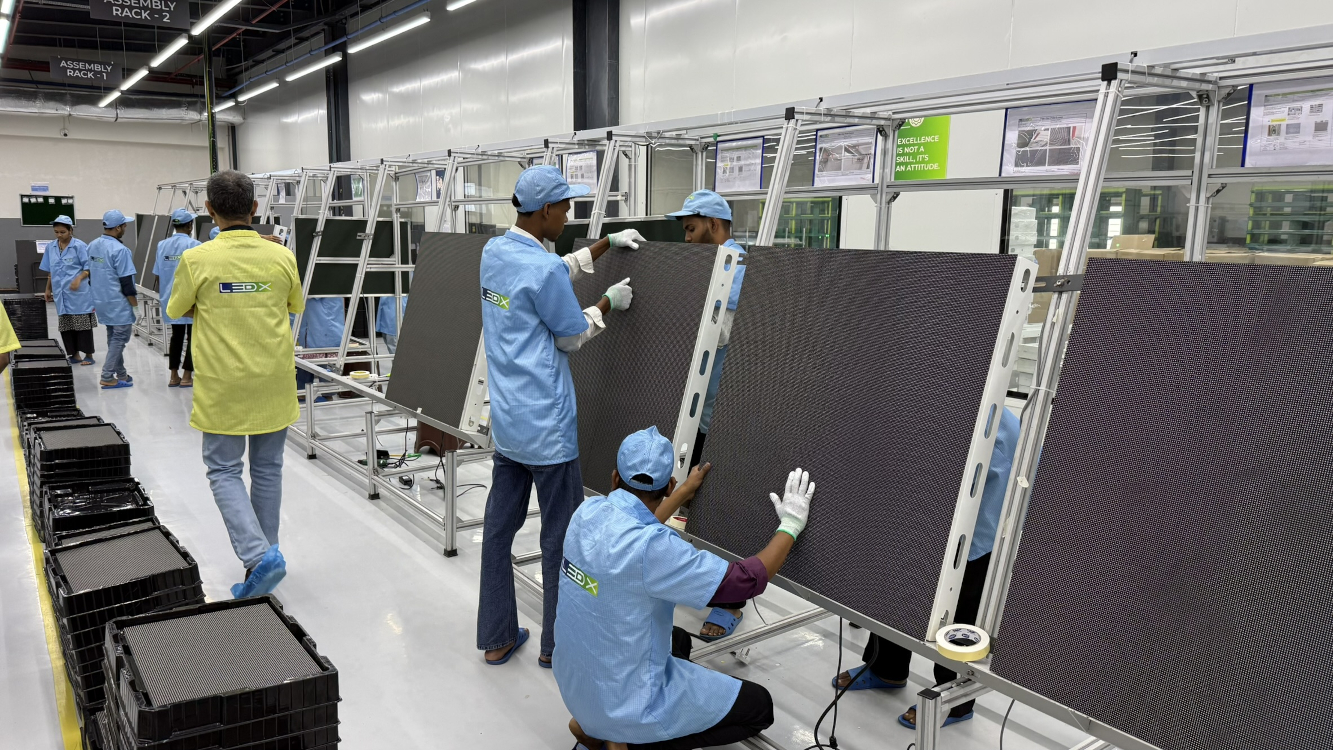
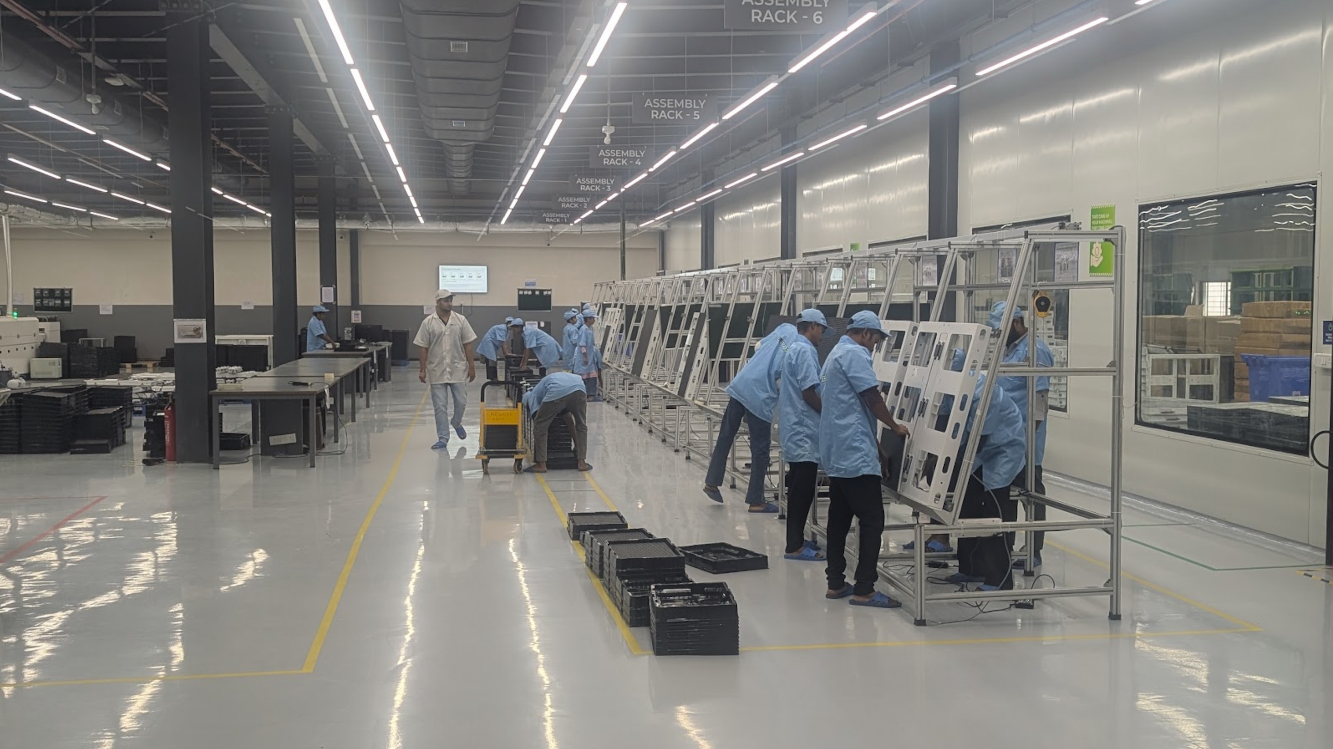
While the modules are produced by machines, cabinet assembly remains highly dependent on skilled labour. Teams of technicians carefully integrate modules, power supplies, control systems and mechanical structures into finished LED cabinets ready for deployment around the world.
The manufacturing model is designed with flexibility in mind. Customers can choose between control electronics sourced from China or Europe, allowing LedX to address increasingly complex geopolitical and supply chain considerations.
In a market where country of origin has become an important procurement criterion, that flexibility matters.
Building LEDs for the world
Perhaps the biggest surprise is not the factory itself but its business model.
Outside India, LEDX primarily operates as an OEM/ODM and white-label manufacturing partner, with co-innovation and custom engineering at the heart of its approach. While the LEDX name may not yet be familiar to many international buyers, there is a good chance that some LED displays sold under established global brands have already passed through this facility.
Since opening, the factory has manufactured more than ten thousand LED screen cabinets. The 10,000-square-metre facility has an annual production capacity of 50,000 square metres of LED displays, with room for additional manufacturing lines as demand grows.
Future expansion plans include MicroLED production, demonstrating that the company is already looking beyond current display technologies.
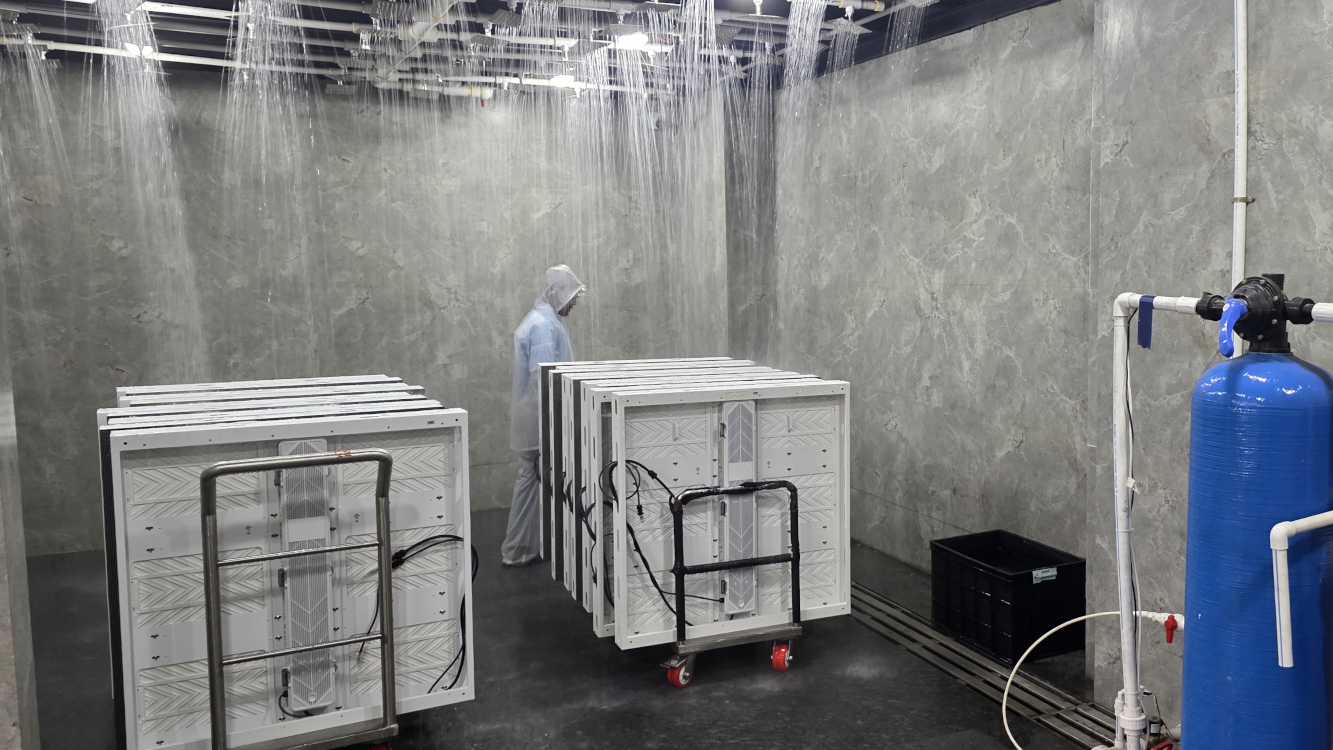
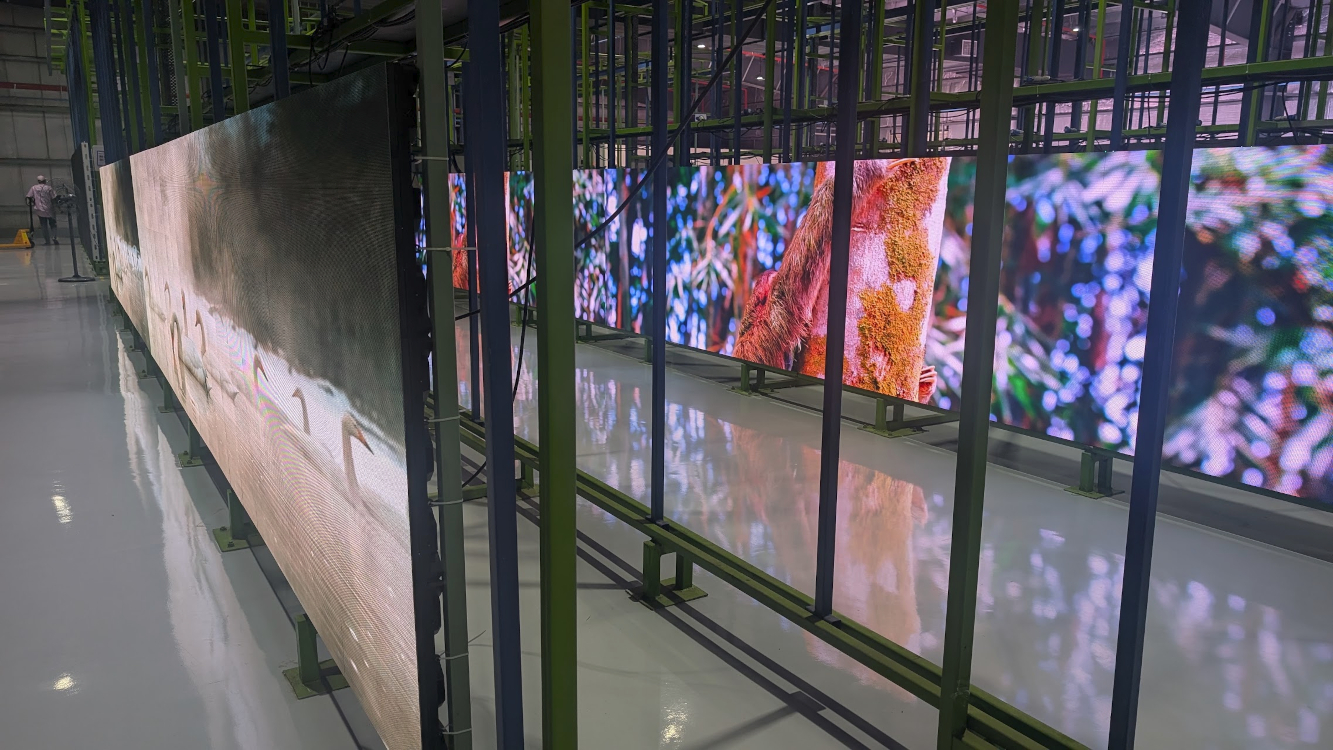
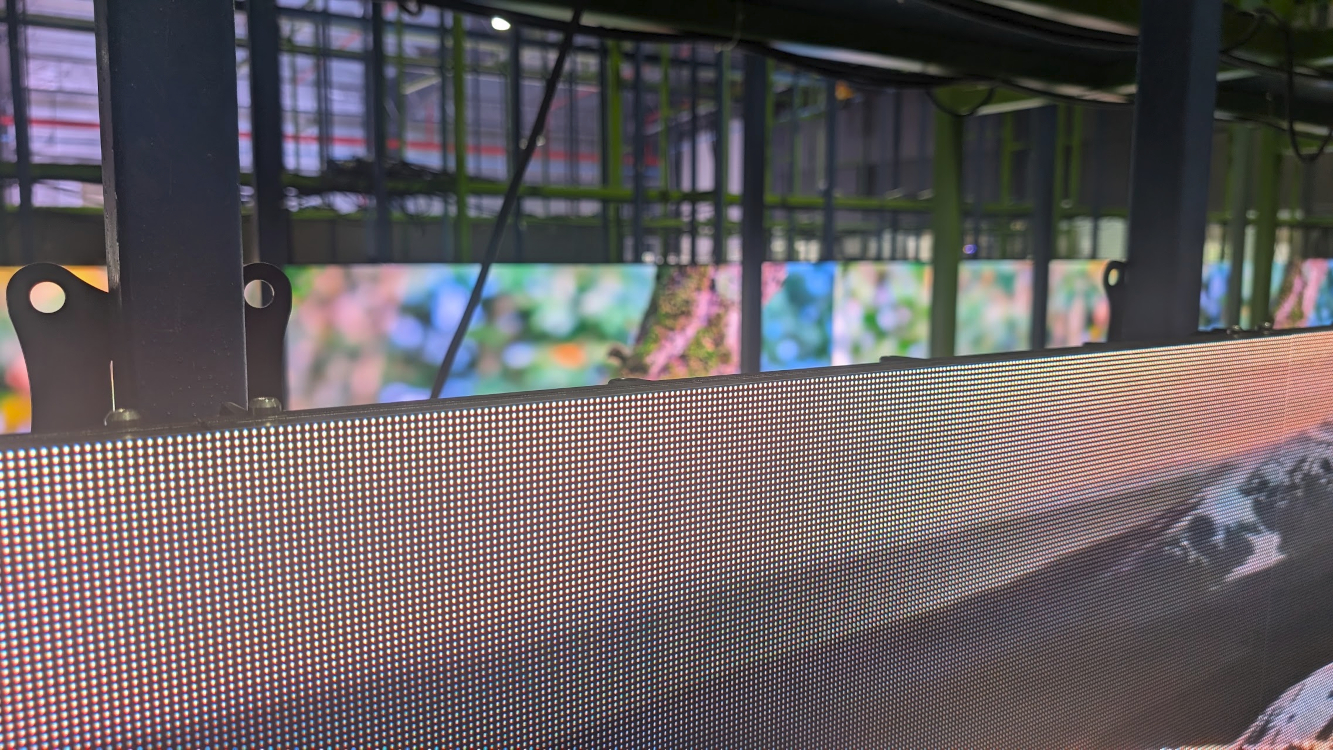
Equally impressive is the focus on quality assurance. Every completed LED module undergoes a burn-in process lasting between 80 and 100 hours. This testing window is not arbitrary. It corresponds closely with the period during which early-life SMD LED failures are most likely to occur. Across the production process, LEDX carries out more than 60 quality checks, with outdoor products additionally undergoing 100% IP testing. While LEDX itself is a new manufacturing venture, the engineering expertise behind it builds on more than 16 years of Active LED product design, R&D and field experience through Xtreme Media.
Why India, why now?
The LEDX factory is not an isolated project. It is part of a much broader transformation currently reshaping global electronics manufacturing.
As multinational companies seek to diversify supply chains beyond China, India has emerged as one of the biggest beneficiaries. Government incentive programs, competitive labour costs a third lower than in China, a growing engineering workforce and substantial infrastructure investments have attracted manufacturers across sectors ranging from smartphones and semiconductors to display technologies and electronic components.
India also offers something many manufacturing destinations cannot: scale. With one of the world’s largest domestic markets, manufacturers can justify investments not only for export production but also for serving local demand. The digital signage industry stands to benefit significantly from this shift.
Local manufacturing of LED displays, display components, media players and supporting electronics can shorten supply chains, reduce import dependency and improve cost competitiveness. For integrators and end users, this means greater availability, faster lead times and improved local support structures.
A glimpse of the future
What makes the LEDX factory noteworthy is not only its technology or production capacity. It is what the facility represents. For decades, the global LED industry has been synonymous with China. Supply chains, expertise and manufacturing capacity have been concentrated there to an extent unmatched by any other region.
That reality is unlikely to change overnight. But standing inside a spotless cleanroom in Gujarat, watching production lines churn out LED modules destined for Europe, North America and beyond, it becomes clear manufacturing is diversifying away from China.