
Johannesburg | Africa’s retail story is often told as one of rapid modernisation - but the reality is far more fragmented, with informal trade still dominating most markets and shaping how consumers buy every day. While South Africa stands out as the continent’s only truly formalised retail ecosystem and a natural hub for digital signage, scaling beyond it means navigating a complex, infrastructure‑constrained, and deeply local retail landscape.
Retail in Africa: Between Informality and Digital Transformation
Africa’s retail sector is undergoing visible change. Urbanisation, mobile connectivity, and a new generation of digital consumers are beginning to reshape how goods are distributed and sold. Yet the headline narrative of “emerging modern retail” risks at painting a wrong picture: across most of the continent, retail is still overwhelmingly informal, fragmented, and locally embedded. Not ideal for scaling digital signage.
At a continental level, informal retail remains dominant. Market research consistently shows that informal channels – open markets, kiosks, and small independent shops – account for a substantial share of consumer spending. In many Sub‑Saharan African countries, informal retail represents anything from 40% to as much as 90% of food sales, underlining its central role in everyday commerce. In some markets, such as Nigeria, the dominance is even more extreme, with informal channels accounting for roughly 97% of retail revenues.
Informal retail persists because it is structurally adapted to local conditions. It thrives on proximity, allowing consumers to buy goods in small quantities, often daily, and frequently on informal credit. It operates with minimal overhead and responds quickly to fluctuations in demand and supply.
Leading the way – South Africa’s Food Retail
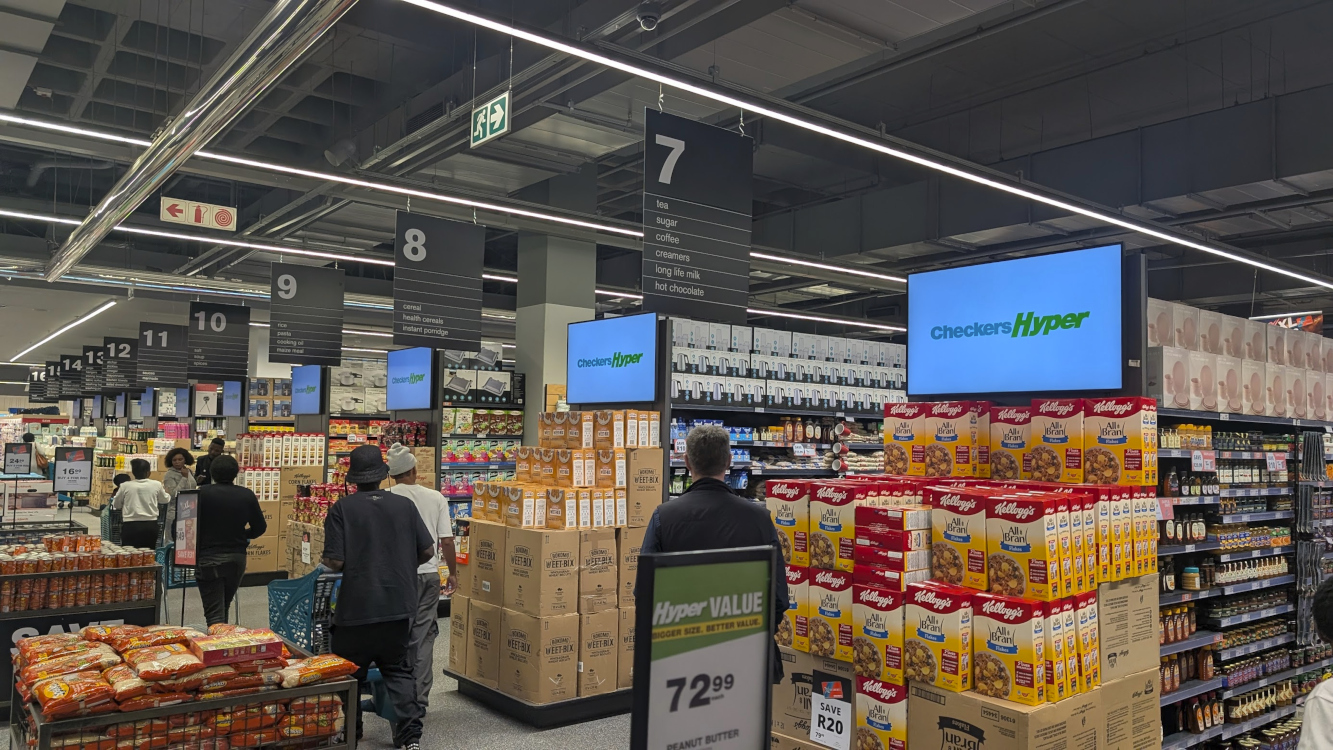
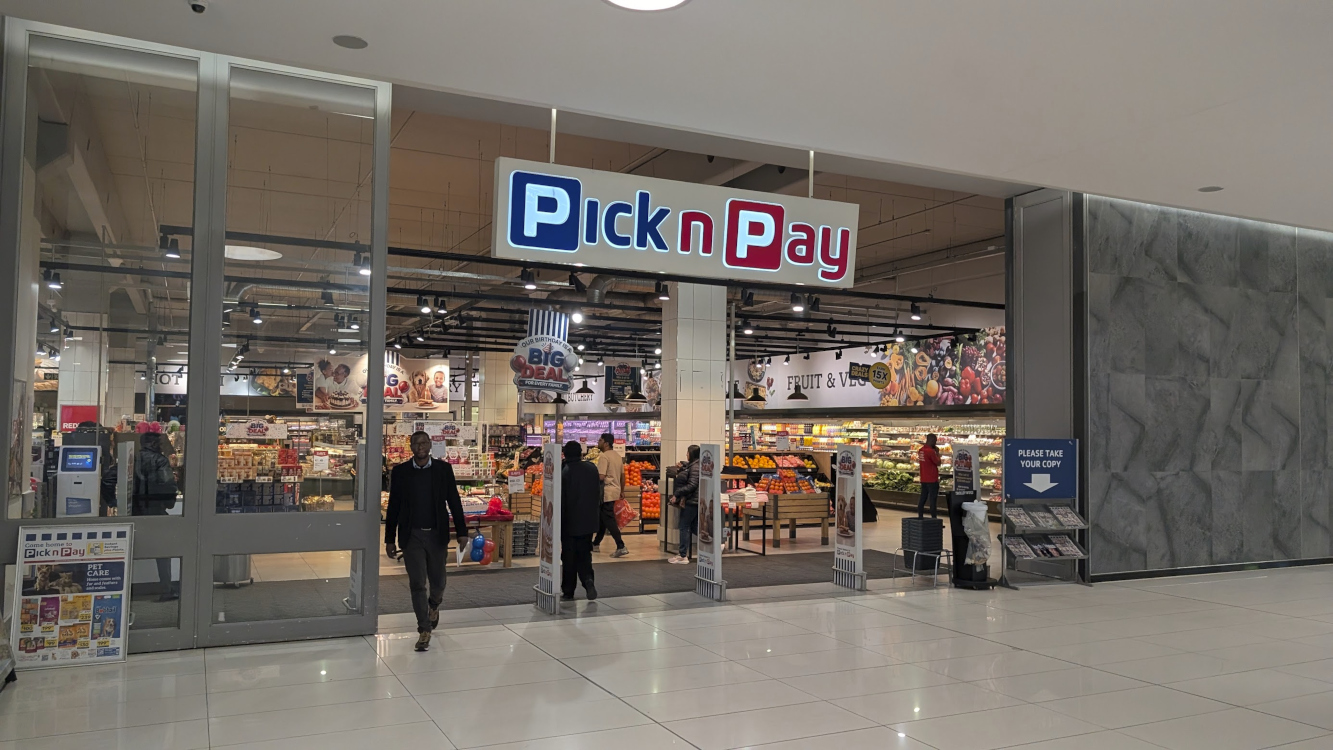
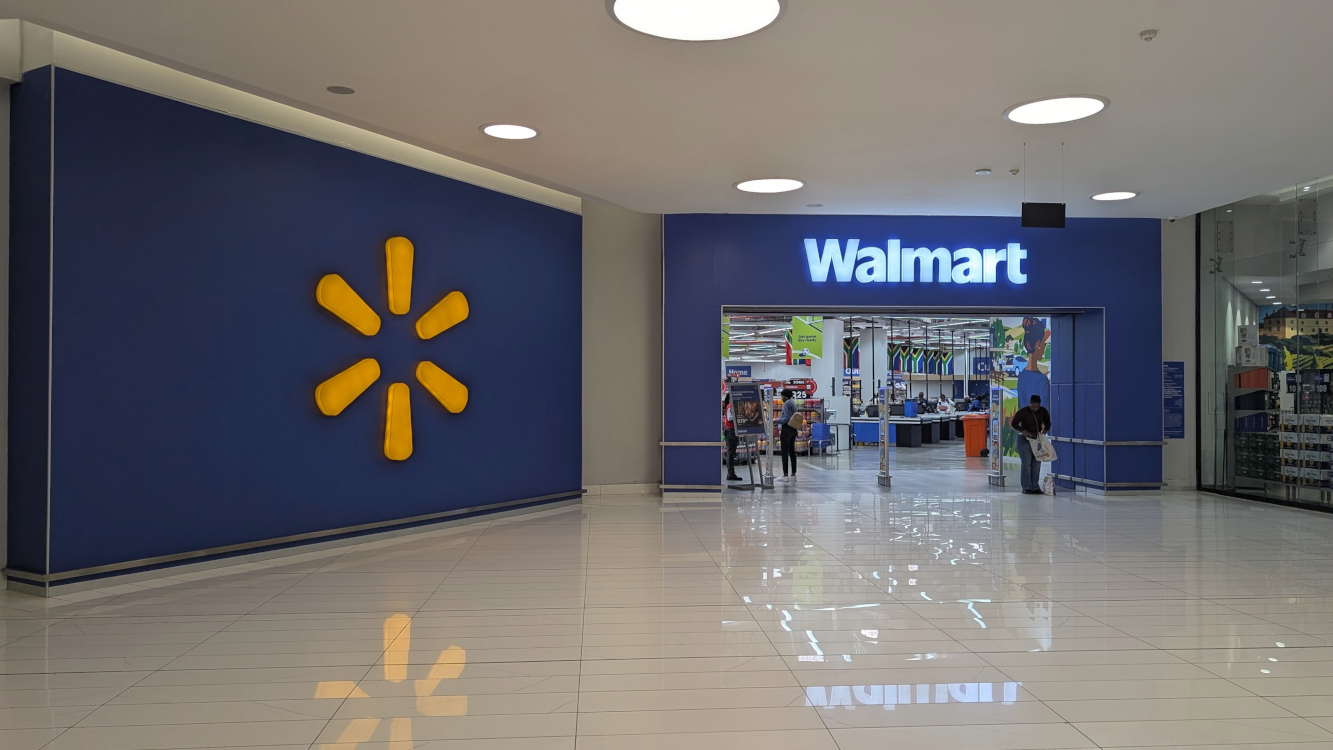
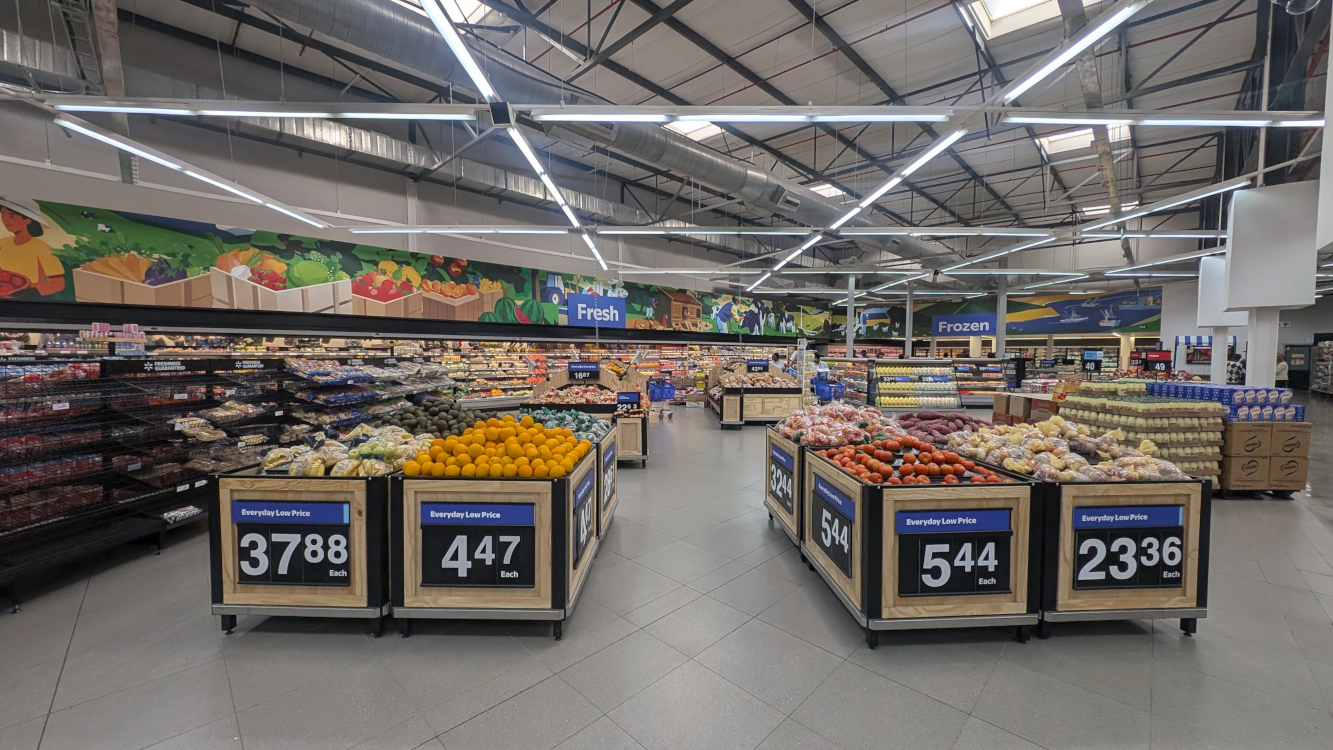
Against this backdrop, South Africa occupies a unique position. It is the only large market in Sub‑Saharan Africa where formal retail clearly dominates the landscape. Large, corporate supermarket chains – led by companies such as Shoprite, Pick n Pay, Spar, Walmart, and Woolworths – have built dense national networks supported by advanced logistics, distribution, and cold chain infrastructure. Together, these players control between 60-80% of the formal food retail market.
This degree of formalisation has enabled a level of standardisation and scale that is rare on the continent. South African retailers can roll out national pricing strategies, deploy sophisticated loyalty programmes, and increasingly integrate digital touchpoints such as digital signage and retail media networks. For international brands and technology providers, the country offers a familiar operating environment – often described as the closest approximation to European or developed market retail within Africa.
Elsewhere on the continent, attempts to replicate the South African model have encountered structural constraints. In countries such as Nigeria or Kenya, modern retail formats – shopping malls, supermarkets, and retail chains – have expanded in urban centres, but penetration remains limited. Infrastructure gaps continue to pose significant challenges. Transport inefficiencies, unreliable electricity supply, and limited cold chain capacity increase the cost of operating formal retail networks. At the same time, consumer behaviour favours the flexibility of informal markets, where goods can be purchased in very small quantities and where relationships between buyer and seller often play a central role.
Digitalisation adds another layer to this dynamic. Across Africa, mobile connectivity and digital payments are expanding rapidly, enabling new forms of commerce. But the impact of digital technologies varies significantly depending on the underlying retail structure. In South Africa, digital innovation builds on an already formalised system. Retailers can integrate screens, data, and media networks across large store footprints, creating new revenue streams and enhancing customer engagement.
For the digital signage industry, these distinctions are particularly relevant. South Africa offers scale, standardisation, and the ability to integrate signage into broader retail media strategies. This makes it the continent’s primary hub for advanced digital signage deployments. Beyond South Africa, however, the fragmented nature of retail and the constraints of infrastructure limit the immediate applicability of large-scale signage networks. Solutions must be adapted to environments where power, connectivity, and store formats are less predictable.
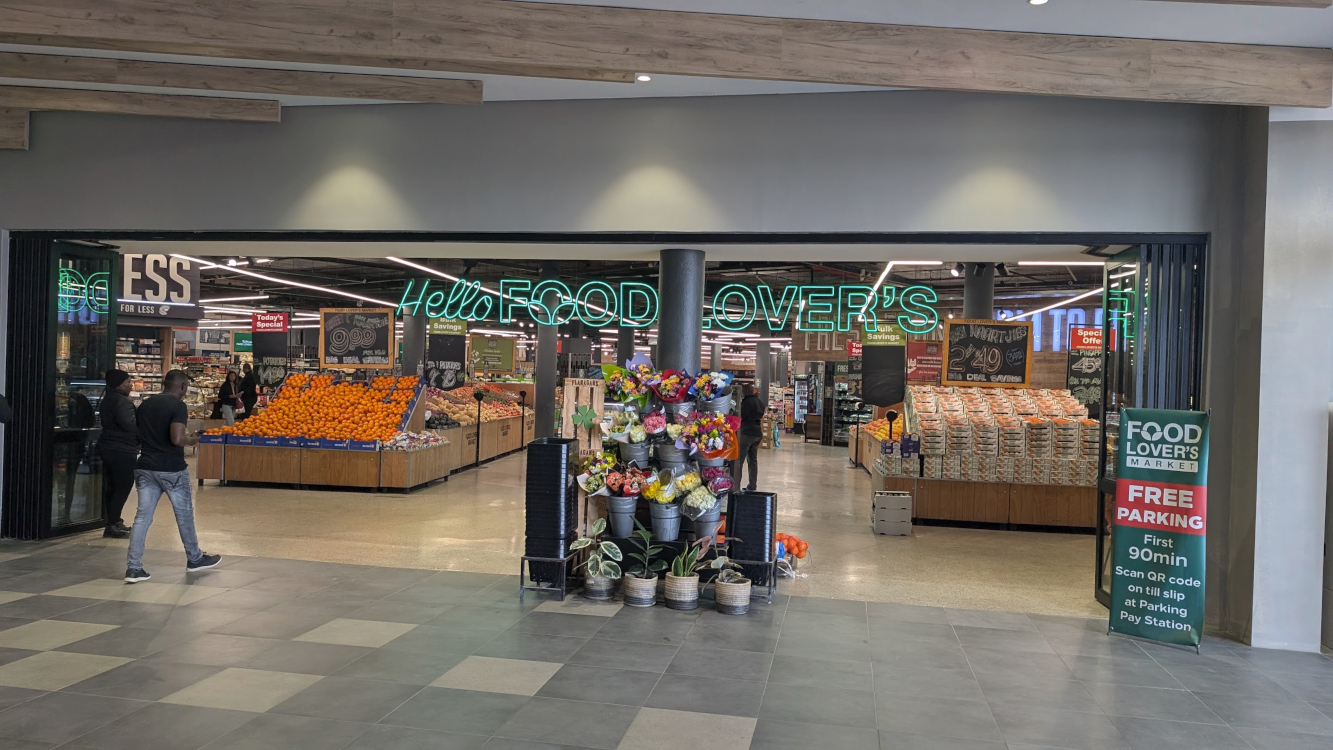
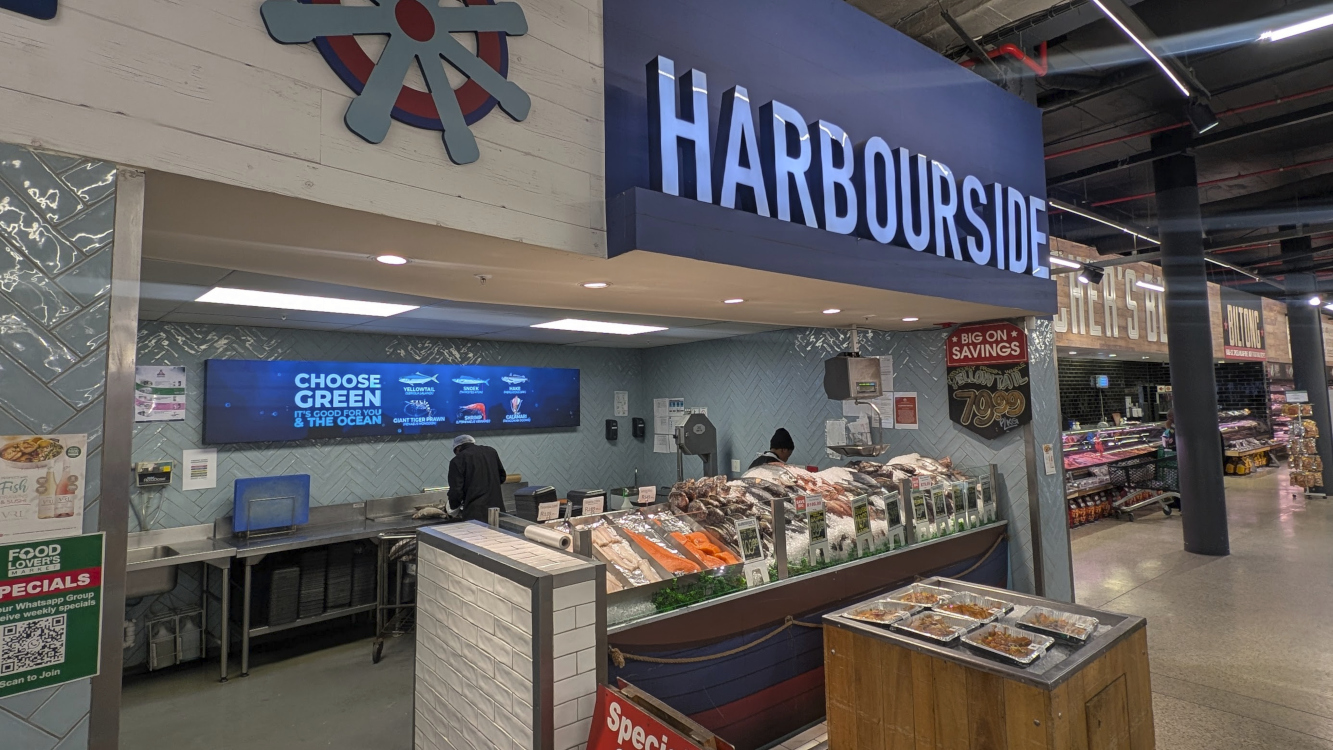
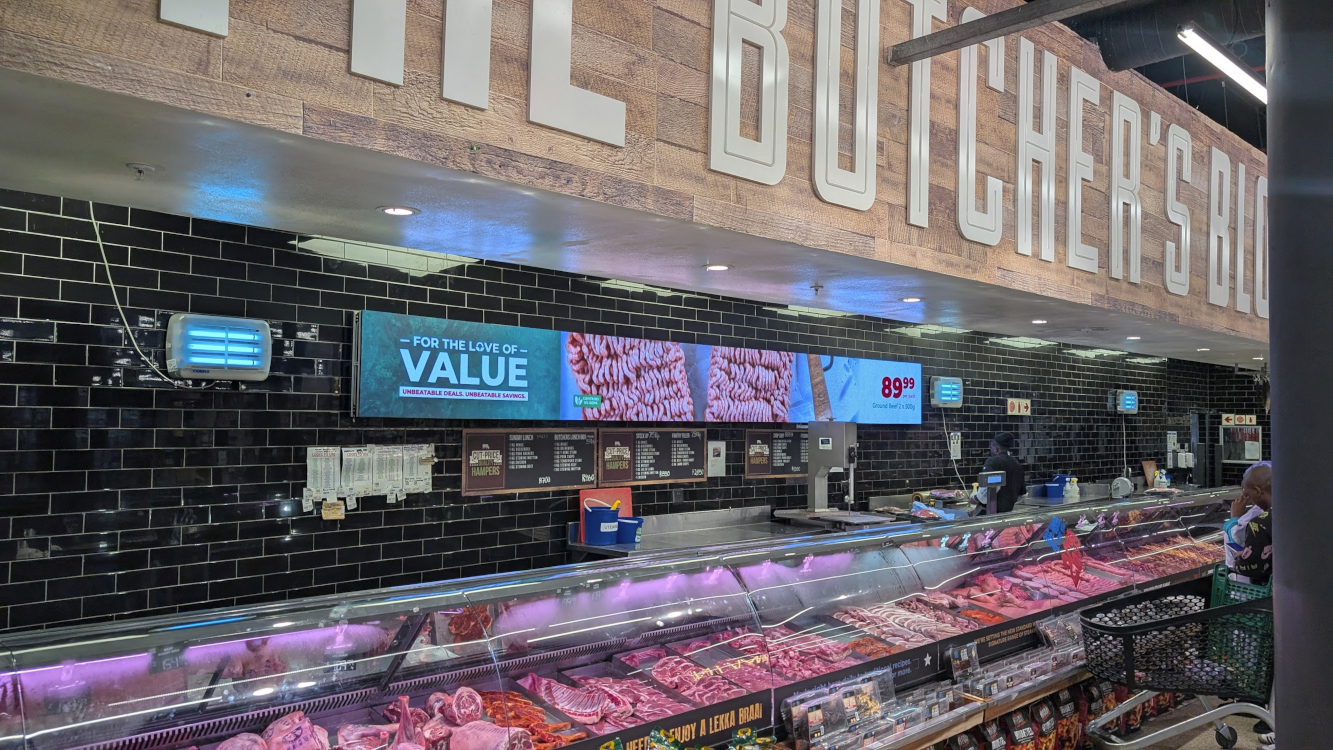
Ultimately, African retail is defined by its diversity. South Africa represents a mature, formalised model that points towards a possible future of consolidation and digital integration. At the same time, the informal sector across the rest of the continent demonstrates the enduring importance of flexibility, proximity, and local context.
- Hospitality Displays: Samsung’s The Frame Hospitality TV Now Available In The US
- India: Kramer Creates Flexible Meeting Spaces for Sailpoint
- US$18 Million Cost-Cutting Plan: Daktronics to Close Ireland Factory
- Sphere Abu Dhabi: Blue Rhine Wins Exosphere Installation Contract
- Joan Interview: From E-Paper Pioneer to Workplace Platform