
India is one of the world's most dynamic Out-of-Home markets. Rapid urbanization, growing mobility, and a thriving consumer economy have turned billboards and digital screens into powerful advertising channels. Yet despite impressive growth figures, the industry continues to struggle with a fundamental issue: trust.
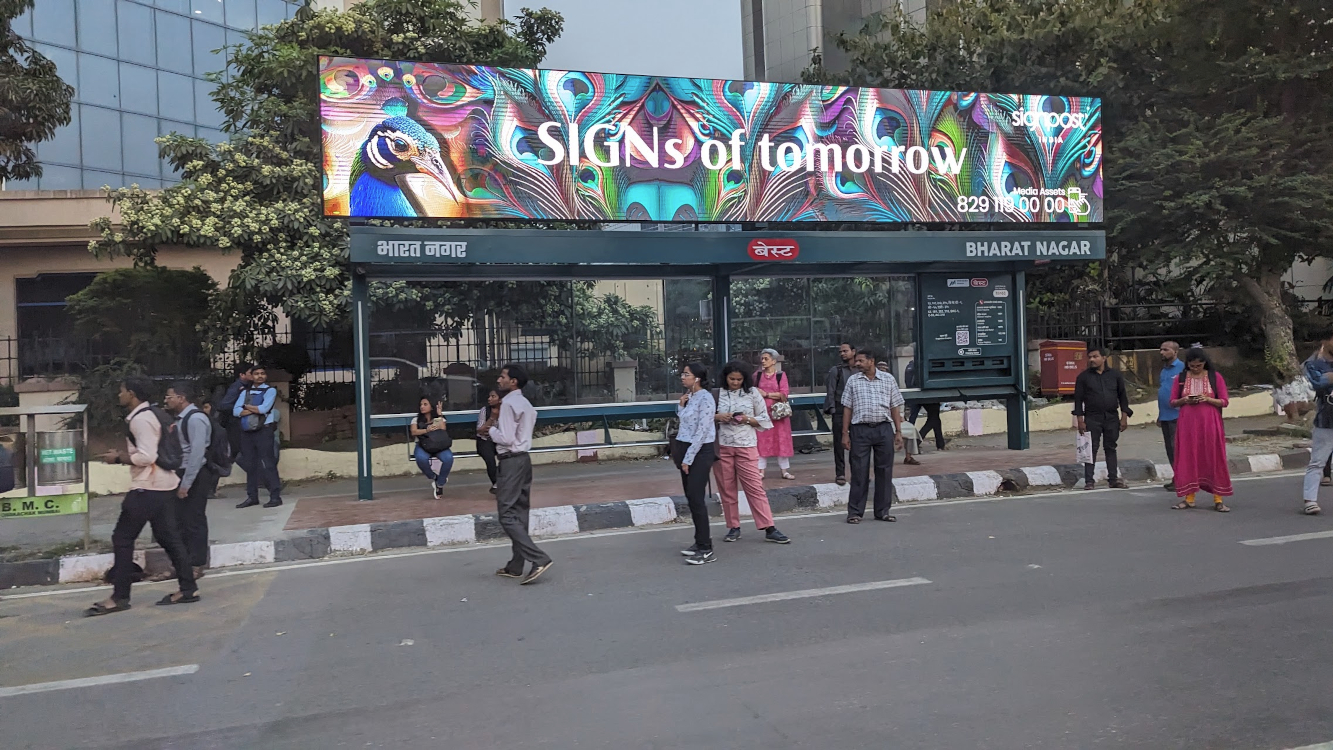
India’s OoH Trust Deficit: Five Challenges Holding Back the Market
While the sector is becoming increasingly professional, many advertisers still face recurring problems around transparency, accountability, and measurement. The absence of widely adopted standards and independent verification remains a significant obstacle to sustainable growth.
Leading players such as Times OOH and JCDecaux have built strong reputations for professionalism and reliability, but concerns around transparency and accountability persist across parts of the broader market. Only very few OoH media companies like mall signage specialist Skycom have rolled out network wide audience measurement like Quividi for proof of play.
Here are five of the most pressing challenges facing India’s OoH industry today.
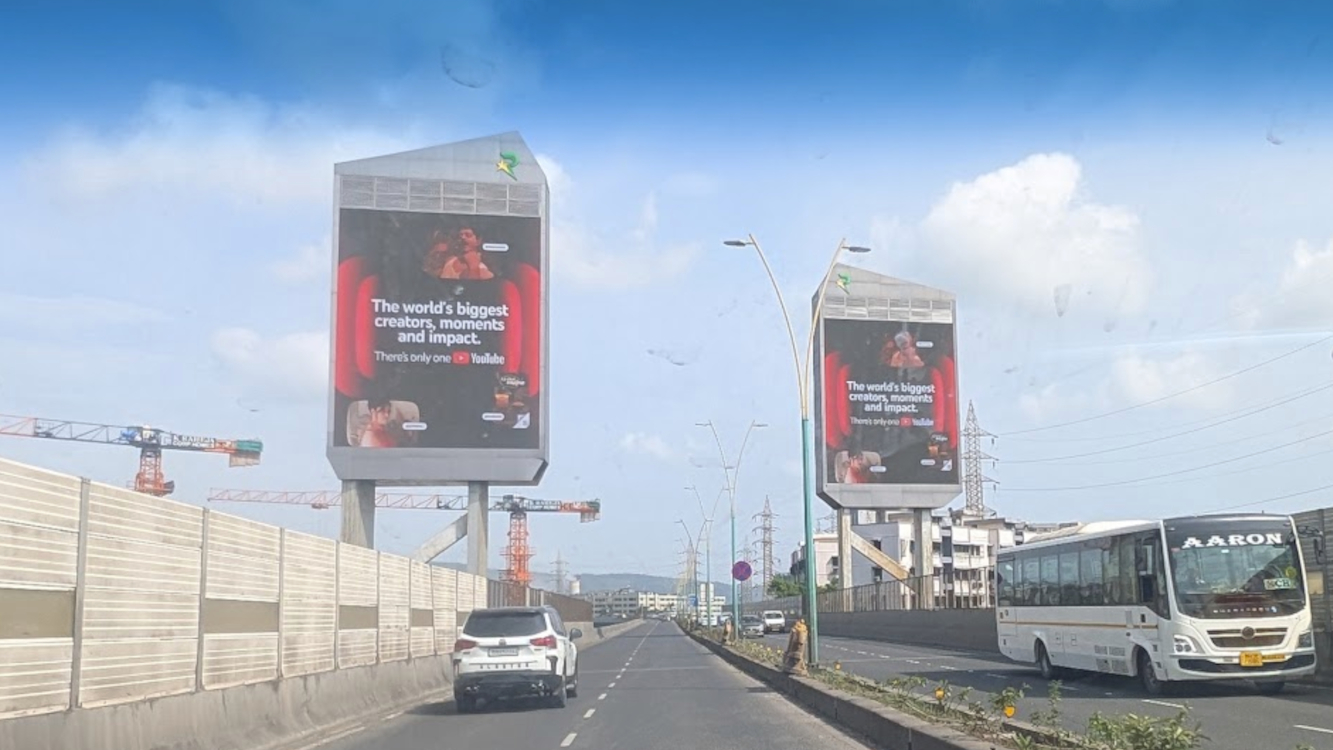
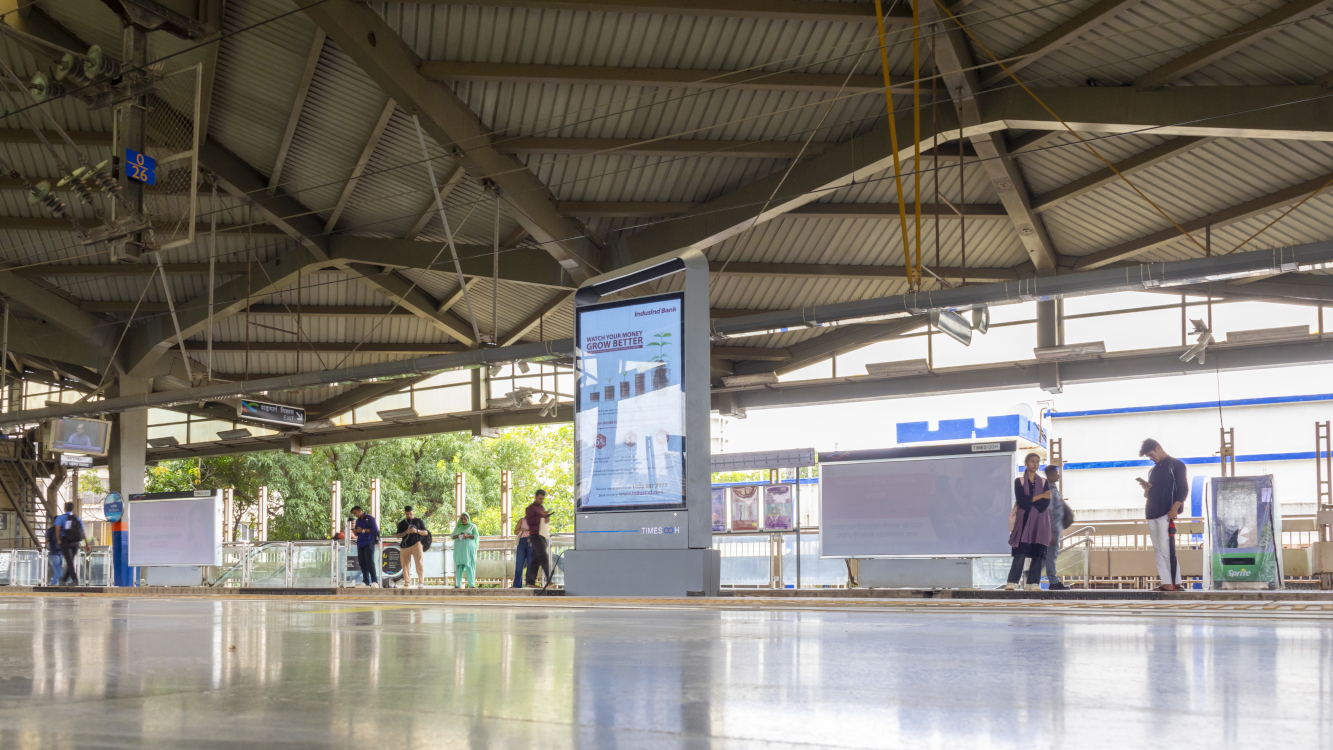

1. Inflated Traffic Data
Audience measurement remains one of the weakest links in the Indian OoH ecosystem. Some media owners continue to present exaggerated traffic figures to make billboard locations appear more valuable than they actually are.
Without independent audience measurement and transparent reporting standards, advertisers often struggle to verify whether the promised reach reflects reality. The result is distorted media planning, unrealistic campaign expectations, and reduced confidence in the channel.
2. Delayed and Shortened Campaign Installations
Execution remains a recurring concern. Advertisements are sometimes installed later than agreed, causing campaigns to miss critical launch windows.
Equally problematic is the practice of removing creative assets before the contracted campaign period has ended, often without informing the client. Every lost day directly impacts campaign effectiveness and reduces the value delivered to advertisers.
3. Multiple Clients on a Single Billboard
In highly competitive markets, some operators maximize revenue by selling the same advertising structure to multiple clients simultaneously.
What was originally sold as an exclusive billboard suddenly becomes a cluttered communication platform shared by several brands. For advertisers, this significantly reduces visibility, weakens brand impact, and diminishes the premium value they expected to receive.
4. Poor Placement and Location Substitution
The value of outdoor advertising depends heavily on location quality. Yet advertisers occasionally discover that their campaigns have been installed at positions that are less visible or less desirable than originally promised.
Whether it is a different angle, reduced traffic exposure, visual obstruction, or an entirely substituted location, the outcome is the same: lower attention and reduced campaign performance.
Transparent inventory management and independent verification are critical to eliminating such practices.
5. Fake or Manipulated Proof-of-Posting Reports
Proof-of-posting documentation is intended to give advertisers confidence that campaigns have been installed correctly. However, manipulated images, recycled photographs, and stock images continue to undermine that objective.
AI editing tools have made it easier than ever to create convincing but misleading documentation. In some cases, advertisers receive photographic evidence of installations that either never happened or were displayed only temporarily.
As digital verification technologies become more accessible, the industry must move beyond trust-based reporting and embrace independently verifiable proof-of-performance.
The Path Forward: Standards, Transparency, and Independent Audits
India’s OoH market has enormous potential. The country’s scale, urban growth, and increasing investment in digital out-of-home create significant opportunities for media owners and advertisers alike.
But growth alone is not enough. A mature advertising medium requires transparency, accountability, and trusted measurement frameworks. Independent audience data, third-party campaign verification, standardized reporting, and professional auditing practices are no longer optional. They are prerequisites for long-term credibility.
Ultimately, the biggest challenge for India’s OoH industry is not technology, inventory, or demand. It is trust. And trust, once established through standards and independent verification, could become the sector’s most valuable asset.
- DooH Advertising: Screenverse Adds Western Union’s 2,600-Screen Network
- Smart Offices: Humly and Comeen Integrate Room Displays and Workplace Management
- DCLP: Infinitus Launches New Outdoor Display
- International Distribution: One Equity Partners Acquires Nexora
- Industry Awards: DPAA Names 2026 Leading Women In Digital Media