
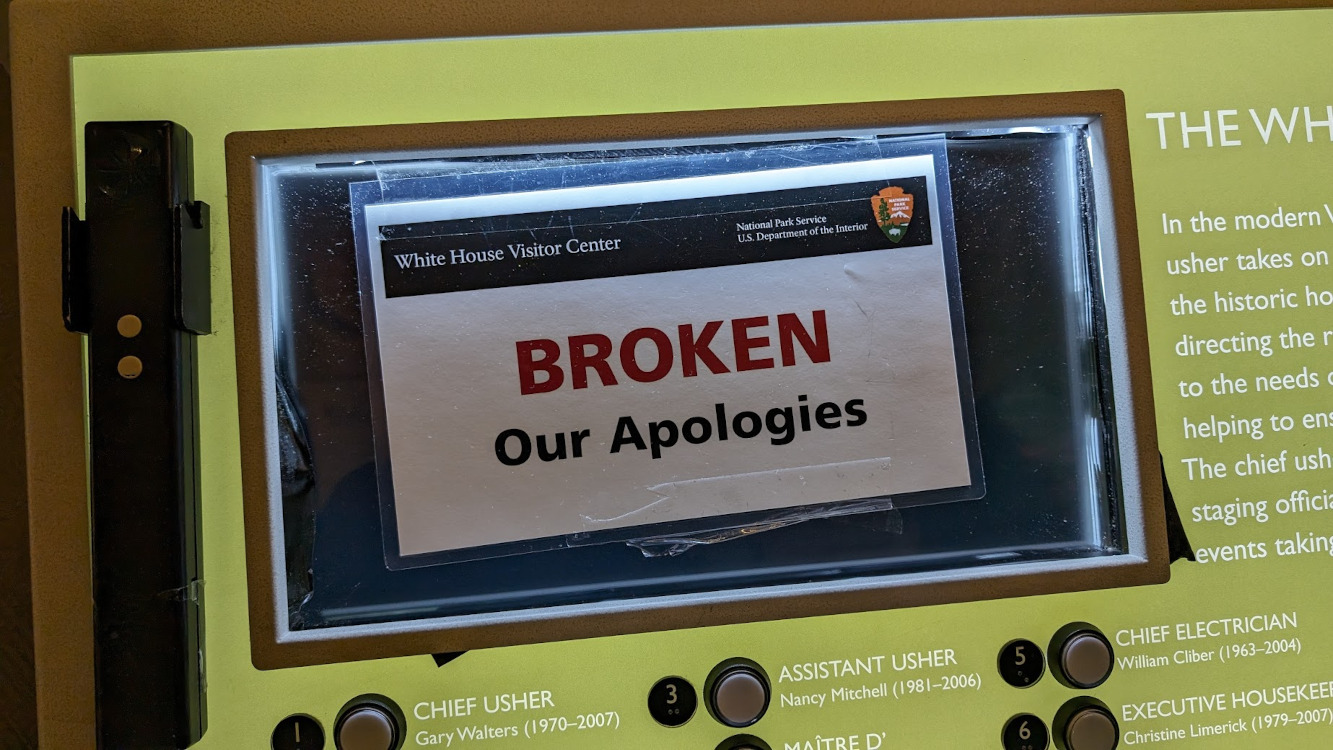
The recent wave of digital signage integrator failures has left network operators under pressure. In several cases, screens went dark overnight as backend services were switched off. While some networks have been taken over by IT integrators – often accompanied by hardware replacement - many existing installations don’t actually require new screens or players. What’s missing is a device management layer built specifically for digital signage.
Market Shakeout: Why Generic MDM Falls Short in Digital Signage Recovery
Many affected networks are complex. Some rely on proprietary hardware ecosystems that are no longer supported, while others have evolved into fragmented fleets with mixed manufacturers, operating systems, and generations of devices. The initial instinct is often to standardise by replacing everything. But recent recovery projects, particularly in North America, show that this “rip and replace” approach is increasingly obsolete.
Hardware isn’t the core problem
Replacing installed hardware is costly – and frequently unnecessary. Displays and media players represent a significant share of total lifecycle investment, and much of this infrastructure remains fully functional even after years in operation.
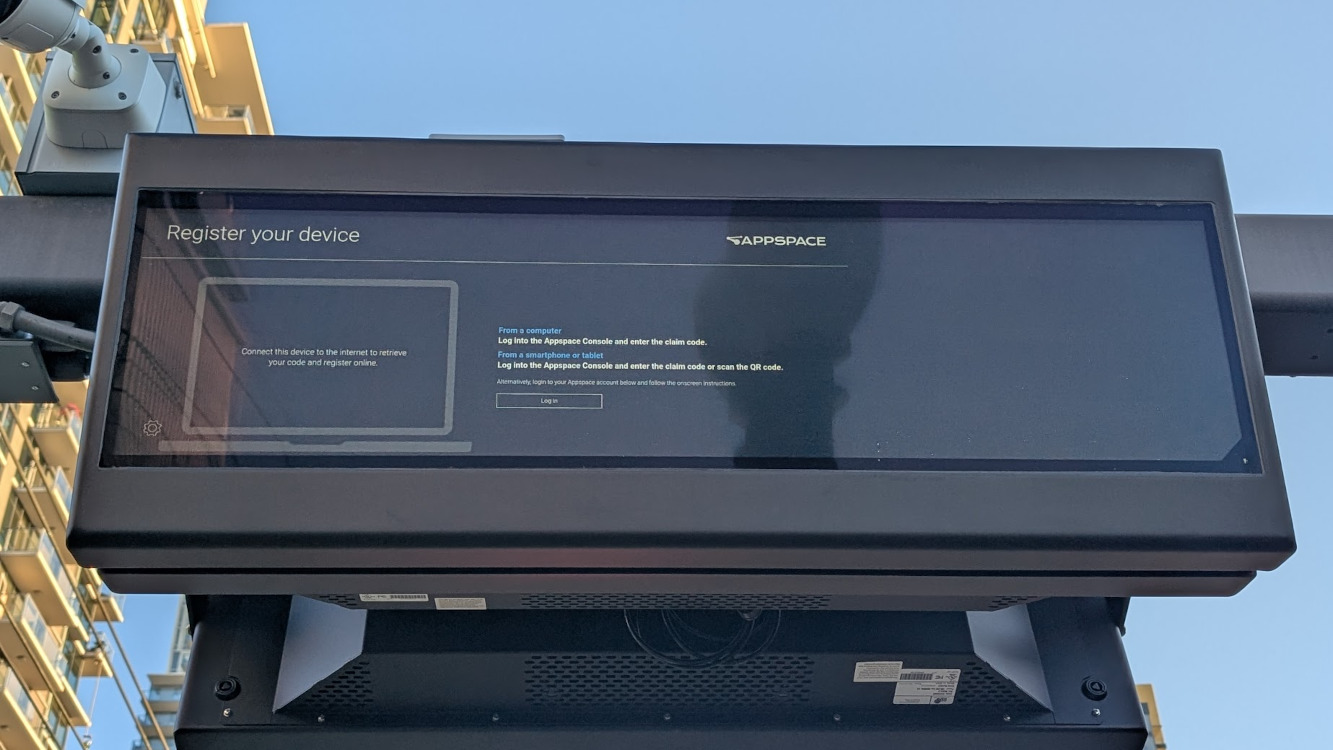
The real issue is the missing orchestration layer. Without software services, content delivery stops. Instead of replacing endpoints, operators are increasingly deploying signage-specific device management platforms to regain control. These solutions take over existing hardware fleets remotely, restoring operations without factory resets or on-site intervention.
Why IT MDM tools fall short
At first glance, enterprise MDM platforms such as Esper, Teamviewer, or Hexnode seem like a logical fit. They offer remote access, device enrolment, and health monitoring – core capabilities for distributed IT environments.
But digital signage is not just endpoint management. It is a content delivery discipline with strict requirements around proof of performance.
While MDM tools can confirm that devices are online, they cannot verify what is actually displayed. Signage operators need proof-of-play: screenshots, playback logs, and audit trails that validate campaign delivery. This gap is critical, as network performance is measured by on-screen output, not device status.
The same mismatch applies to dashboards. IT tools focus on compliance and connectivity, while signage operators need a unified view answering a different question: Is the right content playing on every screen? This disconnect creates operational blind spots and increases support overhead.
Hardware diversity further complicates matters. A large share of deployments relies on SoC platforms such as Samsung Tizen, LG WebOS, or dedicated signage players like Brightsign. Generic MDM tools often lack deep support for these environments – especially when it comes to display-level control, including power management, input switching, brightness, or synchronised playback.
A missing category
Digital signage requires a distinct category of solutions: purpose-built device management platforms. Providers such as SignageOS or vendor-native tools like Samsung VXT RM focus specifically on heterogeneous signage environments. Their strength lies in adopting existing fleets and restoring content delivery quickly.
However, many operators remain unaware that such solutions exist. As a result, unnecessary hardware replacement is often seen as the only viable option.
Built for scale and flexibility
Unlike generic MDM tools, signage-focused platforms include runtimes and SDKs that enable a “write once, run anywhere” approach. Applications can be developed once and deployed across different hardware ecosystems, abstracting platform differences and ensuring consistent playback.
This flexibility is particularly valuable in takeover scenarios, where inherited networks often consist of mixed devices. Additional capabilities – offline resilience, API-driven control, and synchronised updates – reflect the operational realities of signage networks and go well beyond traditional IT management.
Continuity comes first
Keeping screens live is the immediate priority and must happen within days. Strategic decisions around CMS platforms or hardware renewal, by contrast, follow a longer timeline. In this context, purpose-built device management platforms play a critical role – bridging the gap between disruption and transformation, without unnecessary investment in new hardware.
- 55” Signage Display: Amazon Goes All-In on Digital Signage
- Qompose: Navori Launches AI-First Unified CMS Platform
- Integrated Communications: Uniguest Launches Community Hub For Senior Living Communities
- Virtual Production: Brompton Powers New Virtual Production Studio In Germany
- Research: Office DooH Screens Generate 3.4 Times More Attention