
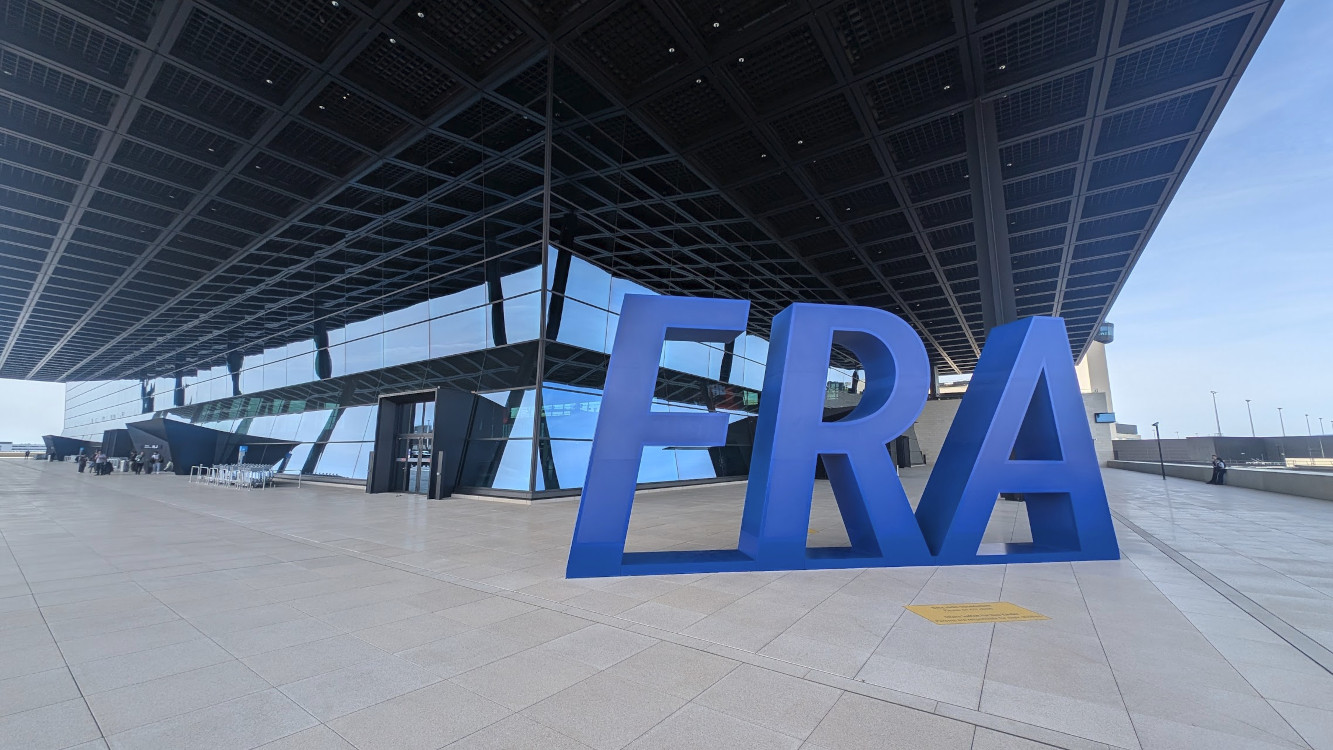
Frankfurt | Frankfurt Airport’s new Terminal 3 is an architectural statement - bold, airy, and unmistakably designed for the next generation of global air travel. Yet just days after its soft opening, an invidis visit revealed a striking contrast inside the terminal: while the building looks to the future, its digital signage tells a different story.
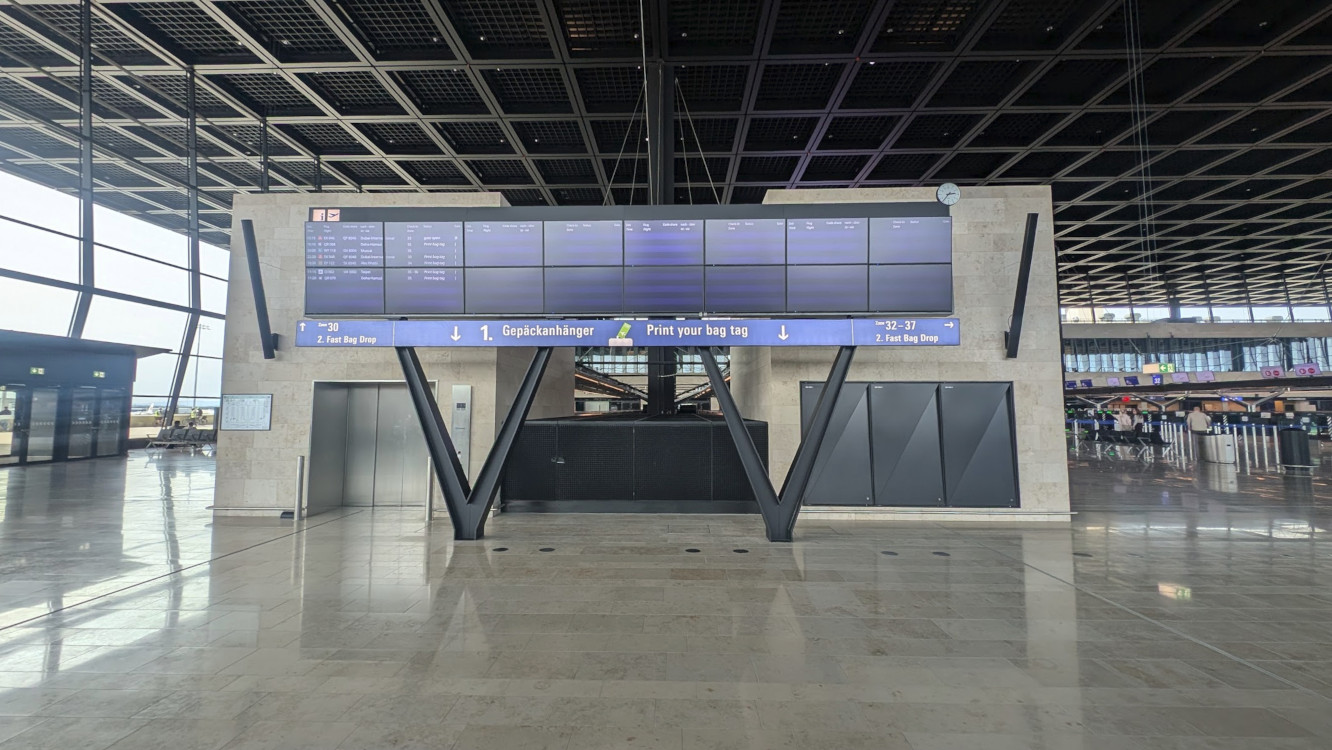
FRA Terminal 3: A Blast from the Past
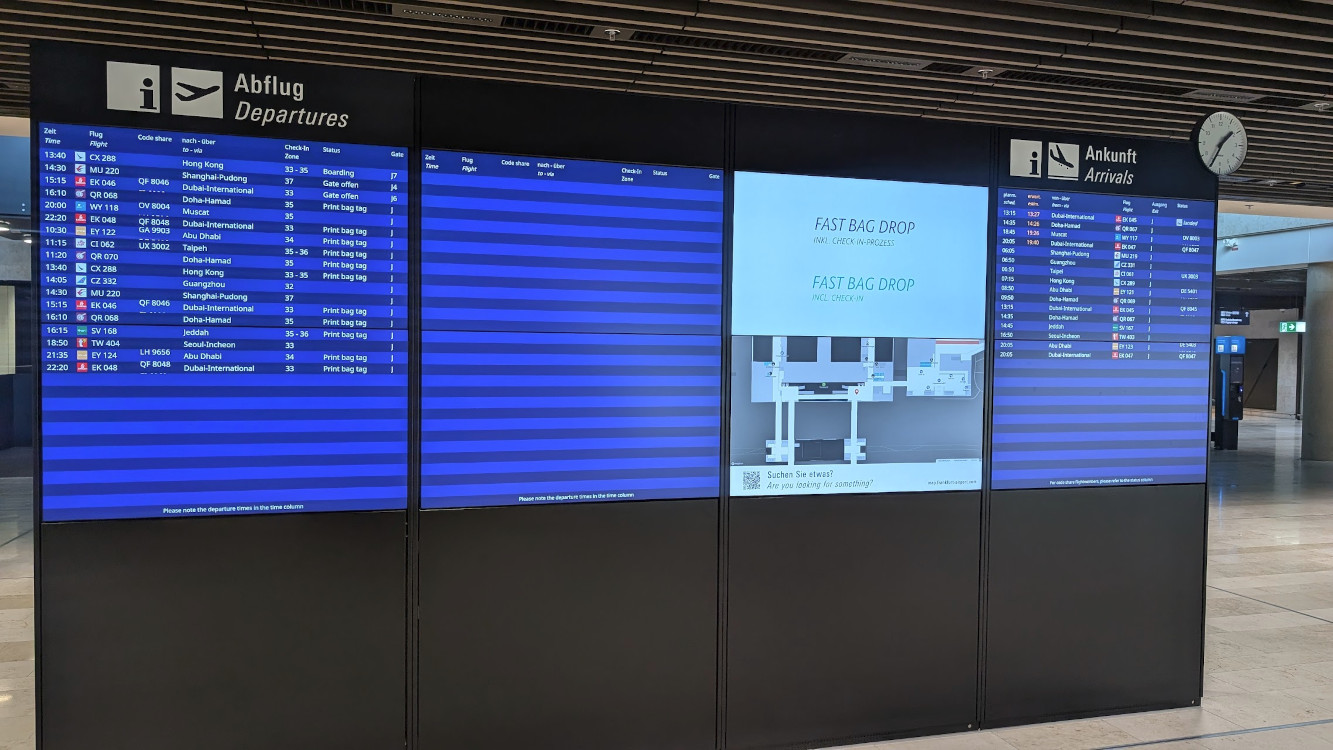
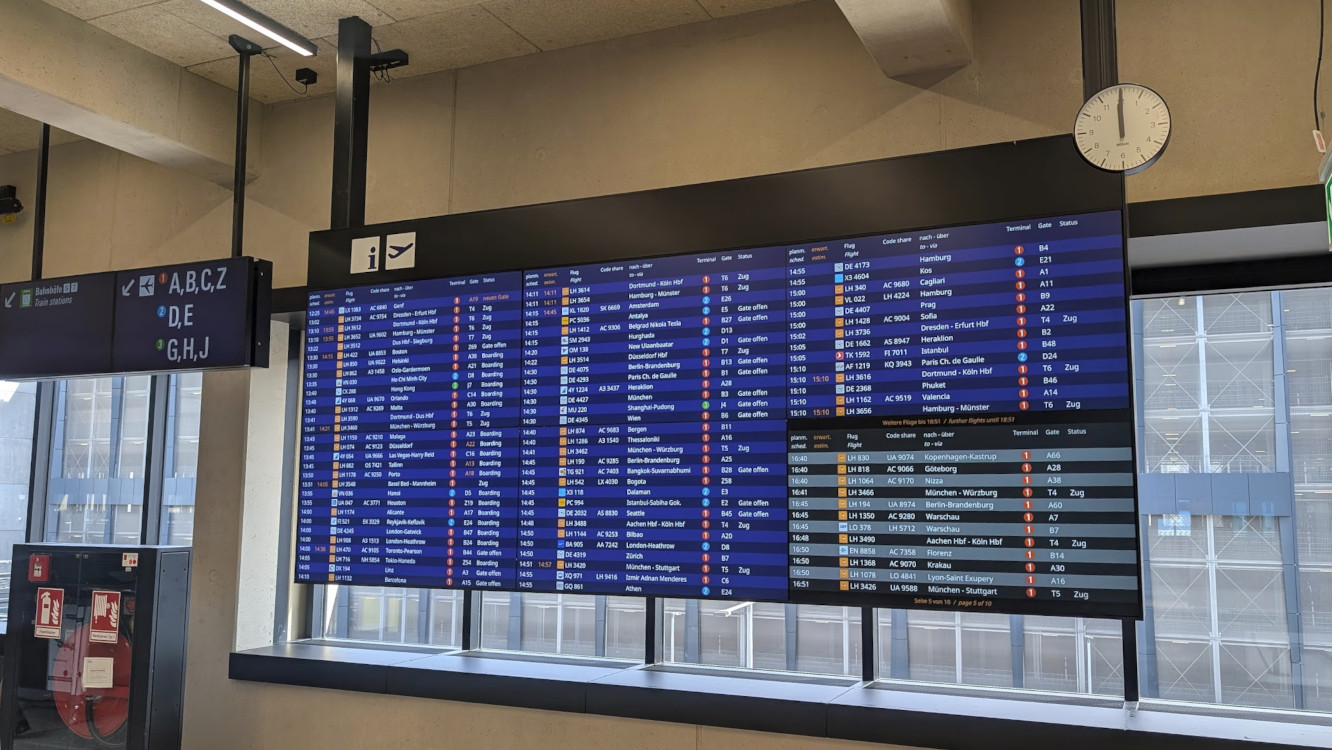
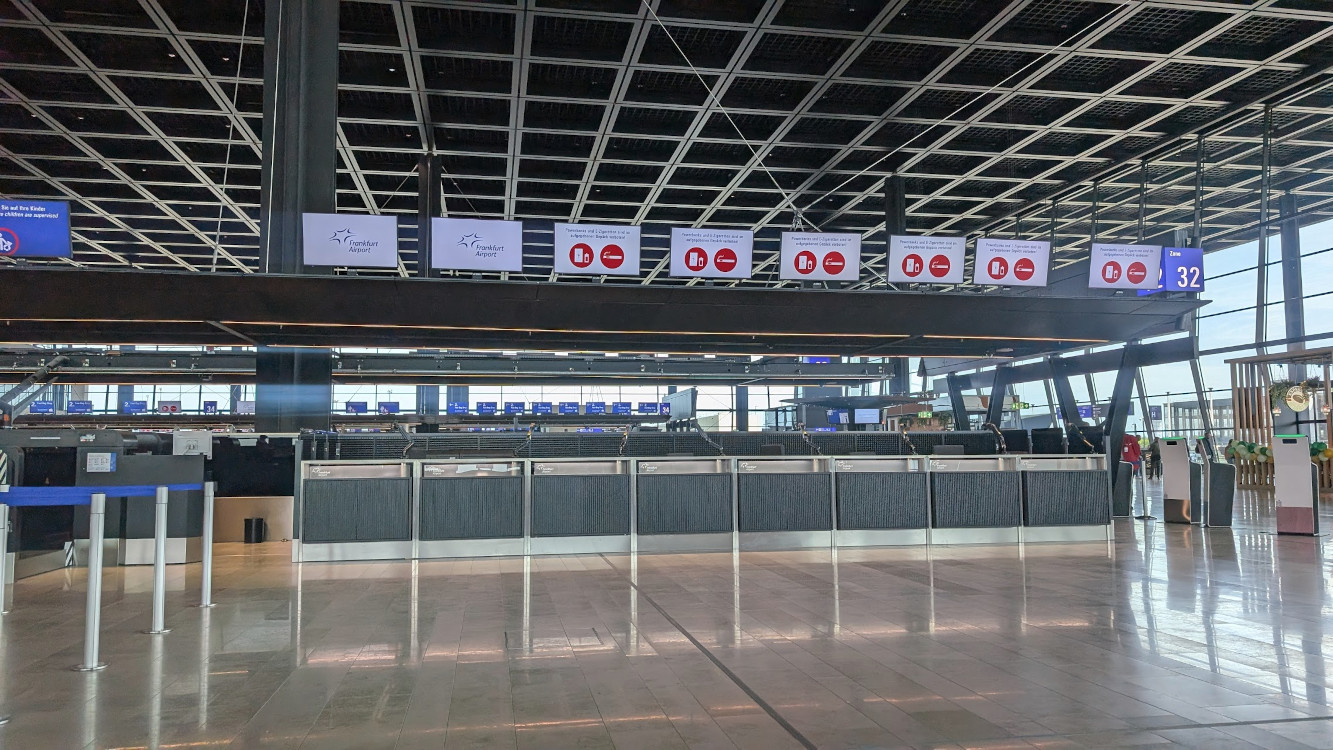
The check-in hall is unmistakably NEC territory. More than 100 classic FIDS displays line the terminal, complemented by numerous LCD video walls announcing departures and check-in counters. For seasoned digital signage professionals, the installation feels like a time capsule – solid, restrained, and meticulously executed.
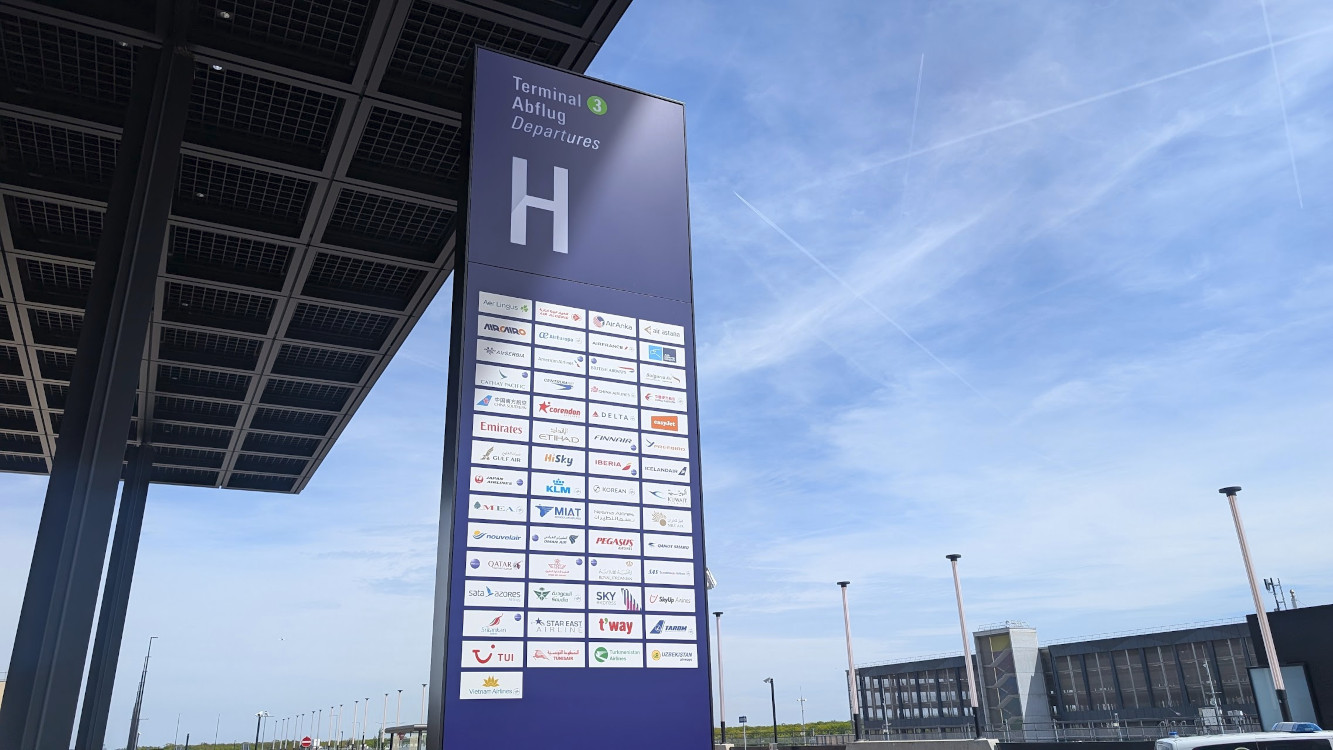
Built to Last
Not long ago, professional displays were designed like industrial machinery: metal housings, integrated handles, and an expectation of a decade-long lifespan. They shipped without SoCs, but they endured. Today’s displays follow consumer TV logic – lighter, cheaper, largely plastic, with built-in SoCs that turn into security liabilities after seven or eight years. Even Sharp, which absorbed NEC Display Solutions, ultimately followed this industry trend.
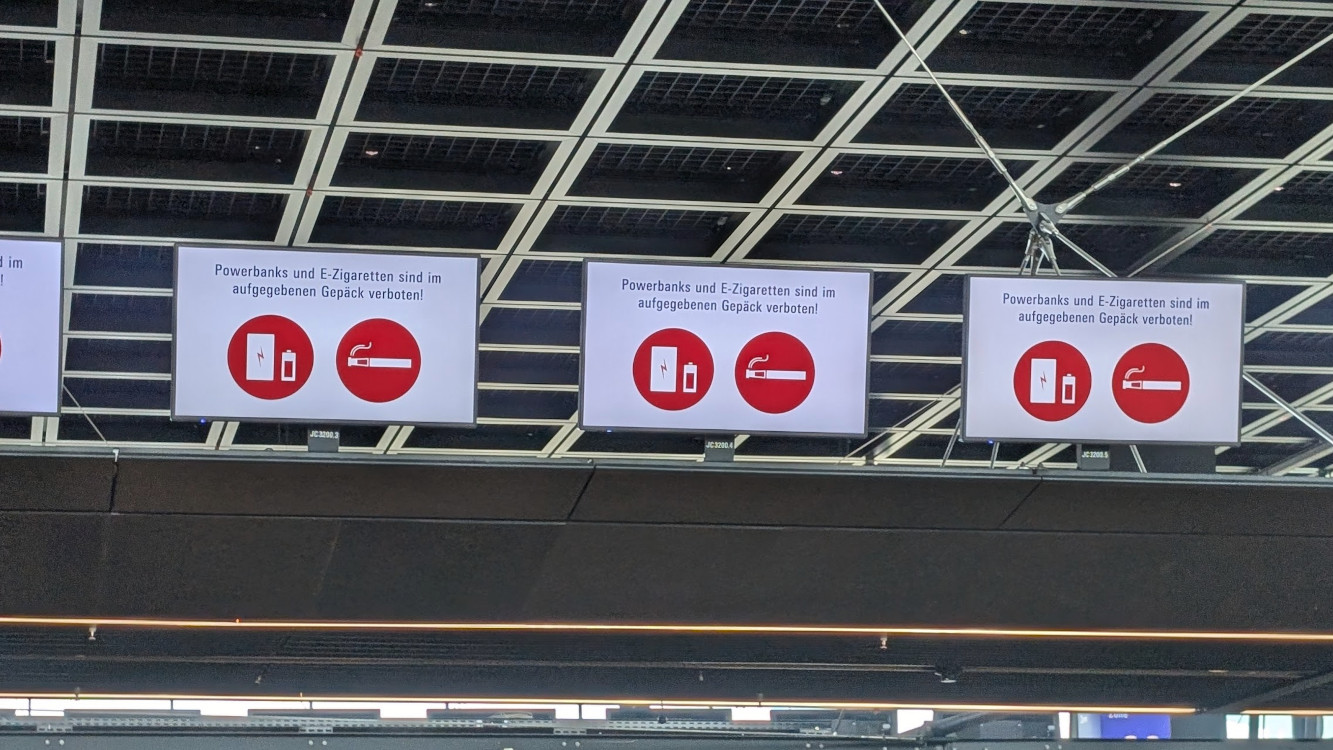
Terminal 3 feels like a reminder of what has been lost – and what was gained. The LCD video wall based flight information boards are elegantly integrated, discreetly black, perfectly calibrated, and focused on information, not spectacle. Small, almost floating 43-inch displays above the counters reinforce a design language that puts clarity before brightness.
LCD in an LED World
The 16-tile LCD video walls may well be among the last of their kind. Today, such installations would almost automatically be specified as LED – brighter, cheaper at scale, and with fewer reflections. So why LCD at FRA?
The answer lies in timing. Construction began in 2015, with digital signage concepts designed and tendered years before the pandemic delayed the project from its original 2022 opening to now. Fraport made a conscious decision not to repeat Berlin’s airport mistakes by changing terminal infrastructure mid-build. Proven LCD was the safe – and ultimately elegant – choice.
Berlin Airport’s opening was delayed by many years, so all FIDS screens (also NEC) needed to be replaced after sitting six years idle in the terminal, before the first flight took off (invidis report).
Controlled Wow Moments
The big visual statements are deliberately left elsewhere. Fraport’s in-house media arm, Media Frankfurt, delivers the “wow factor” through iconic LED installations in the check-in hall and airside Plaza. The separation is intentional: FIDS remains calm, precise, and functional; experience-driven LED belongs to marketing and storytelling.
Terminal 3 is a rare showcase of high-art LCD integration. A blast from the past – perhaps – but one executed with immaculate quality.
- New Leadership: Econocom Doubles Down on ProAV
- Projection Mapping: Panasonic brings Hive Players to Prague
- Tysons Corner Center: SNA Displays Adds Outdoor LED Screen
- Proximity Technology: Lisnr Brings Mobile Connection To Samsung VXT
- Retail Architecture: GSTV Appoints Claire Wyatt as New Chief Growth Officer