
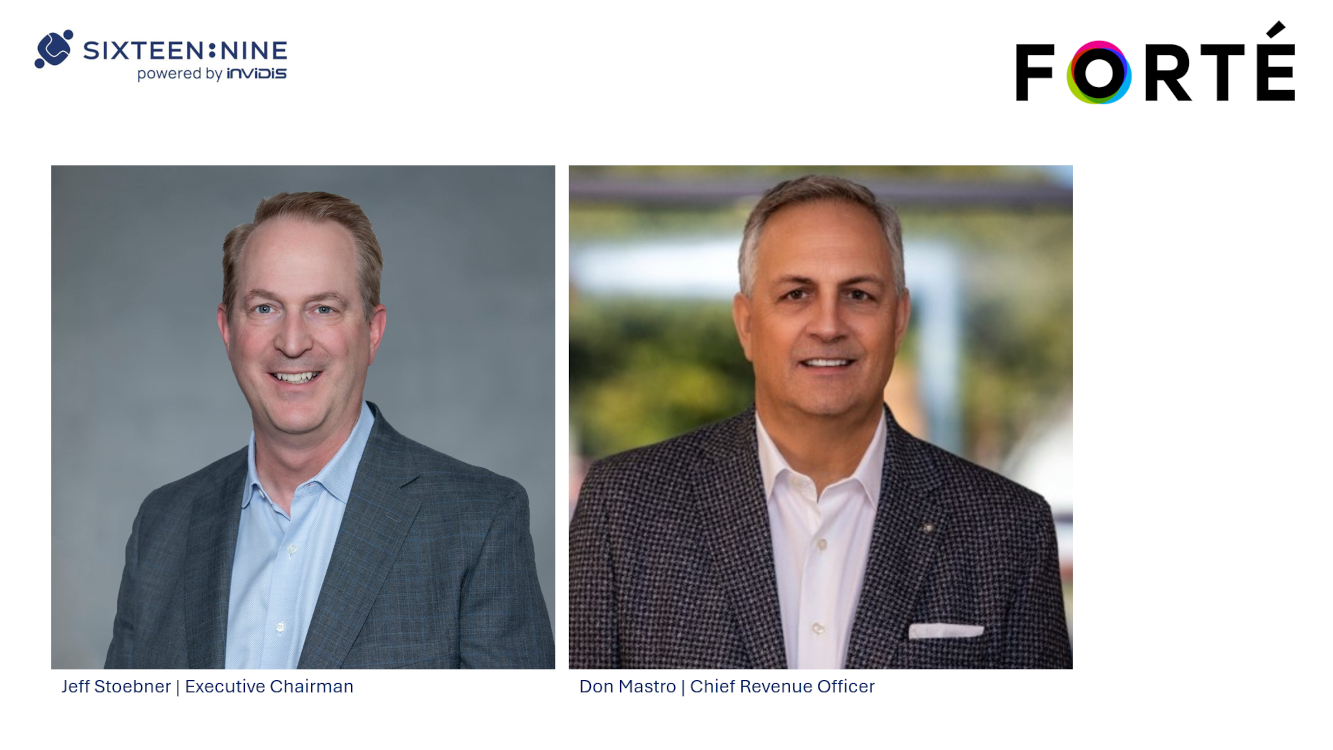
Mumbai | Fresh from its landmark merger with Hong Kong-based Vega, Forte is pursuing an ambitious strategy to become one of the world's leading global ProAV integrators. In an exclusive invidis interview at Infocomm India 2026, CEO Jeff Stoebner and CRO Don Mastro explain why APAC was the missing piece, how they plan to expand further into Latin America and MENA, and why specialised AV expertise remains a powerful advantage against global IT giants.
Forte-Vega: The Making of a Global Integrator
After completing its merger with Hong Kong-based Vega, US integrator Forte is accelerating its transformation into what it describes as one of the world’s few truly global ProAV integration companies. Speaking exclusively to invidis on the sidelines of InfoComm India 2026, Forte CEO Jeff Stoebner and Chief Revenue Officer Don Mastro outlined an ambitious growth strategy that extends far beyond the company’s North American roots.
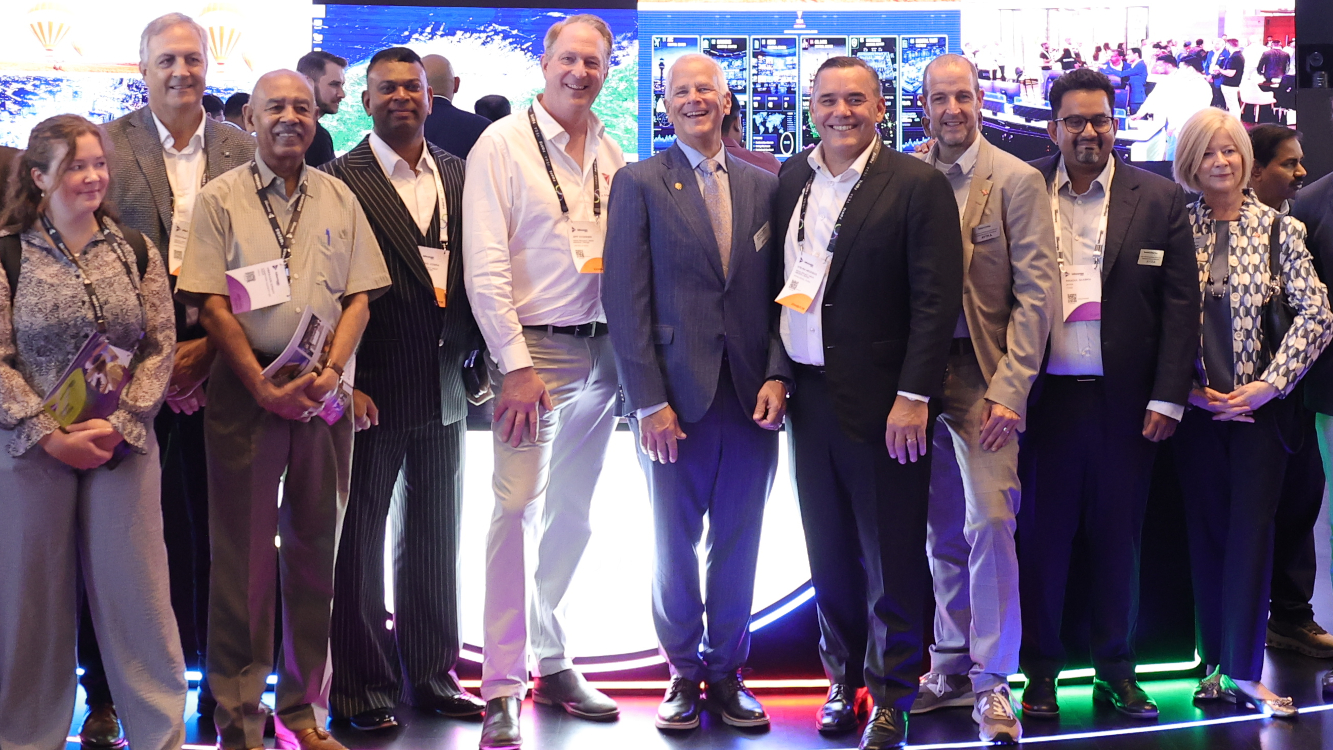
The merger with Vega creates a global organisation poised to generate more than USD 1 billion in annual revenue in 2027, employing around 2,300 staff worldwide, and operating across 22 countries. At Infocomm India in Mumbai, the newly combined Forte-Vega organisation was among the event’s most prominent exhibitors, underlining its ambitions to become a leading global player in enterprise audiovisual integration.
Closing the APAC Gap
For Forte, headquartered in Minneapolis and structured as an employee-owned company, the acquisition of Vega was about much more than scale.
“With the acquisition of Vega, we managed to close our most complex gap, the highly diverse APAC markets,” said Stoebner. “With 16 country locations across Asia-Pacific, Vega is one of the very few truly pan-Asian ProAV organisations.”
The deal significantly expands Forte’s geographic reach and brings immediate access to markets that would have taken years to develop organically. According to the company executives, Forte now has professional teams operating in 22 countries, delivering integrated meeting room technologies, digital workplace solutions, mission-critical environments, managed services, and other audiovisual solutions across more than 70 major markets worldwide.
“Today we are one of very few truly global ProAV integrators able to serve our clients in the world’s most important markets,” added Stoebner.
Beyond Service Hubs
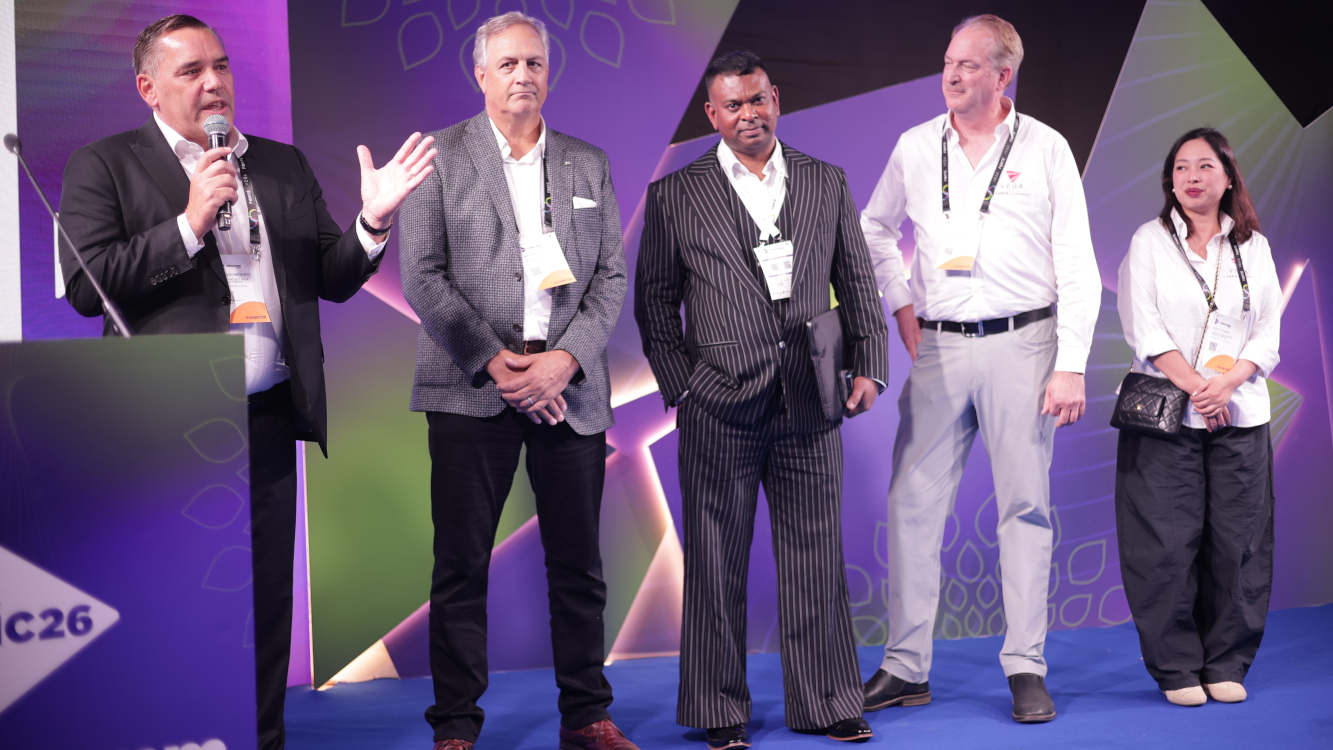
While Forte’s customer base remains heavily weighted toward large US enterprise organisations, Forte CEO Jeff Stoebner and CRO Don Mastro emphasised that their international presence is not merely a network of support offices.
Local teams increasingly win and manage regional business independently, while global customers continue to shift technology decision-making away from traditional US headquarters structures.
“The ProAV strategy for one of our major US banking customers is coordinated from its subsidiary in Chile,” explained Stoebner. “Being close to enterprise decision-makers has always mattered in this industry. We’re simply following our customers wherever their competence centres and leadership teams are located.”
The approach reflects a broader trend among multinational enterprises, where workplace technology and collaboration strategies are increasingly managed through centres of excellence that are not necessarily located at corporate headquarters.
Right after our interview at Infocomm India, Forte announced a leadership transition. CEO Jeff Stoebner will hand over the role of Global CEO to CFO Christopher Mounts and assume the position of Executive Chairman effective October 1st 2026.
Competing Against IT Giants
As global IT services providers continue their expansion into audiovisual integration and digital signage, competitive pressure across the market is increasing. Yet Forte believes its specialist expertise positions the company well against the industry’s newest challengers.
“Large IT integrators are primarily interested in the highly scalable part of the ProAV and digital signage market,” said CRO Don Mastro. “That usually means installation projects delivered through subcontractors, such as deploying standard digital signage screens or video conferencing bars.”
Mastro dismissed the notion that these projects represent the most valuable segment of the industry.
“’Kitted Room’ installations may account for 80 percent of the touchpoints in our business, but roughly half of the profit comes from the remaining 20 percent of projects. These are complex enterprise experience environments that require highly specialised ProAV expertise.”
According to Forte, the company’s long-term customer relationships, experienced workforce, and technical depth provide strong protection against commoditisation.
Nevertheless, management is not underestimating the challenge.
“We have to keep evolving,” said Mastro. “And we have a plan.”
Mexico Next, MENA on the Radar
That plan includes continued geographic expansion.
The next milestone is expected to be Mexico, where Forte is preparing to strengthen its presence through another acquisition. Local integrator Grupo Niza. will become part of Forte, confirming that further growth in Latin America remains a strategic priority.
Additional investments are also being evaluated in other regions. Among them, the Middle East and North Africa are increasingly attracting attention, with North Africa in particular viewed as a future growth market. Forte already operates a significant service operations center in the region.
The direction appears clear: Forte aims to establish a direct operational presence in the world’s most important markets, typically through acquisitions rather than greenfield expansion.
The Advantages of Employee Ownership
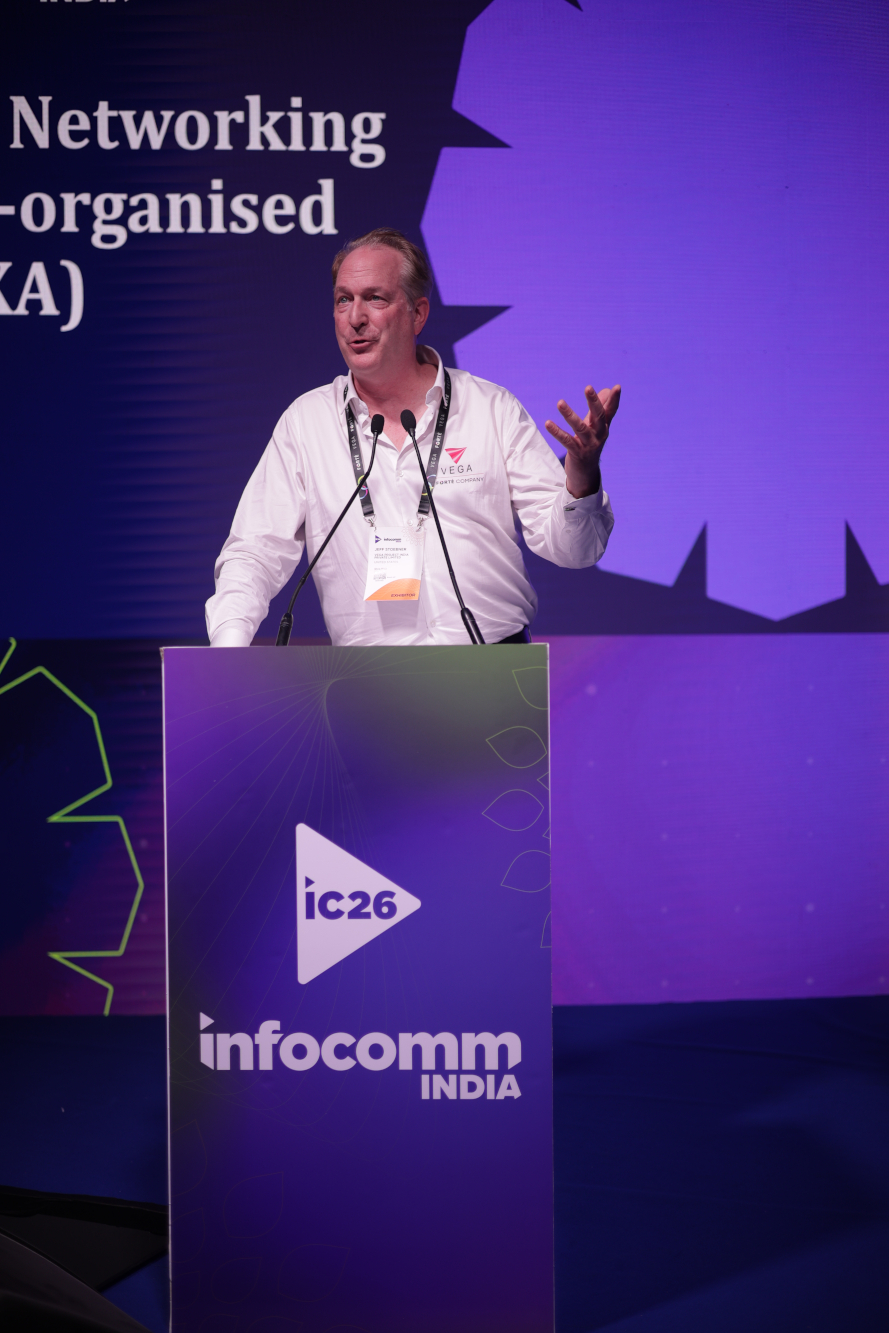
Unlike many competitors backed by private equity, Forte remains privately held under a 100% employee-owned (ESOP) structure. The model was established by Jeff Stoebner’s father and company founder Joe Stoebner, who built the business from a small classroom equipment supplier into AVI Systems, one of North America’s leading ProAV integrators, before handing executive leadership to his son, Jeff Stoebner.
Jeff Stoebner doesn’t consider selling to an investor. Employee ownership enables Forte to take a longer-term view, move faster than many investor-backed competitors, and maintain a culture built around customer relationships, technical expertise, and employee engagement.
The structure also supports Forte’s acquisition-driven growth model, which management intends to continue as the company expands into new markets.
Why Forte Left GPA
One of the most significant developments surrounding the Vega transaction was Forte’s departure from the Global Presence Alliance (GPA), the worldwide network of independent AV integrators.
According to Stoebner, the separation was a natural consequence of Forte’s evolution into a global operator.
“A global Forte increasingly no longer fitted into GPA’s regional exclusivity model,” he explained.
The situation had become even more complicated as Forte acquired several companies that were themselves GPA members in different regions, including Europe.
“We wanted to be fair to GPA and therefore initiated the separation well in advance,” Stoebner said. “We believe GPA can replace Forte through other partners. When Whitlock exited GPA following its merger with AVI-SPL in 2020, GPA quickly appointed Forte as its new exclusive US member. The same can happen again today.”
The US market remains GPA’s most attractive territory, making the search for a new exclusive American representative strategically important for the organisation.
Different Paths Ahead
As the global ProAV industry enters another period of consolidation, Forte and GPA are heading in different directions.
For Forte, the objective appears straightforward: build a directly managed global organisation capable of serving enterprise customers wherever they operate. The combination with Vega represents a major step toward that goal, but management makes no secret that further acquisitions are already under evaluation.
Where Forte wants to go is increasingly clear. How GPA responds to the departure of one of its largest members is a story the market will soon discover.