
The biggest lesson from the Fifa World Cup 2026 isn't that stadium displays keep getting larger. It's that the industry's focus has shifted toward immersion.
Opinion: Why the Fifa World Cup Proves Stadium LED Is No Longer Only About Size
For years, stadium technology was measured in square footage and superlatives. Every new venue seemed determined to unveil the world’s largest videoboard or longest ribbon display. Those headline-grabbing installations still matter—because they definitely are getting bigger and more striking—but size alone no longer defines the fan experience.
The industry’s biggest innovation is no longer building a larger screen; it is creating an environment in which every display contributes to a single, connected experience.
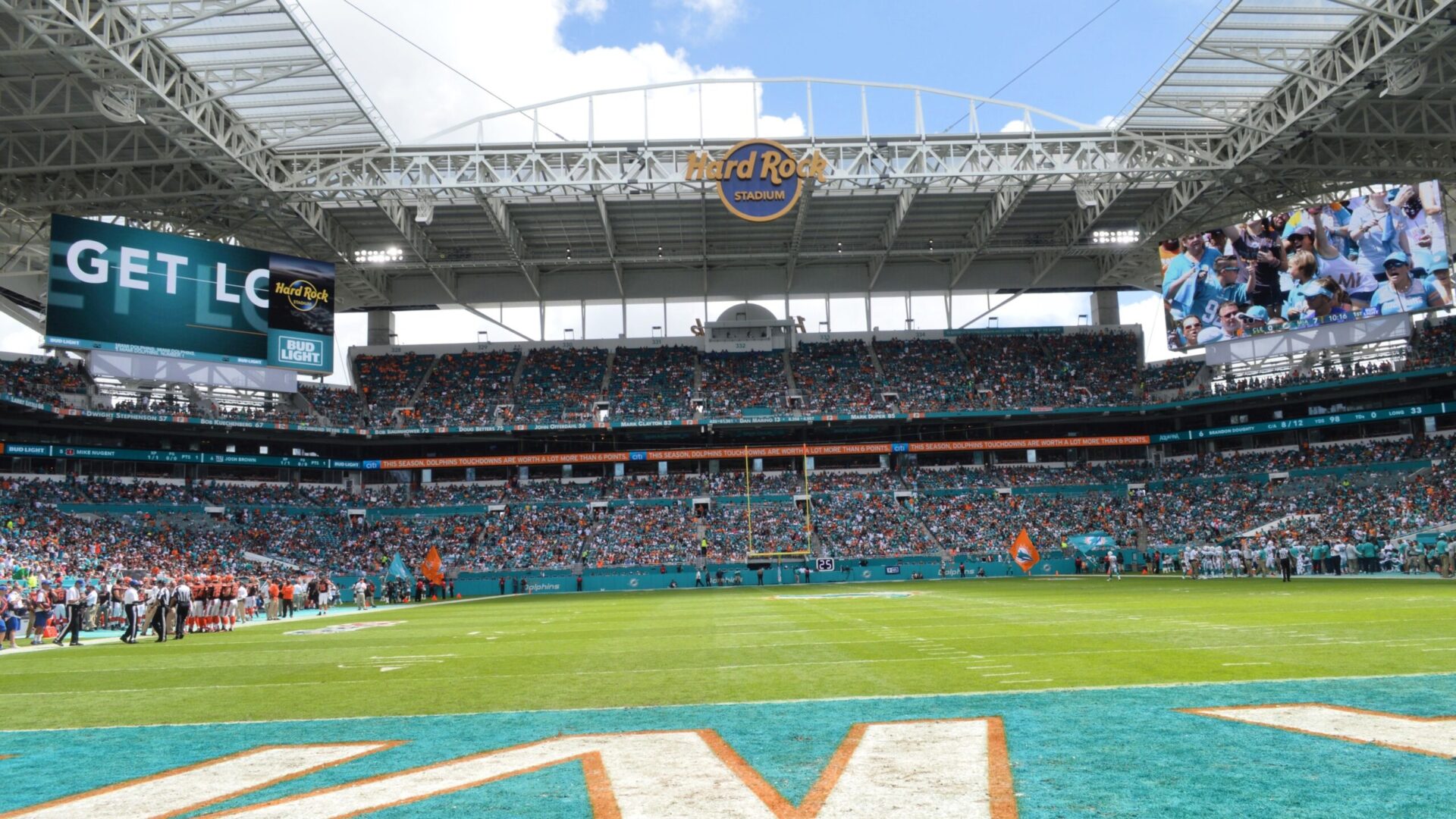
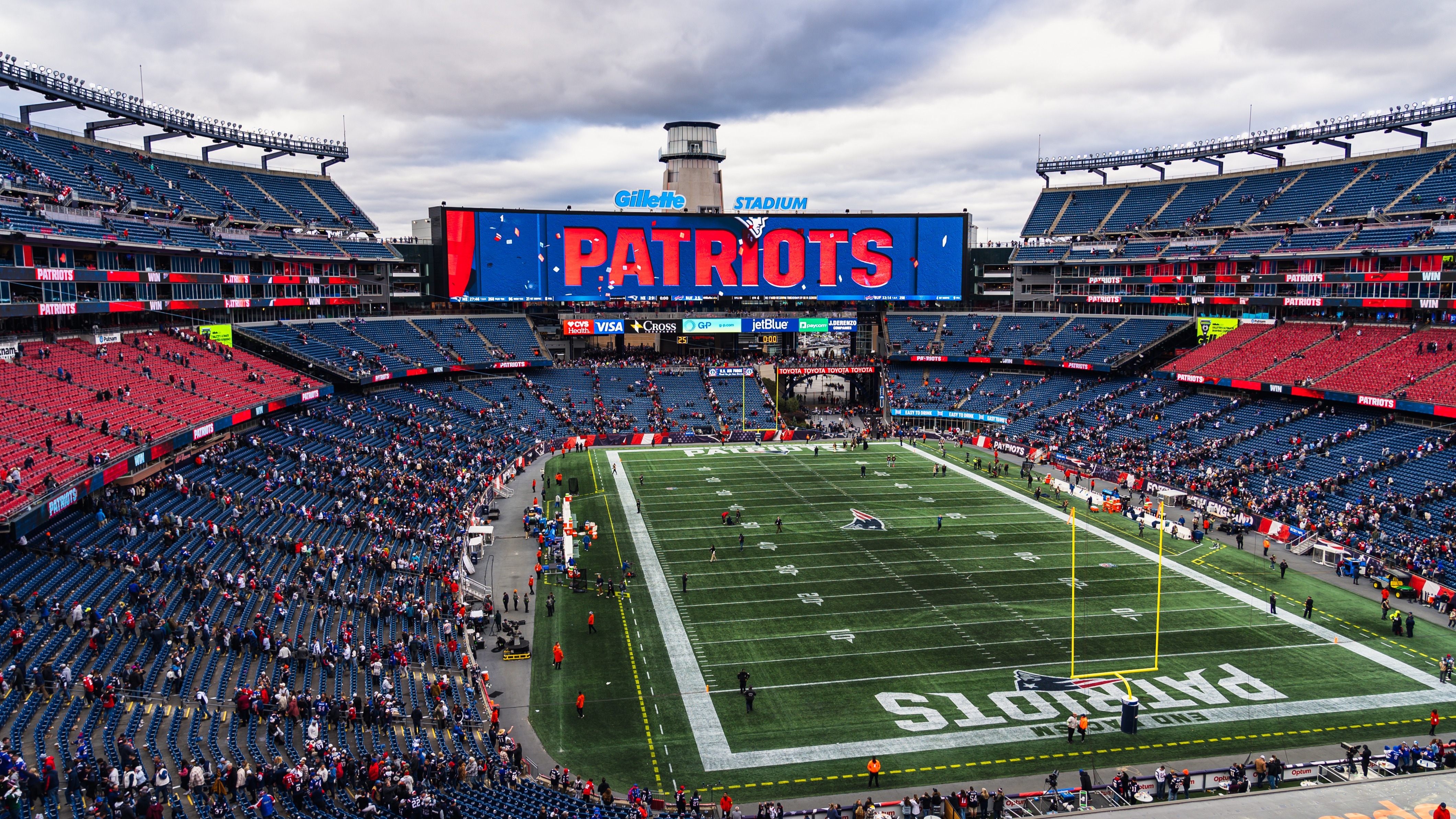
Instead, the World Cup’s knockout venues demonstrate that LED now functions as part of a fully integrated digital environment. Giant videoboards, halo displays, ribbon boards and architectural LED work together to surround supporters with content before, during and after the match. Rather than serving as oversized scoreboards, they have become the visual backbone of the modern stadium.
A stadium-wide experience
The most successful venues no longer rely on a single spectacular screen. They create immersive environments where multiple display systems work together with broadcast production, sponsorship activations, hospitality areas and venue operations.
Fans encounter LED long before kickoff through exterior displays, entertainment districts and digital façades. Inside the venue, ribbon boards, premium spaces and architectural displays extend the experience beyond the action on the pitch, while control systems synchronize content across the entire stadium.
Image quality plays an equally important role. Higher resolutions, tighter pixel pitches, improved color reproduction and greater brightness ensure displays remain impactful whether viewed in direct sunlight or during elaborate pre-match presentations.
The World Cup as a technology showcase
For stadium owners, architects and venue operators, the World Cup offers something that trade shows cannot: the opportunity to experience these technologies operating under real match conditions.
Rather than viewing product demonstrations, decision-makers watch integrated LED ecosystems perform before capacity crowds and a global television audience. They see how halo displays transform introductions, videoboards enhance replays, ribbon boards create sponsorship inventory and coordinated display networks improve communication throughout the venue.
New fan engagement initiatives reinforce that evolution. Features such as Fifa’s Super Shoutout, which allows supporters to purchase personalized messages displayed inside stadiums, illustrate how LED is becoming increasingly interactive. Rather than simply broadcasting information, displays are increasingly inviting fans to become part of the event itself.
Those experiences often spark the industry’s next wave of investment. Conversations that begin with “Who built that?” or “Could we do something similar?” frequently evolve into feasibility studies, renovation plans and future stadium projects.
Beyond the display
The World Cup also highlights that the display itself is only one part of the investment. Behind every replay, animation and coordinated lighting sequence sits a sophisticated digital infrastructure of fiber networks, IP-based production systems, software platforms and integrated control rooms that allows venues to evolve without rebuilding their communications infrastructure.
A lasting legacy
One nation will leave the United States as world champion, but the tournament’s influence will extend well beyond football.
The 2026 Fifa World Cup offers a glimpse of how stadiums are evolving from collections of individual screens into fully connected digital environments. The most memorable technology may not be the largest display in the building, but the way every screen works together to create a richer, more immersive experience for supporters – and that may prove to be the tournament’s most enduring contribution to stadium technology.