Magnetic 3D will use Infocomm 2026 to feature its large-format glasses-free 3D displays and AI-assisted content creation tools aimed at digital signage, ProAV, and experiential applications.
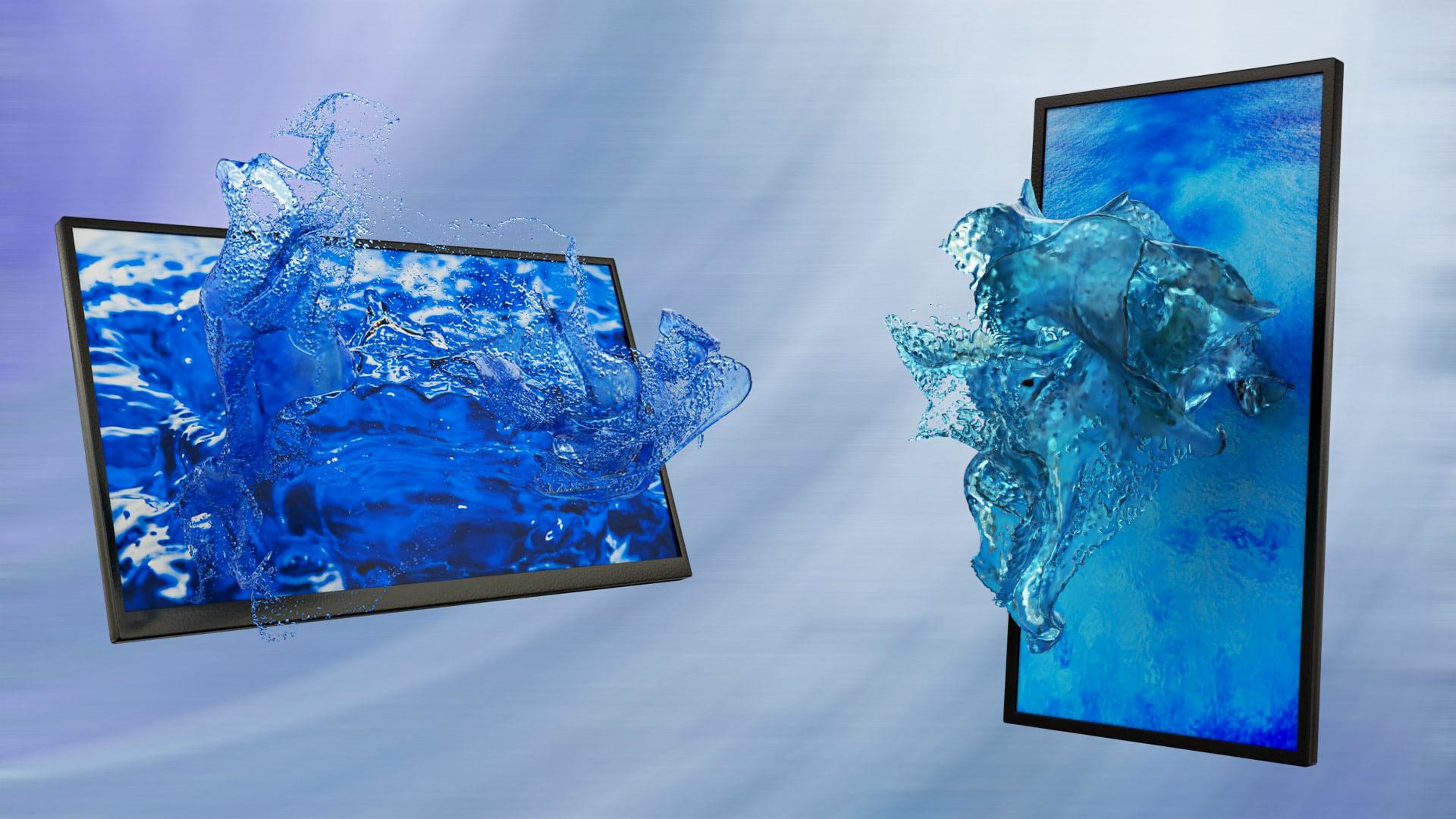
Infocomm 2026: Magnetic 3D Showing Glasses-Free 3D
Magnetic 3D is bringing its latest glasses-free 3D technology to Infocomm, where the company plans to demonstrate large-format displays, interactive applications, and AI-powered content creation tools designed for commercial deployments.
Visitors to its booth will see landscape and portrait-format autostereoscopic displays showing 3D video content and interactive experiences without requiring glasses, headsets, or other wearable devices.
While many marketers associate “3D” with the forced-perspective visual effects commonly seen on large LED billboards, Magnetic 3D’s approach relies on specialized display technology that creates actual depth perception for multiple viewers simultaneously. The company says its solutions are being used in applications ranging from retail and museums to healthcare, education, hospitality, themed entertainment, and corporate environments.
A major focus at Infocomm will be the content ecosystem surrounding the displays. Magnetic 3D plans to highlight plugins and workflow tools for Blender, Cinema 4D, Unity, and Unreal Engine, as well as AI-assisted capabilities intended to reduce the time and cost required to create 3D content.
The company’s Wildfire Series displays are designed to create depth effects that extend both behind and in front of the screen while maintaining wide viewing angles. According to Magnetic 3D, the technology supports viewing angles of up to 140 degrees and enables multiple users to view the same 3D content simultaneously, making it suitable for collaborative environments and public installations.
Founded more than 20 years ago, Magnetic 3D has developed a platform that combines display hardware, software, and content creation tools for glasses-free 3D applications. Sixteen:Nine previously noted that the company was among the earliest firms to pursue commercial autostereoscopic displays, distinguishing its technology from the “naked-eye” 3D effects often associated with digital-out-of-home campaigns.