
Roadhouse Cinemas has installed Arizona's first Cinema LED screen, adding a 12-meter Samsung Onyx display to its Scottsdale location as the technology gains ground internationally.
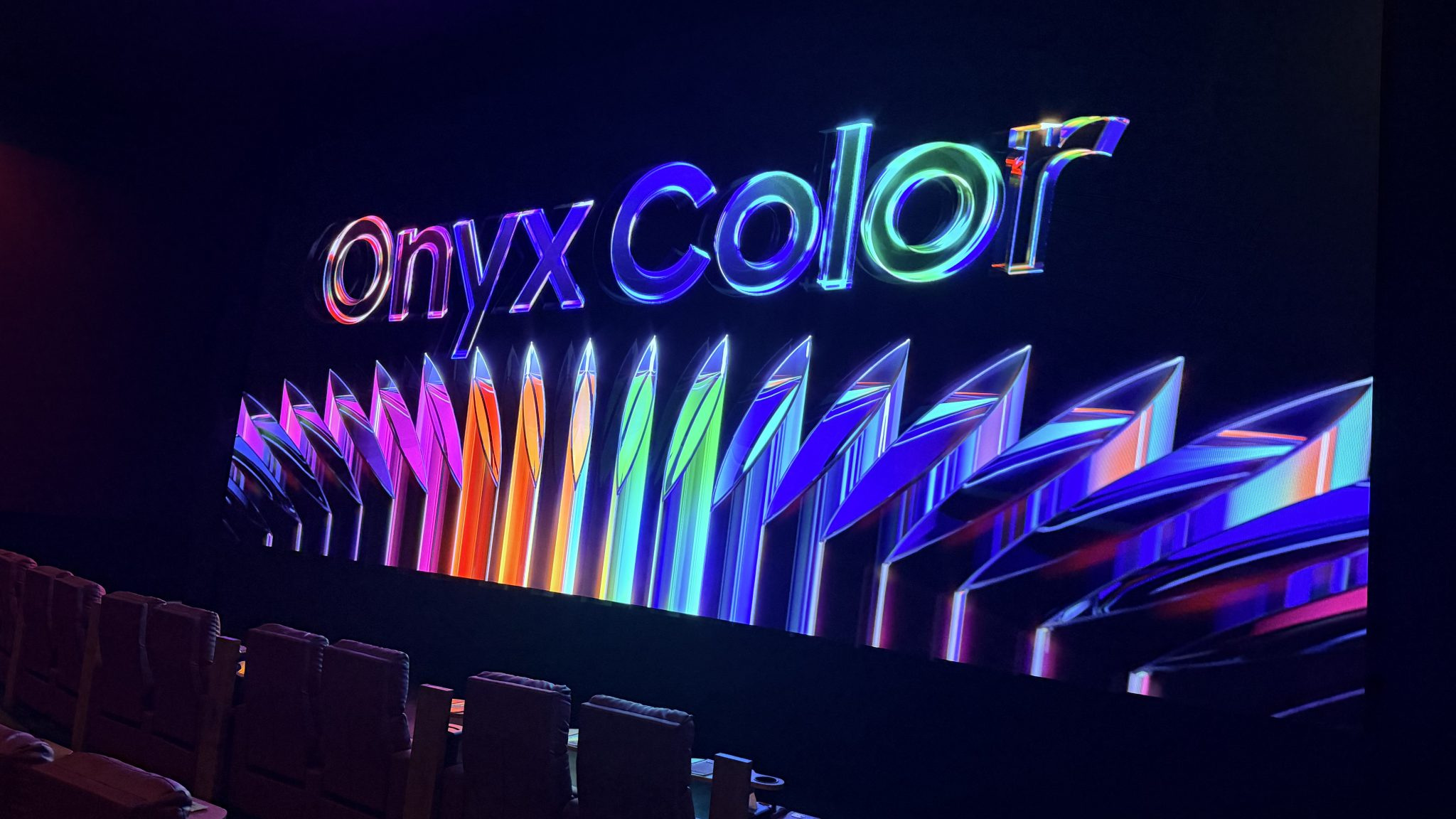
Cinema Technology: Samsung Onyx Makes Arizona Debut
Roadhouse Cinemas has installed a 12-meter (39.4-foot) Samsung Onyx LED screen at its Scottsdale, Arizona, location, becoming the first cinema operator in the state to introduce the direct-view LED technology.
The display replaces conventional projection in Auditorium 10 and forms the centerpiece of a new premium large-format moviegoing experience.
Samsung’s DCI-certified Onyx technology delivers 4K resolution, supports frame rates up to 120 frames per second, and offers brightness levels of up to 300 nits, more than six times the approximately 48 nits associated with conventional cinema projection.
The higher brightness, combined with deep blacks and high contrast, lets theaters present detailed images while offering greater flexibility with auditorium lighting.
Beyond the screen
Roadhouse has paired the display with DTSX immersive audio and new heated reclining seats, combining the technology with the operator’s emphasis on comfort and hospitality.
Cineunion served as the cinema reseller and system integrator, while subcontractor Socal Cinetech supplied the Onyx frame and installation services.
To introduce the new format, RoadHouse is waiving the premium surcharge for the auditorium’s first month of operation.
Growing international footprint
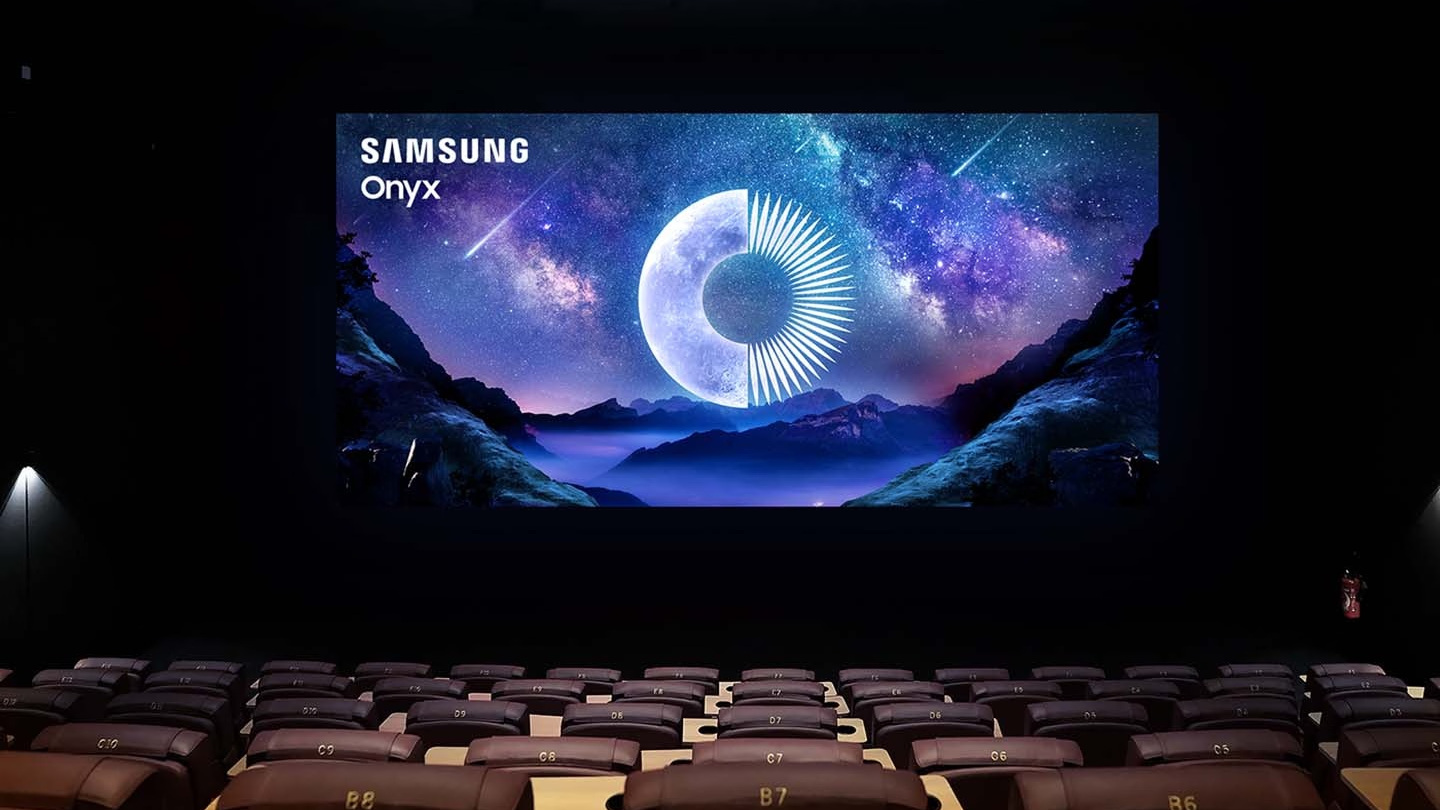
The Scottsdale installation follows the recent opening of Hungary’s first Samsung Onyx cinema at Lurdy Cinema in Budapest.
That installation, completed in September 2026, features an 11.5-meter-wide 4K LED screen in a renovated 229-seat auditorium, along with upgraded seating and Dolby 7.1 surround sound.
Other Samsung Onyx installations include GTC Trilith Cinemas in Georgia, the Culver Theater in California, and Pathé Palace in Paris.
Cinema LED adoption remains gradual, with conventional projection still accounting for most installations. However, the technology offers operators more than improved picture quality, it allows auditoriums to accommodate live broadcasts, corporate events and other programming that can generate revenue outside regular movie screenings.