
New research from Vistar Media suggests that a simple creative element can significantly improve the effectiveness of digital out-of-home campaigns: the store locator. According to a study conducted with Omnicom Media and Annalect, adding location information to programmatic DooH campaigns can substantially increase consumer intent, especially when placed at the top or bottom of the creative.
Research: Store Locator Boosts DooH Performance
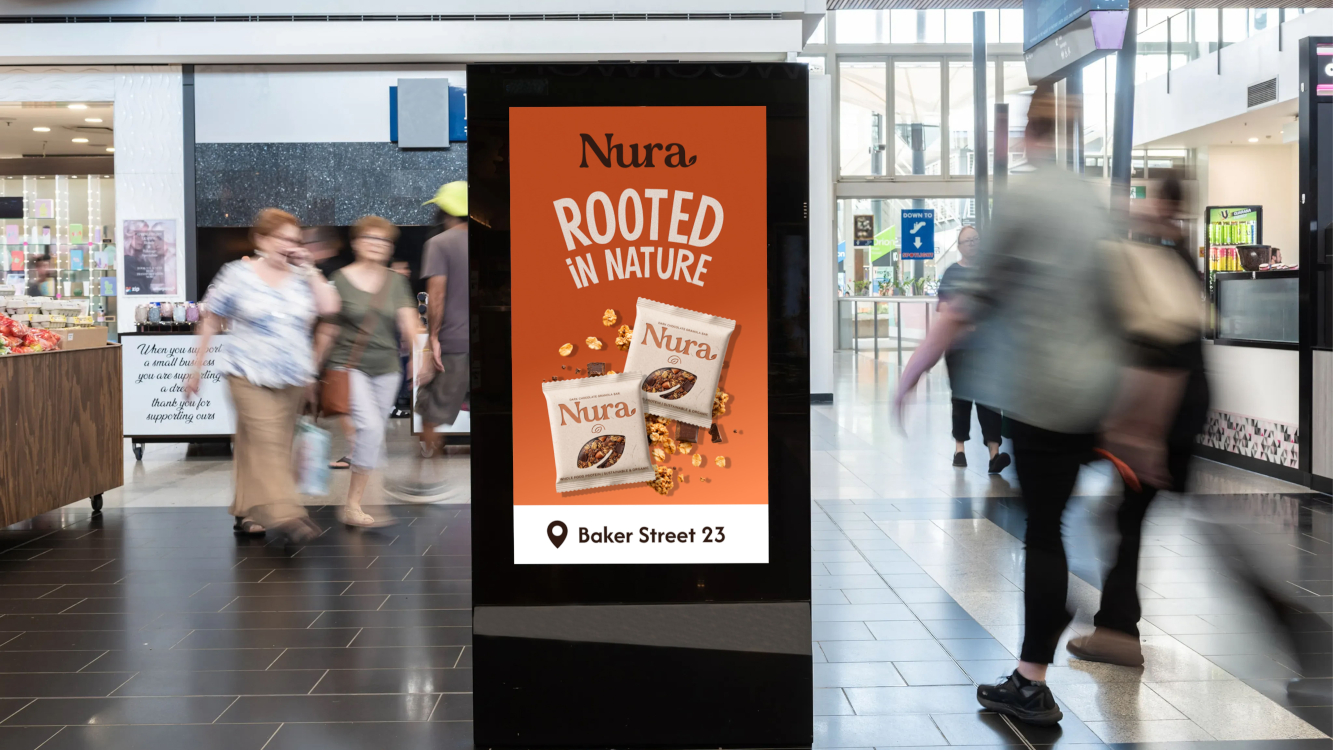
As programmatic Digital-out-of-home continues to mature, advertisers are increasingly looking beyond audience targeting and automation toward creative optimisation. Dynamic Creative Optimisation (DCO) has become one of the medium’s most valuable capabilities, allowing brands to tailor messages according to location, time, weather, or retail proximity. One of the most common applications is the dynamic store locator, directing consumers to nearby stores, restaurants, or dealers.
Store information can drive measurable action
To better understand the impact of store locators, Vistar Media conducted a study among 7,200 consumers aged 18 to 59. Participants were shown DooH creatives with either no store locator or one positioned at the top, middle, or bottom of the advertisement. The research covered three major categories: retail, quick-service restaurants (QSR), and consumer packaged goods (CPG).
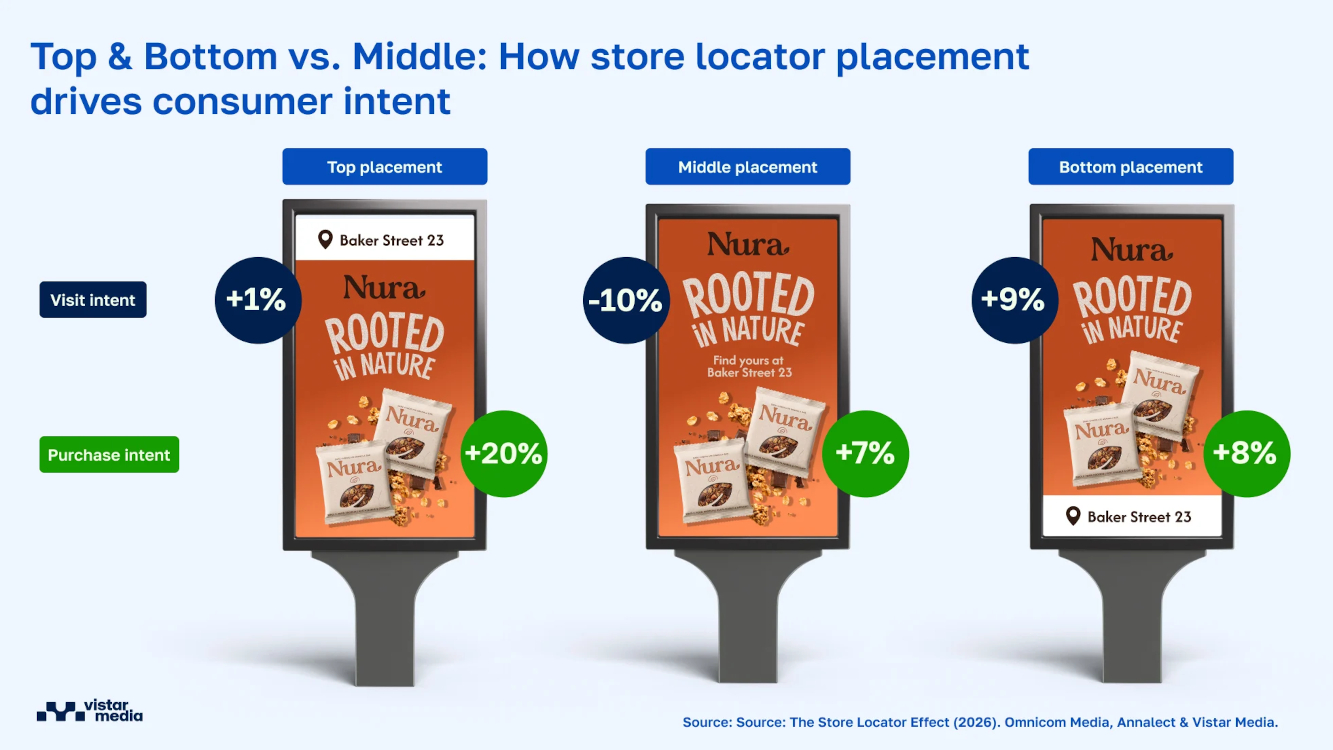
The findings were clear: adding store information increased consumer intent across categories, but placement mattered. Store locators positioned at the top or bottom of the creative consistently outperformed those placed in the middle, where location information often had to compete for attention with headlines and imagery.
Retail and QSR benefit most
The strongest category-specific results were recorded with bottom-positioned store locators:
- Retail campaigns achieved a 35% increase in visit intent.
- QSR campaigns delivered a 24% uplift in visit intent.
- For impulse-driven CPG products such as confectionery, purchase intent increased by 116% with bottom placement and 110% with top placement.
The study suggests that store locators are particularly effective when consumers can act immediately after exposure, making them highly relevant for retail media, convenience retail, foodservice, and omnichannel campaigns.
Design matters as much as placement
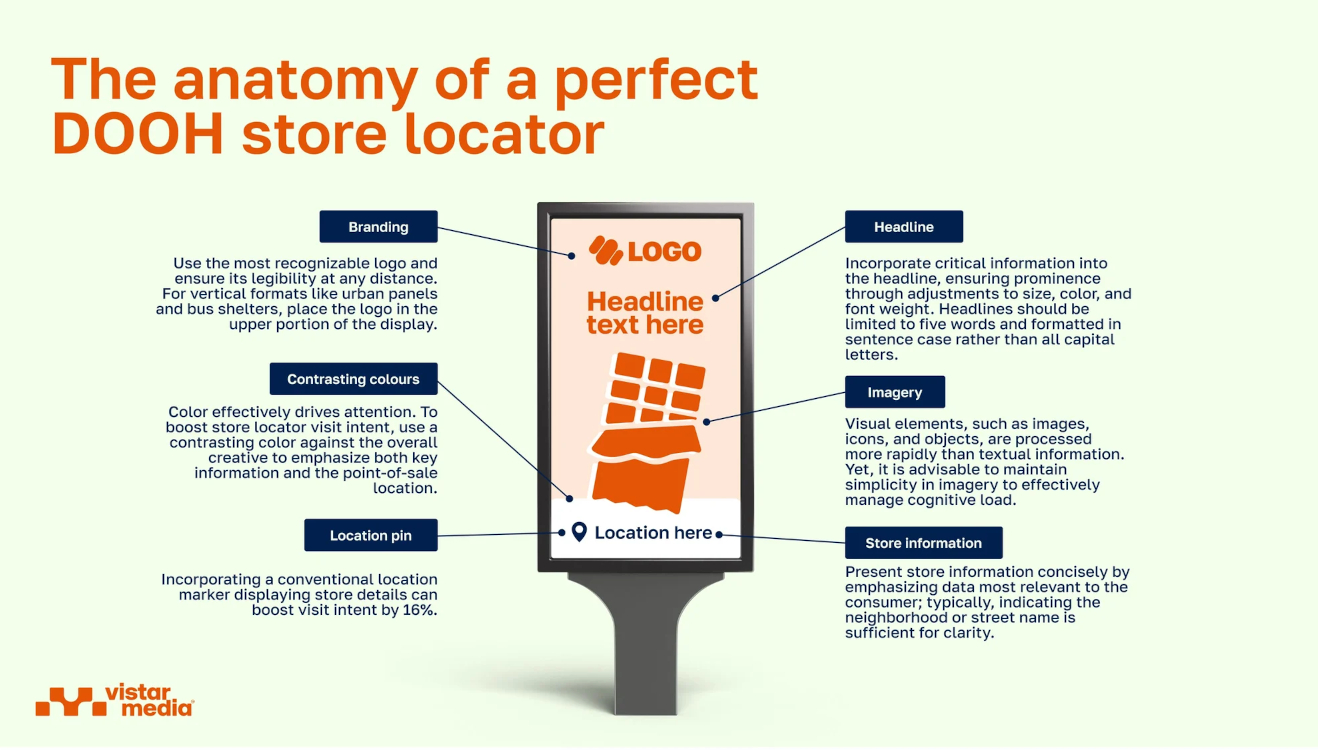
Beyond positioning, the research highlights the importance of execution. Two design elements stood out across the best-performing creatives:
- High-contrast store locator design
- Use of a familiar location-pin icon
According to the study, the location pin generated a 16% uplift in visit intent, while high-contrast designs increased visit and purchase intent by approximately 10%.
The findings underline a broader industry trend: small creative adjustments can generate measurable campaign improvements without requiring additional media investment.
A lesson for retail media and pDooH
The research arrives at a time when retailers and brands are increasingly integrating digital signage, retail media networks, and programmatic advertising. For advertisers investing in omnichannel customer journeys, the store locator may prove to be one of the most effective bridges between digital engagement and physical store visits.
However, the study also identified a potential drawback. When store locators prominently featured third-party retailer or dealership branding, recognition of the advertised brand occasionally declined, suggesting that marketers need to balance activation goals with brand-building objectives.
invidis comment
For years, dynamic creative capabilities have been one of the most frequently cited advantages of programmatic DooH. Yet most industry discussions have focused on technology rather than effectiveness. Vistar Media’s research adds valuable evidence that creative optimisation can directly influence consumer behaviour. As retail media networks increasingly rely on digital signage as a physical touchpoint, seemingly minor details such as the placement of store information could have a significant impact on campaign ROI.