
At Manchester's Aviva Studios, Panasonic laser projectors help artists integrate digital imagery into performances and installations without making the technology the center of attention.
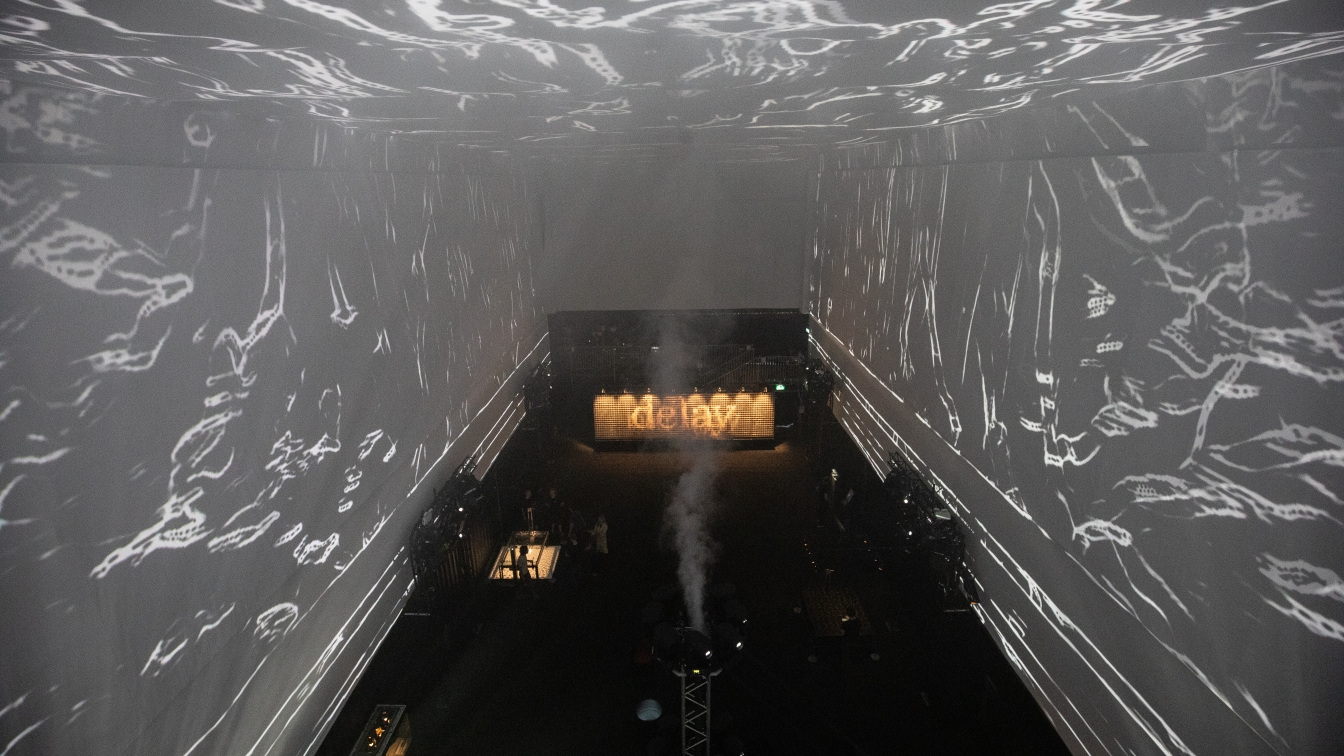
Projection Mapping: Factory International Makes The Case For Projection In Immersive Art
As LED displays become increasingly common in live entertainment and immersive environments, Factory International in Manchester is demonstrating why projection continues to play an important role in artistic productions.
The UK cultural organization, which operates Aviva Studios and produces the Manchester International Festival, uses Panasonic laser projectors for immersive installations, experimental performances and large-scale visual environments.
For Paul Moore, Technical Director at Factory International, one of projection’s greatest strengths is its ability to blend into a production rather than draw attention to itself.
“Projection allows video to live in a different world,” he says. “It allows it to stop being about what the medium is and about what the art is.”
Making technology less visible
Unlike an LED display, which remains a physical element of a stage or installation, projection allows moving imagery to become part of the surrounding architecture, scenery or performance space.
Factory International uses both technologies, selecting the approach that best supports each artist’s vision.
The organization encourages artists to experiment with projection mapping, live video and emerging digital technologies through development programs that allow them to test ideas before bringing them to larger productions.
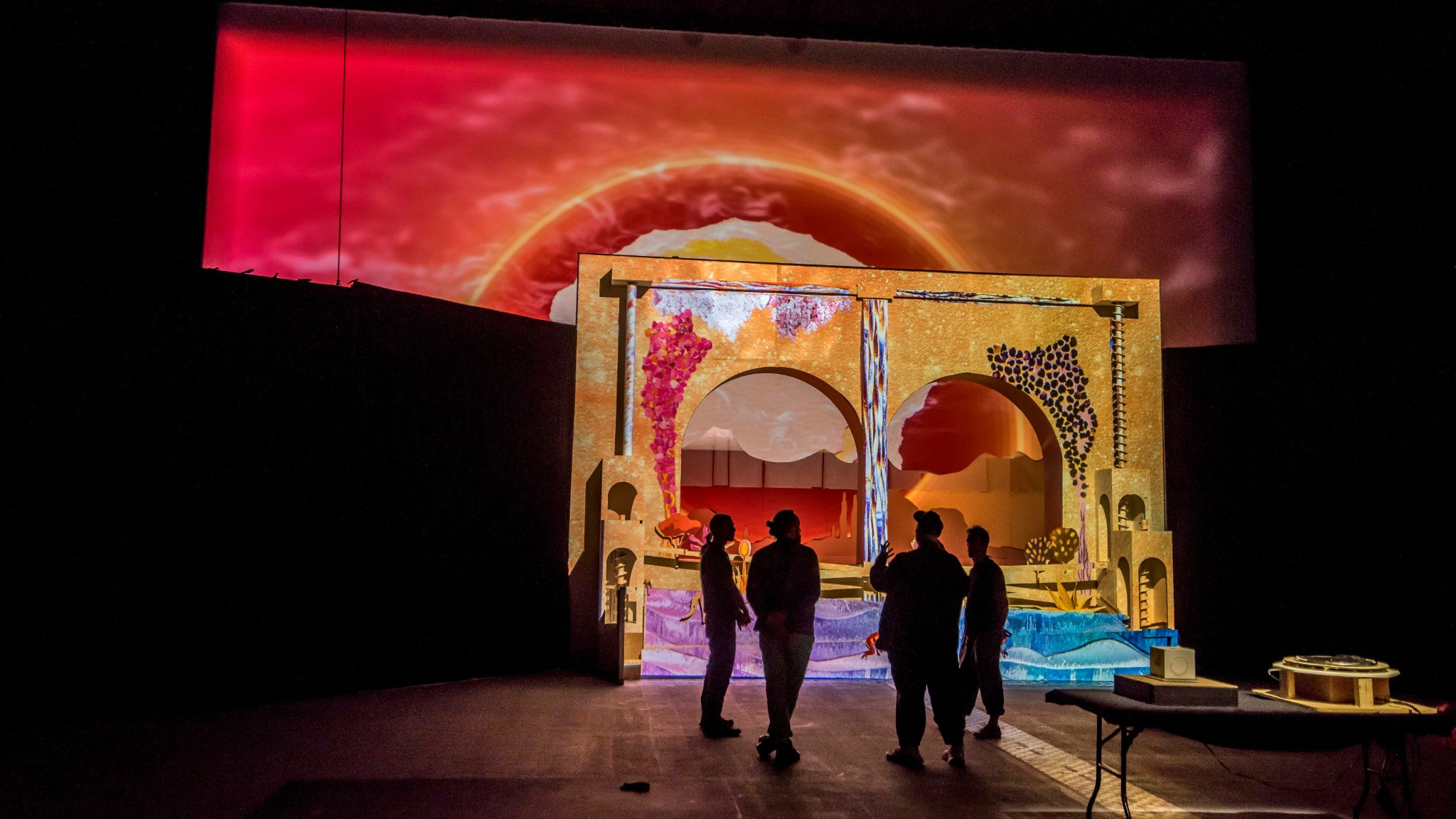
“We’ve often had artists that will try and challenge what we’re doing with projection, what we’re doing with video, or any technology really,” Moore says.
The venue’s projection inventory, supplied by AV integrator Adlib, includes Panasonic 4K laser projectors that can support productions with different spatial and technical requirements.
The design process prioritized equipment noise and heat output, particularly in installations where projectors operate close to audiences.
From projected smoke to AI
One example of Factory International’s approach was Atmospheric Memory, an immersive installation by artist Rafael Lozano-Hemmer for Manchester International Festival.
Constructed using stacked shipping containers, the installation combined projected imagery, interactive digital environments and a wall of pixelated smoke that could display images. The production subsequently toured internationally, with its projection setup adapted to different venues.
Factory International has also collaborated with artist Laurie Anderson on a production that combines electronic music, live camera feeds, green-screen technology, and early AI-generated content.
Both projects illustrate how digital imagery can become part of an artistic experience rather than simply serve as a visual backdrop.
For Moore, that distinction helps explain why projection remains valuable alongside LED and other display technologies.
“Projection for me will bring the art forward,” he says. “You can add texture, atmosphere and detail without it becoming the focus of the piece.”