
Samsung has stepped away from the biggest consumer electronics stages: the company no longer maintains its own exhibition stands at either CES or IFA. Why the focus has shifted to B2B flagship events such as ISE and MWC - and what that reveals about the future of the trade show industry. An op-ed by Florian Rotberg.
Opinion: The Trade Show Industry’s Reality Check
Samsung and the exhibition organizers may choose to frame it differently, but the honest headline is this: Samsung is withdrawing from the world’s two largest consumer electronics trade shows. The company no longer operates a major standalone exhibition presence at either CES in Las Vegas or IFA in Berlin.
That does not mean Samsung is turning its back on these events altogether. The company will continue meeting key customers, retail partners, and media representatives around the shows, while presenting new products in more exclusive settings. Samsung understands better than most how important personal interaction remains – especially in the B2B business.
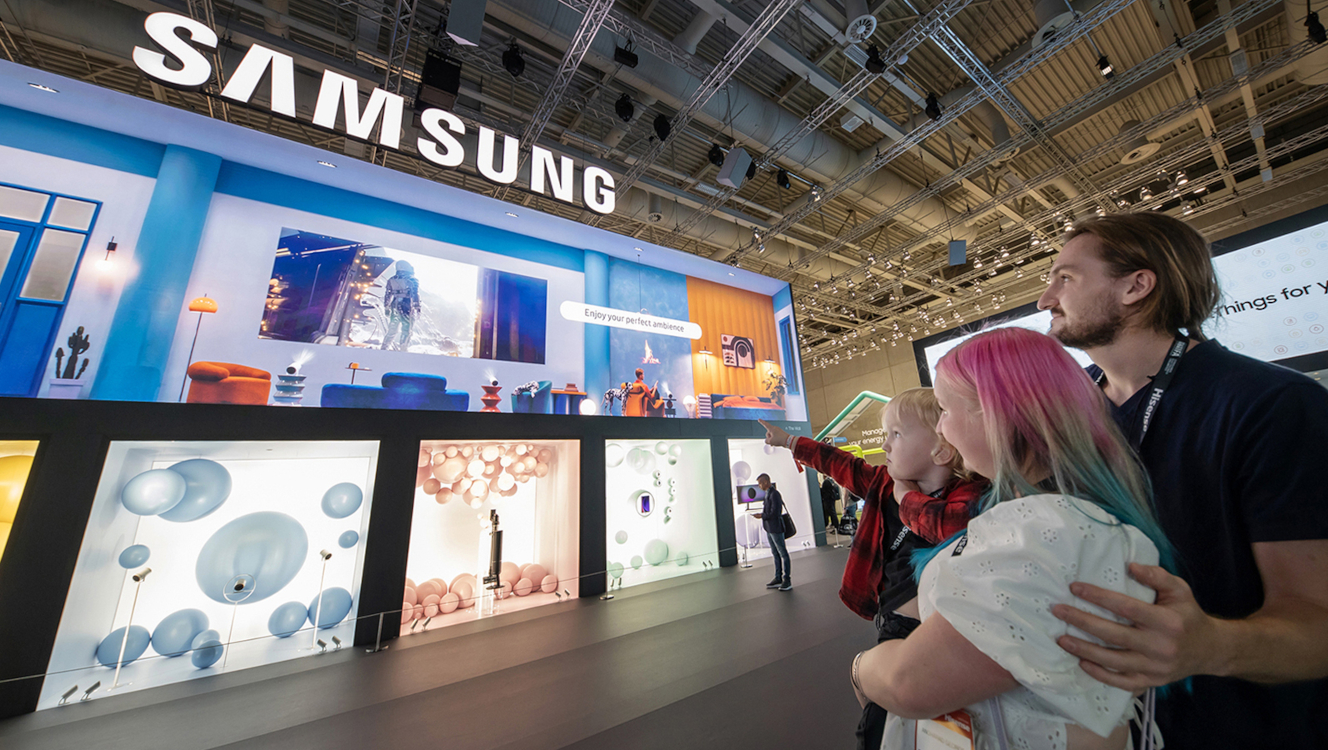
Nevertheless, the symbolic significance of this decision is enormous. For decades, Samsung’s massive showcases were a defining feature of both CES and IFA. In Berlin, the company regularly occupied an entire exhibition hall. These highly produced brand experiences served as flagship attractions not only for Samsung but for the industry as a whole. Yet it appears that such large-scale consumer-focused showcases no longer fit the times – at least not from the perspective of the world’s largest consumer electronics manufacturer.
What is particularly interesting is where Samsung continues to maintain a major presence. The two remaining flagship events in the company’s global trade show calendar are Integrated Systems Europe (ISE) and Mobile World Congress (MWC). Both are firmly focused on B2B audiences. Both are held in Barcelona. And both have established themselves as global platforms for business customers, partner ecosystems, and purchasing decisions.
This is no coincidence. While consumer audiences can now be reached effectively through digital channels, social media, influencers, and owned brand platforms, face-to-face engagement remains indispensable in B2B markets. Digital signage solutions, AV technologies, and complex technology ecosystems cannot be fully experienced through videos, livestreams, or virtual showrooms. Customers want to see products in action, compare solutions, and speak directly with experts. Networking, trust, and personal relationships remain critical success factors.
Samsung’s move therefore highlights an important reality: it is not the trade show itself that is losing relevance, but rather the traditional consumer electronics exhibition model. For B2B industries, in-person meetings remain a vital part of doing business. The continued success of events such as ISE and MWC demonstrates that face-to-face communication still carries significant value in the digital era.
However, it would be a mistake to conclude that every B2B trade show is automatically on the winning side of this trend. The leading global exhibitions attract the majority of attention, budgets, and international visitors. Smaller and more regional events are finding it increasingly difficult to maintain their relevance. Reach, international appeal, and a clearly defined value proposition for exhibitors and attendees are becoming more important than ever.
But to reach out to end-customers and national partners – who are usually not willing or cannot afford to travel half around the world – regional shows are of vital importance. They have the same needs and deserve the same attention – just closer to home and in their own language. A balancing act for exhibitors and show organizers.
invidis together with our partners ISE and Avixa informs, educates and supports the industry and end-users at global events and across the world. Even a global industry, regions and markets are at different maturity stages and require tailored approaches.