
Vienna's Volksoper has deployed Stage Precision's motion tracking and projection mapping platform to replace traditional stage scenery with dynamically mapped projections, creating a more flexible production workflow for The Magic Flute.
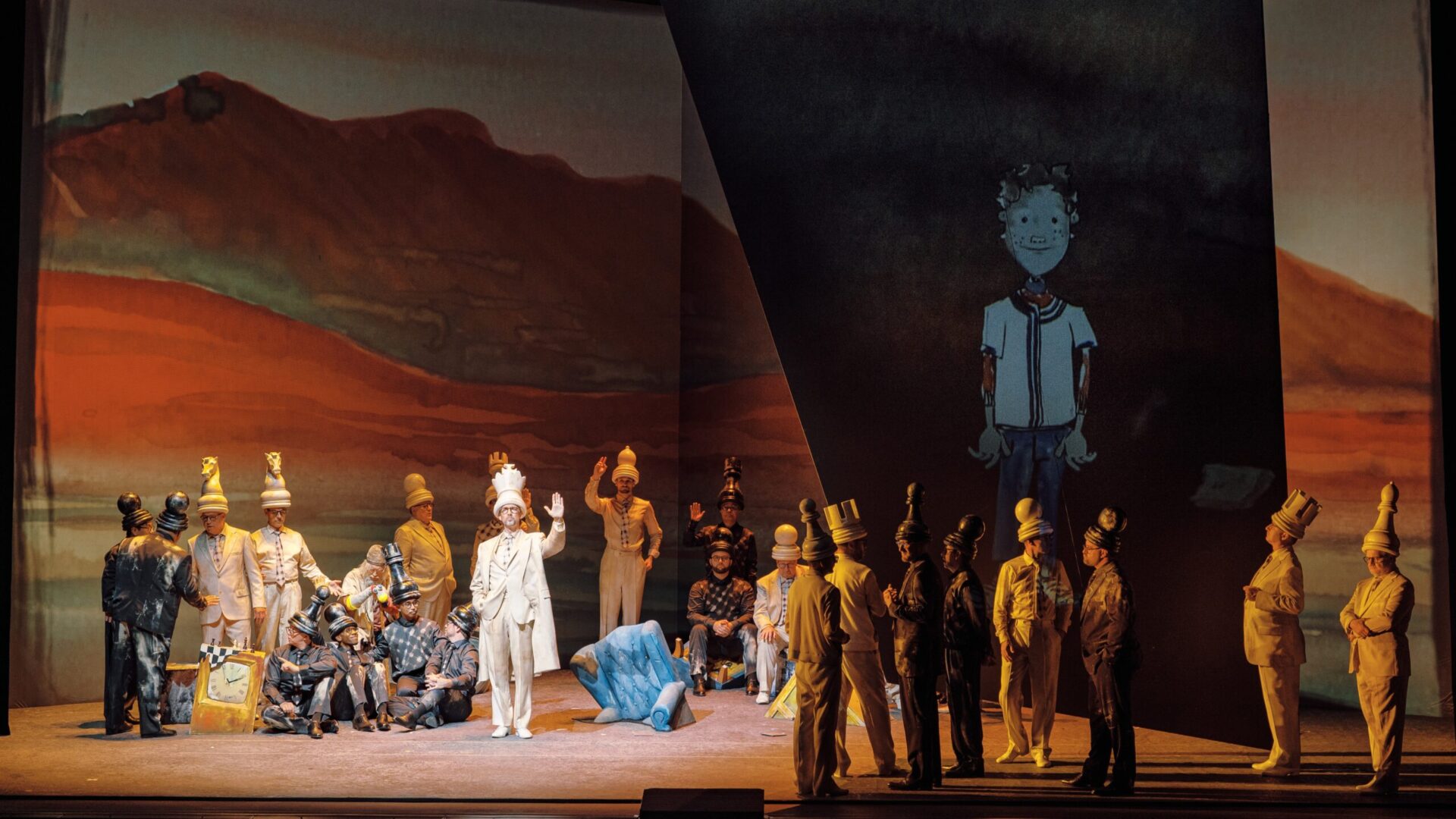
Mozart Meets ProAV: Volksoper Wien Uses Projection Mapping for The Magic Flute
Vienna’s Volksoper has replaced much of the traditional scenery in its production of Mozart’s The Magic Flute with projection-mapped visuals synchronized to moving stage elements.
The Austrian opera house uses Stage Precision’s SP software to control projection mapping, motion tracking and media synchronization, allowing six independently moving projection screens to create changing digital environments throughout the performance.
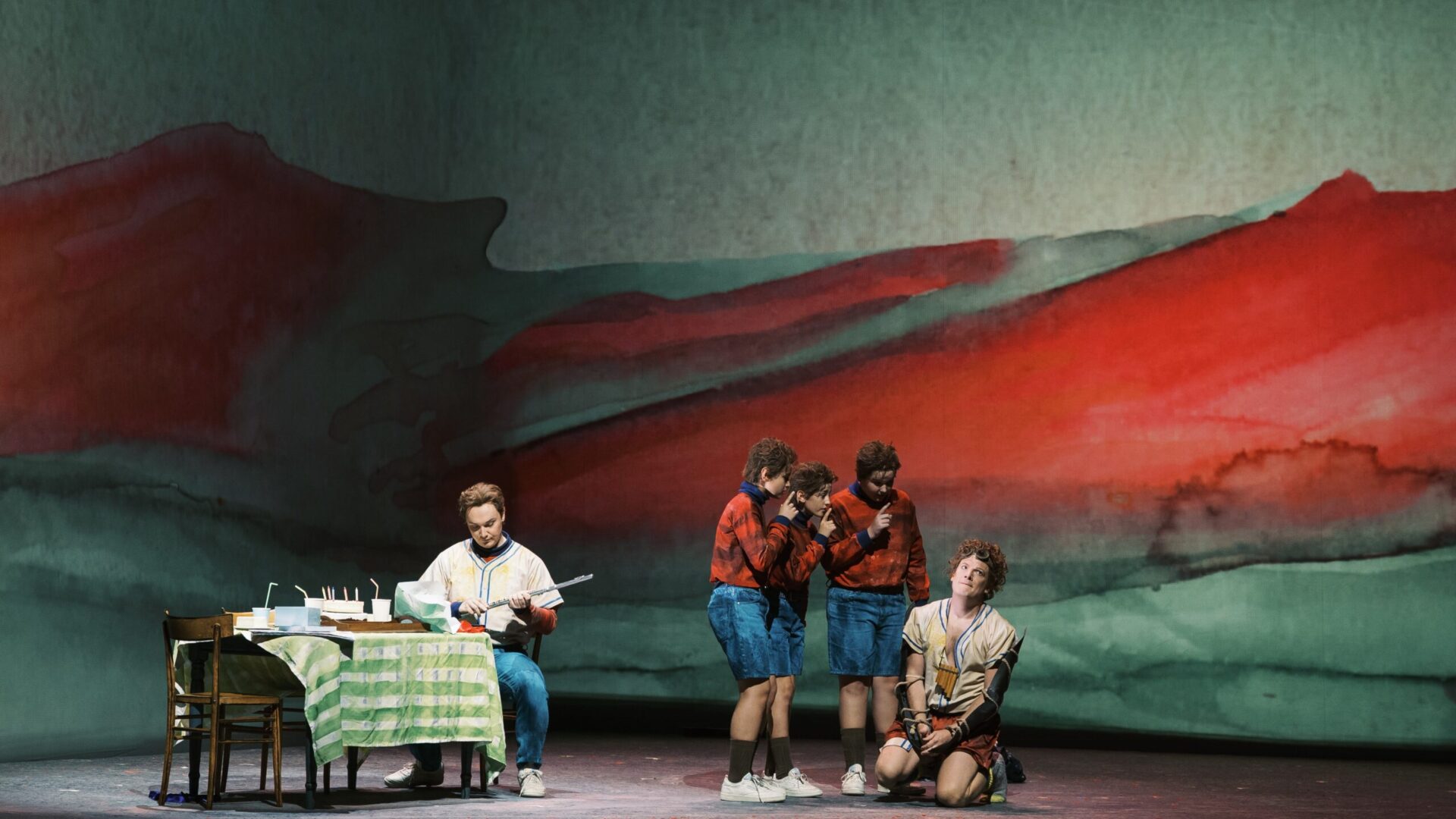
Instead of relying on large physical sets that require time-consuming scene changes, the production uses projected visuals to move quickly between locations. The six projection surfaces, each with a different shape and size, must remain perfectly aligned with the projected content as they move across the stage.
Stage Precision’s platform receives real-time positioning data from sensors mounted on the stage machinery via the Posistagenet (PSN) protocol. The software combines this information with lighting and media controls, then sends synchronized data to the media servers that drive the projectors. Prediction filtering compensates for system latency to maintain accurate alignment.
Three ETC Eos Apex lighting consoles manage lighting and multimedia control, while SP serves as the central platform that links stage movement, projections, and media playback.
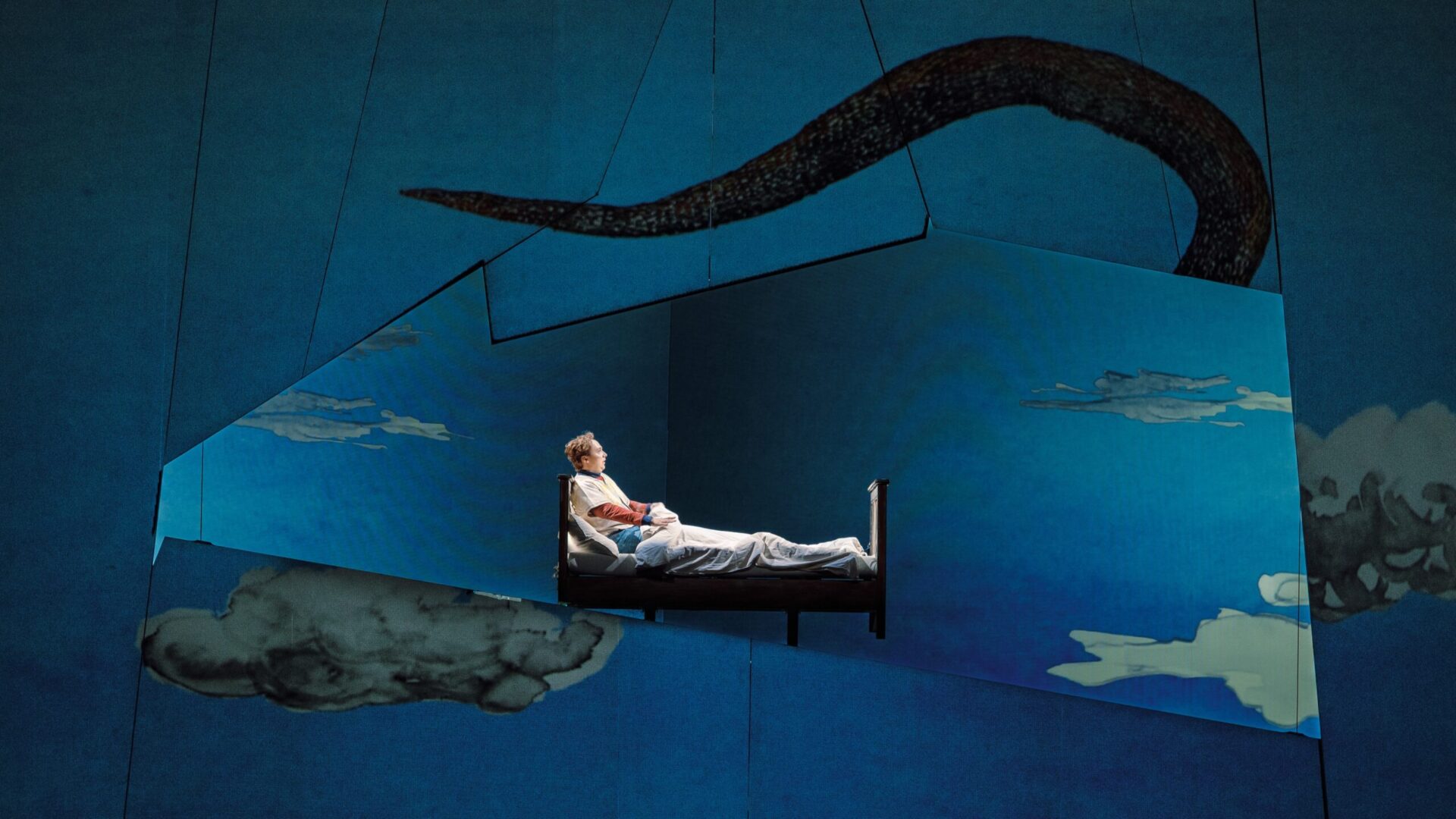
The visual concept places the story inside the sketchbook of a 13-year-old boy, using animated projections instead of conventional scenery to create evolving fantasy landscapes.
Volksoper says the infrastructure can now be reused across future opera, ballet and musical productions by changing projection content and screen movements rather than constructing entirely new stage sets.