From content specialist to retail media integrator: Pixel Inspiration now manages 35,000 displays worldwide – and, with clients such as Tesco, Boots, and others, is increasingly focusing on data-driven advertising networks.

Pixel Inspiration: Content-First DNA Meets Retail Media Scale
Founded in 2004 with a focus on the psychology of effective messaging, the UK-based digital signage integrator now runs around 35,000 displays worldwide – and is pushing deeper into retail media with Dise and integrated ad-tech. invidis talked to Natalie Woodall, who took over the role of Managing Director recently the Belgian Post Group Bpost subsidiary.
More than Screens in a Store
Pixel Inspiration was early to a conversation the industry is still having today: digital signage is not a “screen-in-a-store” project, but a combination of technology, operations and content strategy. According to Managing Director Natalie Woodall, the company was founded by three friends in 2004 to bring content production and consumer psychology thinking into signage – an origin story that continues to shape how Pixel Inspiration positions itself.
After initially aiming at pure content services, Pixel Inspiration quickly moved to an end-to-end digital signage integration business model – hardware, software, support and ongoing maintenance – so it could own the operational reality and then steer clients toward better content decisions. One early reference project is Argos (now within Sainsbury’s): Pixel Inspiration integrated PoS and stock data into the Scala CMS platform to drive dynamic pricing and availability by store, refreshing as frequently as every 15 minutes – implemented back in 2011.
From Scala Specialist to Dise
On the platform side, Pixel Inspiration has lived the long arc from “classic” enterprise signage to today’s heterogeneous endpoints. The company built deep Scala expertise early on, including content-led integrations and research work with a university consumer psychology department using eye-tracking. But as system-on-chip players, Android and ChromeOS endpoints gained momentum, Pixel Inspiration started migrating digital signage networks away from Scala and toward Dise (formerly In-Store Media), beginning around 2018/2019.
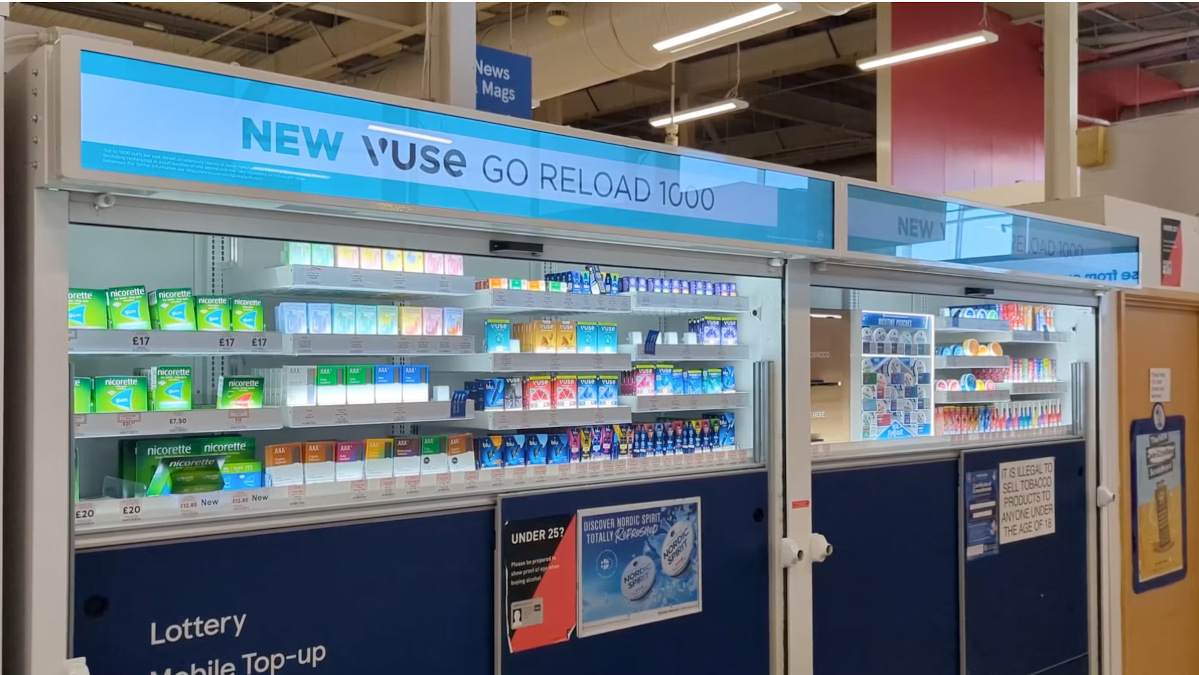
The numbers underline the scale: Pixel manages about 35,000 displays globally across LCD, LED and projection, translating into roughly 21,000-22,000 active software licences. The business remains primarily UK and Ireland-based, but with operations in France and Belgium supporting both local delivery and international accounts. Today’s largest customer is Tesco across multiple divisions, with a network Woodall puts at more than 5,000 licences. Boots is another major deployment, with around 4,000–4,500 displays across the UK and Ireland, largely driven by the dynamics of beauty brands and frequent counter refreshes.
Retail Media at the Gas Pump
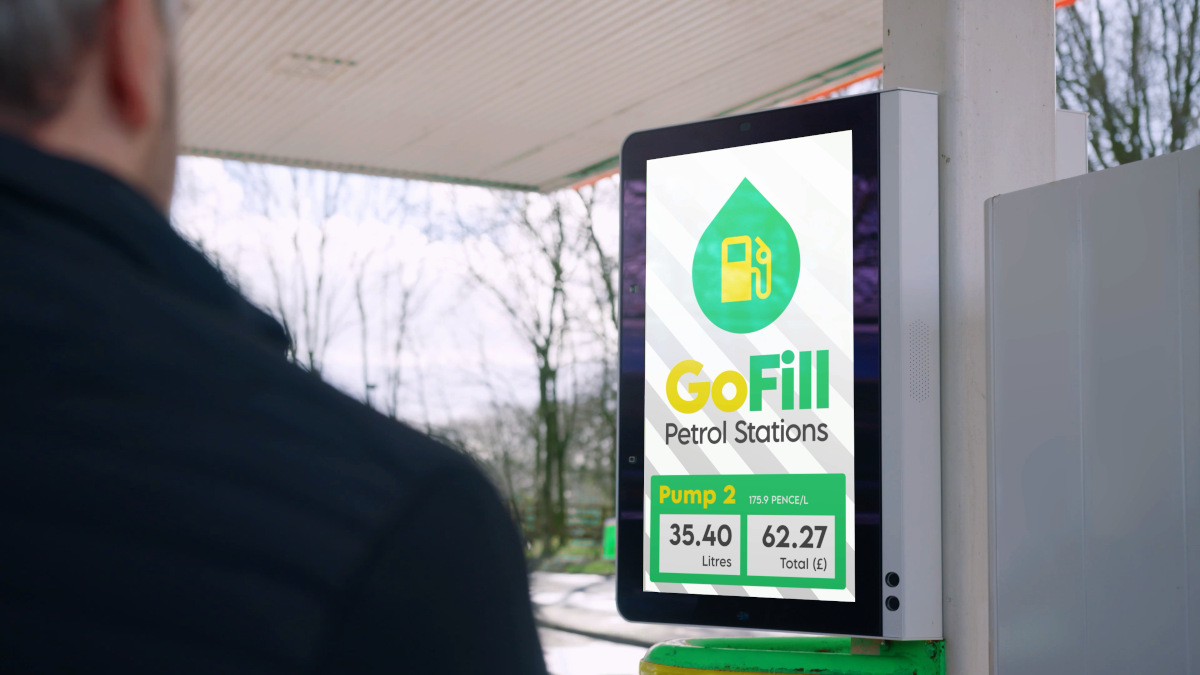
In the last two years, Pixel has also expanded its retail media playbook. Woodall points to a fuel-based retailer as a fast-growing account spanning the UK, France and the Netherlands, where Pixel Inspiration has been migrating in-store networks and rolling out a bespoke forecourt screen concept. The project combines new screen fixtures at pumps with data-driven targeting capabilities; in parallel, Pixel Inspiration is building integrations between Dise and retail media tooling (including LDSK) and leveraging Dise’s out-of-the-box connections to ad marketplaces. As with any data-led activation, Woodall notes that market-by-market compliance requirements remain a practical constraint during rollouts.
Asked what makes Pixel Inspiration different, Woodall emphasises a relationship-led integration and MSP culture: “honest”, non-aggressive, and – until very recently – without a dedicated sales team, relying instead on referrals. Operationally, the company’s claim is breadth and control: all services are kept in-house, from proactive monitoring to out-of-hours migrations and field support, backed by reporting that helps clients understand what they are paying for beyond “a bill”. Looking ahead three to five years, Woodall’s ambition is to double the business, strengthen its position in the UK market and scale internationally – targeting around GPB 50 million in revenue within three years.