
From immersive live events to LED dominance, Futuresource says ProAV growth is shifting toward experience-driven deployments and integrated AV ecosystems.

Futuresource Report: AV Convergence Is Reshaping the ProAV Market
Analysts at Futuresource Consulting are pointing to a ProAV market that is increasingly defined by convergence, experiential demand, and uneven growth across core product categories.
In a recent roundtable discussion, the firm’s analysts highlighted how different segments – from live events and enterprise collaboration to displays – are evolving at different speeds, but increasingly intersecting as integrated solutions.
One of the clearest growth areas is live events, where demand has surged post-pandemic. According to Futuresource, high-end experiences are driving both attendance and spending, with audiences willing to pay more for immersive audio and large-scale productions.

That shift is pushing upgrades across pro audio systems, particularly in areas like immersive sound, higher channel counts and networked control. The emphasis is moving away from pure audio engineering toward managing complex, software-driven ecosystems.
The same “experience-first” mindset is also influencing other verticals, including retail and corporate environments, where AV is increasingly used to create engagement rather than simply deliver information.
Display Segment Still Leads, But Growth Splits By Technology
On the display side, the picture is more mixed.
Displays still account for roughly 43% of total ProAV spend, within a market valued at about $75 billion globally, but growth is uneven across technologies.
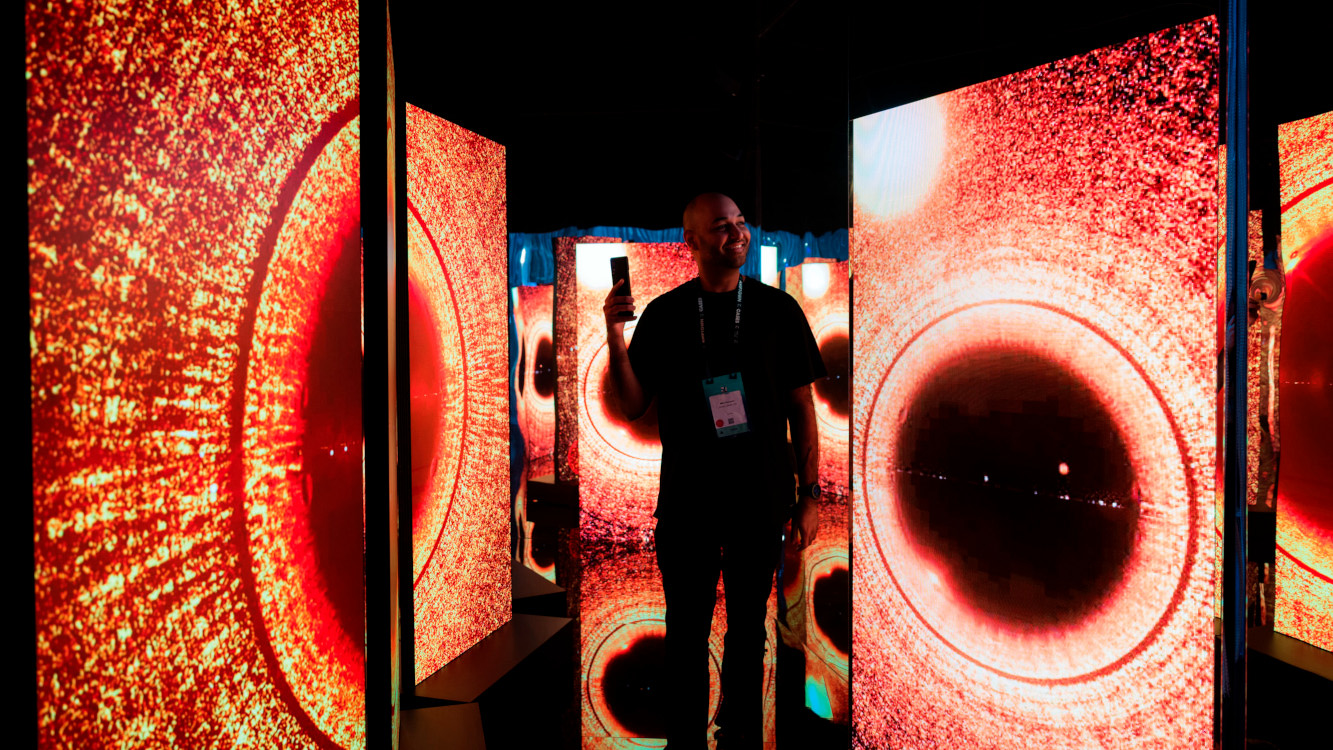
LED continues to be the standout performer, and the only display category growing above the industry average, driven in part by manufacturing advances like chip-on-board processes that are lowering costs and accelerating adoption.
By contrast, LCD signage is becoming increasingly commoditized, with competition shifting toward software, content, and services rather than hardware.
Projection, meanwhile, is under pressure in traditional applications like education, but is finding a more durable role in niche areas such as projection mapping and immersive environments where other technologies are less practical.
Education, Corporate Markets Still Drive Volume, But Budgets Tighten
Education remains a major volume driver for interactive displays, though spending has tightened following a post-pandemic surge in device investment. Schools are stretching replacement cycles and looking for modular upgrades to extend product lifespans.
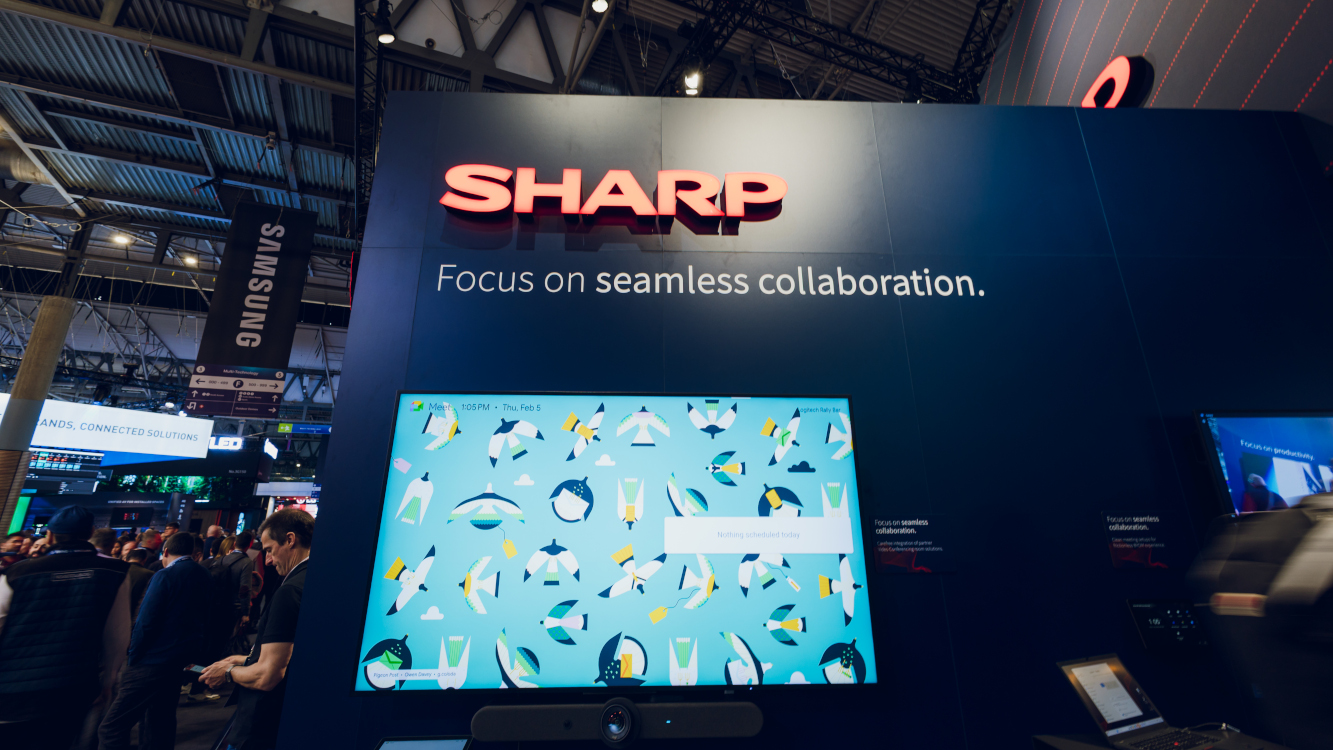
In corporate environments, the picture is similarly complex. The rapid shift to hybrid work has driven strong demand for video conferencing systems but has also limited the growth of higher-cost interactive displays, which now compete with more streamlined collaboration setups.
Across all segments, one consistent theme is convergence.
Technologies that were once separate – audio, video, networking, and software – are increasingly integrated, with interoperability and partnerships becoming critical across the supply chain.
The takeaway isn’t a single breakout technology – it’s that the ProAV market is fragmenting and consolidating at the same time, with growth tied less to individual products and more to how well they fit into broader, experience-driven solutions.