
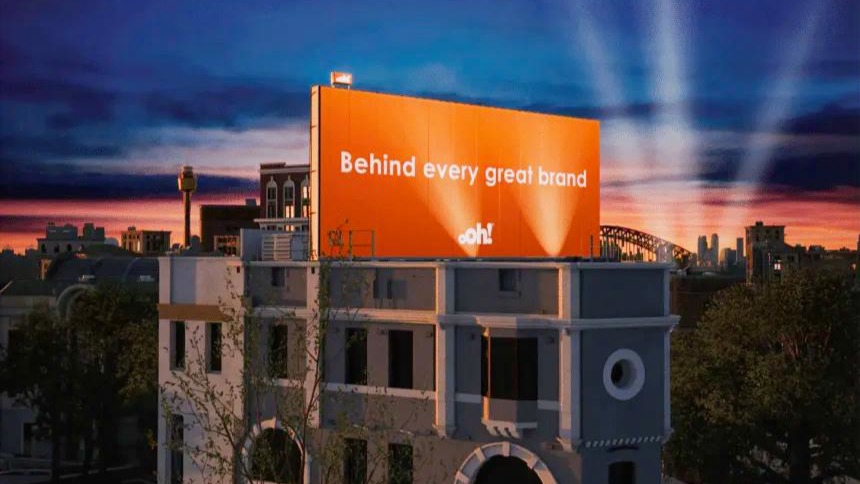
Australian out-of-home media company OOH!media is shutting down Reo, the retail media business it launched in 2022 to help retailers build and operate their own advertising networks.
It’s a notable pullback in a segment widely touted as a major growth opportunity for both digital signage operators and retailers. The company will stop pursuing new retail partners under the Reo brand, with a transition period running through June 30.
The cited reason is straightforward: retailers in Australia appear to prefer building their own retail media capabilities rather than outsourcing them. OOH!media CEO James Taylor told B&T the company saw “a clear preference for in-house retail media solutions.”
That explanation aligns with a broader trend in retail media globally. Large retailers increasingly view their media networks as strategic assets tied to first-party shopper data, supplier relationships, and e-commerce platforms. Handing those functions to an external operator can mean giving up both control and margin.
However, the shutdown also raises broader questions about where the retail media and in-store digital signage story is heading.
Retail media has been one of the most heavily promoted growth narratives in advertising over the past few years, with industry forecasts predicting billions in new revenue tied to in-store screens and ad placements. Reo was pitched as a turnkey way for retailers to quickly launch omnichannel retail media networks spanning in-store screens, websites, apps, and external platforms.
If a specialist OoH company with an established media sales infrastructure struggled to scale that model, it prompts an obvious question: was the in-store retail media opportunity overestimated, at least in the short term?
Another possible takeaway is that retail media may require a different operational skillset than traditional OoH and DooH networks. Selling roadside billboards and selling advertising tied to retail inventory, shopper data and e-commerce attribution are related businesses, but they operate very differently and require tight integration with merchandising teams and retail analytics systems.
It also raises a practical question about who ultimately owns the screens inside stores. If retailers increasingly want control over their media networks, outside operators may find their role shifting toward technology providers, screen operators, or programmatic distribution partners rather than full-service media network builders.
Importantly, OOH!media is not abandoning retail environments altogether. Existing in-store screen network partnerships, including deployments with Australia Post and Officeworks, are expected to continue operating. One partner, Petbarn, is reportedly moving its Petads retail media network in-house.
That distinction suggests the move is less about abandoning retail environments and more about stepping away from the higher-touch business of building and managing retail media networks for retailers.
Whether this proves to be an isolated case or the first of several similar retreats across the OoH sector remains to be seen.
Still, the move hints at something the industry has not talked about much yet: building retail media networks inside stores may turn out to be far more complicated — and slower to scale — than the early hype suggested.
(Image: oOh!media)