
Suddenly higher prices appeared on a QSR menu board. What initially looked like a technical glitch turned out to be a cyberattack. The incident, which occurred in Germany this week, highlights just how vulnerable poorly secured digital signage networks remain.
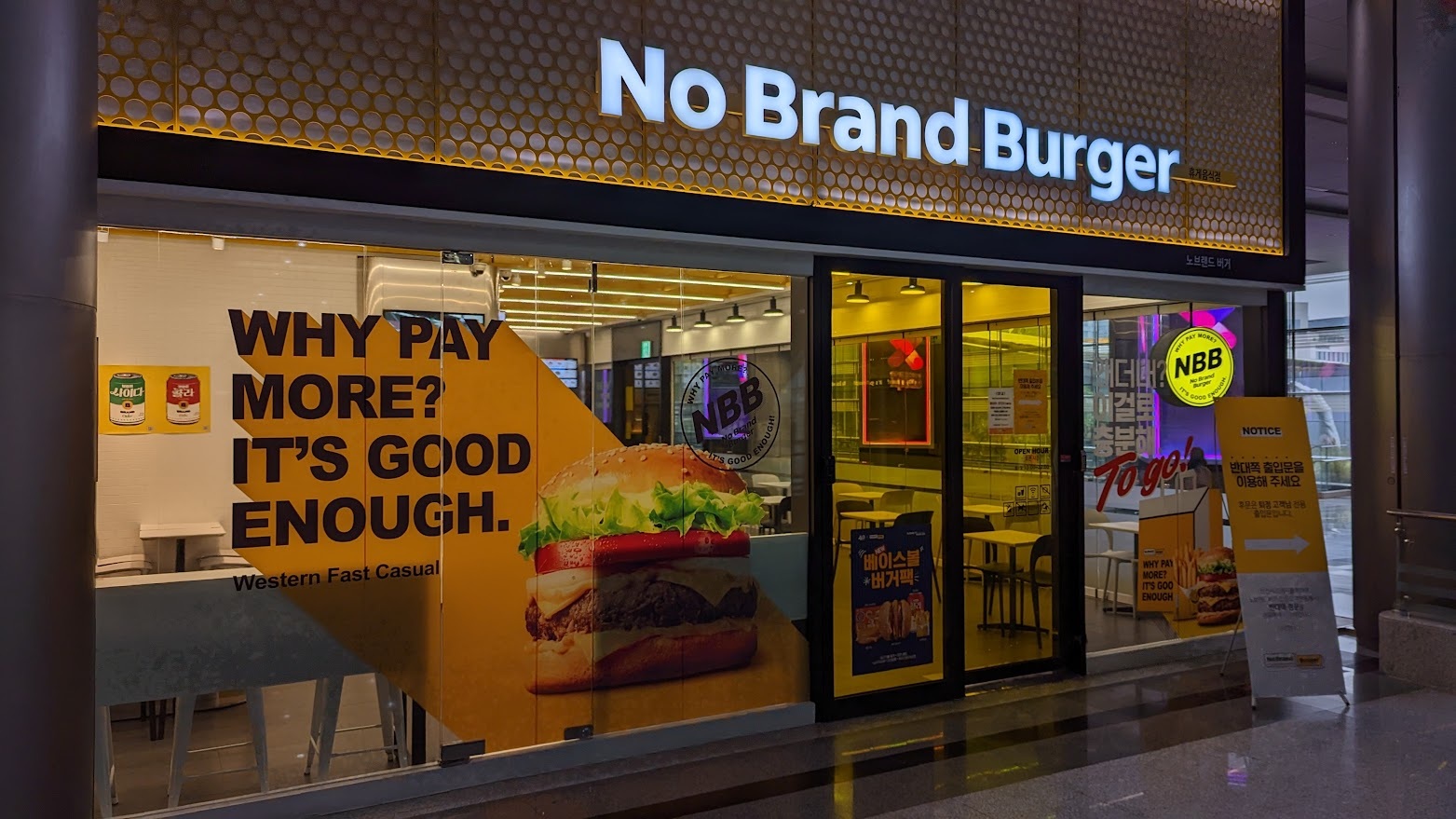
Cyber Security: When Menu Board Prices Suddenly Go Up
Cybersecurity is still treated as a peripheral IT issue in many digital signage projects. However, a recent incident in Germany demonstrates how quickly what appears to be a minor security gap can become a serious business risk.
According to information obtained by invidis, the digital signage system of a German franchisee of a well-known QSR chain was compromised earlier this week. Attackers reportedly managed to guess a weak default password and gain access to the CMS. The manipulation initially went unnoticed. The breach was only discovered when customers noticed unexpectedly higher prices displayed on digital menu boards.
The incident is reminiscent of recent cyberattacks targeting supermarkets, where connected refrigeration systems were compromised. In those cases, attackers manipulated cooling controls with significant consequences: cold chains were disrupted, products became unusable, and entire inventories had to be discarded.
Weak Credentials Remain the Biggest Risk
The common denominator in both cases is obvious: poorly protected IT endpoints.
While unpatched systems and insecure remote access were the primary vulnerabilities in the supermarket attacks, the digital signage incident appears to have been caused by inadequately secured credentials.
Default passwords, weak login credentials, and reused passwords remain among the most common entry points for cybercriminals. The challenge is that by the time an attack is detected, the damage has often already been done. Content may have been manipulated, systems compromised, or business operations disrupted.
In this particular QSR case, the consequences were likely limited to customer complaints, reputational damage, and potential revenue loss. In other sectors, however, comparable security weaknesses could lead to significantly more severe outcomes.
Digital Signage Has Become Critical Infrastructure
Particularly in the QSR industry, digital signage has evolved from a marketing tool into business-critical infrastructure.
Digital menu boards, self-order kiosks, and drive-thru systems manage pricing and product communication in real time and are directly connected to operational processes.
Yet IT security is still too often treated as a secondary consideration. While businesses increasingly secure their POS systems, payment platforms, and corporate networks, digital signage networks frequently remain a blind spot.
Screen Networks Need Security by Default
As AI-powered applications and integrations with backend systems become more widespread, the attack surface of digital signage networks continues to expand. At the same time, their importance to day-to-day business operations is growing rapidly.
For network operators, the conclusion is clear: cybersecurity can no longer be treated as an optional add-on. Like remote device management, it must become a standard requirement from the very beginning of every digital signage deployment.
Cyberattacks on Supermarkets Attract Intelligence Agency Attention
Following cyberattacks on refrigeration systems in German and European supermarkets, Germany’s intelligence and security agencies have become involved in the investigations.
The Federal Office for the Protection of the Constitution (BfV) and the Joint Counter-Hybrid Threat Centre (GAZ Hybrid), which includes representatives from agencies such as the BND and MAD, are examining the incidents. Authorities are seeking to determine whether the attacks were more than ordinary cybercrime and whether they may represent coordinated sabotage targeting critical supply infrastructure.
The attacks affected supermarkets across Germany and several other European countries, as well as refrigeration systems used for blood reserves in healthcare environments.
Attackers reportedly exploited known vulnerabilities, outdated software, and unchanged default passwords to gain access to connected refrigeration controls. In some cases, systems were deliberately switched into heating or defrost mode, causing temperatures to rise to as much as 50°C (122°F). The result was spoiled inventory and substantial economic losses for operators.
These incidents underscore the risks associated with inadequately protected IoT and control systems. Both German and U.S. authorities have urged operators not to connect industrial control systems directly to the public internet, to apply security updates promptly, and to eliminate default credentials as a matter of standard practice.