
Chicago | Taco Bell is currently testing AI-powered drive-thru digital menu boards that dynamically adapts layout, content and visuals - on a car-by-car basis. During testing dynamic pricing will not be based on the car model. A US-wide rollout is planned before the end of this year.
Dynamic and Personalized: Taco Bell Tests AI-Powered Menu Boards
The concept is an interesting and often discussed step forward in the evolution of QSR digital signage. Similar to order kiosk, menus are increasingly becoming real-time, data-driven interfaces designed to respond to individual customer contexts. Either personalized on loyalty program data and license plate or more general based context like weather, daytime, car model or in- or out of state license plate.
From Dynamic to Truly Adaptive
According to Yum Brands CEO Chris Turner, the initiative is about “driving growth and delivering a better consumer experience faster.” The AI system analyses contextual signals in real time and adjusts the menu presentation accordingly, influencing which products are highlighted, how they are visually arranged and how content is prioritized.
Importantly, Taco Bell has emphasized that pricing will not be affected during testing. The objective is not dynamic pricing but improved personalization, more effective upselling and faster optimization of menu performance.
The technology is built on Yum’s in-house Byte platform, which connects ordering, fulfilment and analytics. By integrating AI into digital menu boards, Yum can continuously test and refine menu configurations, generating real-time insights into customer behavior and preferences.
AI across the Yum Ecosystem
The project is part of a broader AI strategy across Yum Brands. The group is systematically building an internal ecosystem that combines data, algorithms and customer experience into what it describes as an operational “AI flywheel.”
Within this framework, applications extend well beyond customer-facing systems. Internal tools such as a virtual coworker named “Judy” and multiple AI agents already deployed in the UK support processes and decision-making.
Personalization across all Touchpoints
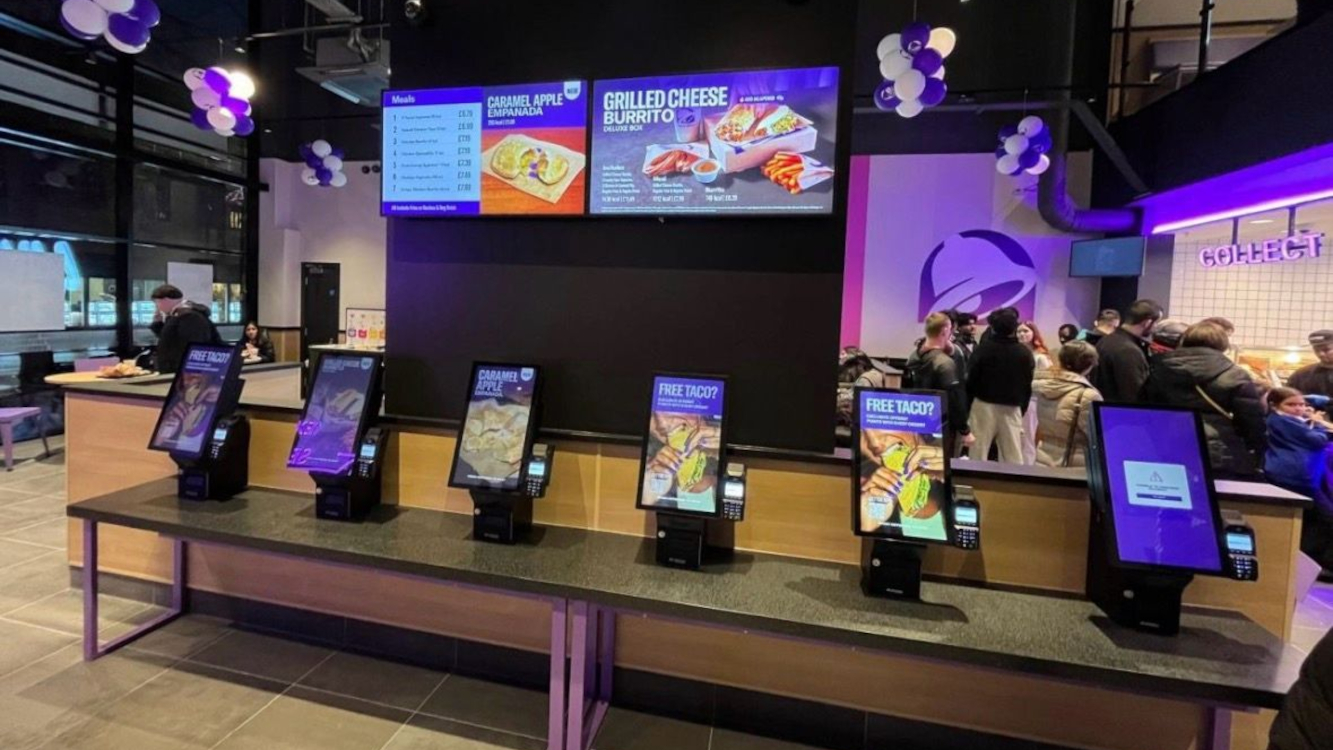
The shift toward AI-driven personalization is not limited to drive-thru environments. Yum also applies data-driven optimization at digital kiosks, where a proprietary consumer intelligence platform is used to tailor upsell recommendations in real time.
In this case, Yum deliberately chose to build the capability in-house to accelerate deployment and maintain control over data and algorithms. In other areas, however, the company is taking a more pragmatic approach. For email and SMS marketing, Yum has partnered with Offerfit, recognizing that external solutions can in some cases deliver faster results than internal development.
Digital Signage Business-Critical
The developments at Taco Bell highlight a broader industry shift. Digital signage has evolved from a supporting communication tool into a business-critical infrastructure component.
This transformation is particularly visible in the QSR sector, where digital menu boards, drive-thru screens and self-service kiosks now define the customer journey. Restaurants without digital signage have effectively become the exception.
At the same time, the role of these systems has fundamentally changed. What were once purely transactional interfaces are now central to the overall brand experience. Store environments are being redesigned to feel more engaging and welcoming, with digital touchpoints acting as the primary interface between brand and consumer.
From Screens to Intelligent Systems
Taco Bell’s AI-powered menu boards illustrate the next stage of this evolution. Digital signage is moving beyond content distribution towards intelligent, adaptive systems that actively influence customer decisions in real time.
The potential impact is significant. More relevant content can drive higher conversion rates, while automated optimization improves operational efficiency. At the same time, personalized experiences strengthen customer engagement and brand perception.
Execution, however, remains complex. Integrating AI into live restaurant operations, ensuring data quality and maintaining consistent performance across large networks are all critical challenges.
invidis comment
With its scale, data capabilities and vertically integrated technology stack, Yum Brands is well positioned to industrialize AI-driven digital signage. If successful, the approach could set a new benchmark for the QSR industry.
The direction is clear: digital menu boards are no longer static displays – they are becoming intelligent, real-time sales engines.
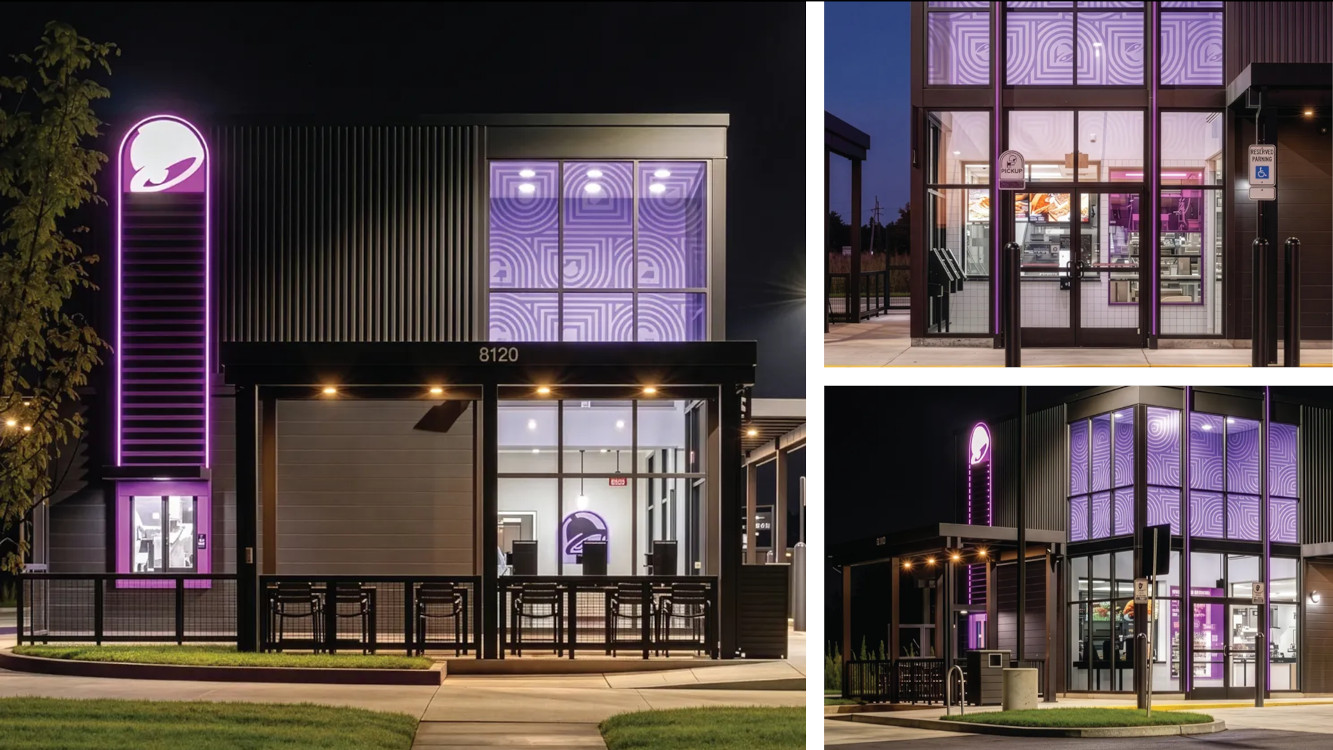
Taco Bell: Modern Designs for Flexible Retail Concepts
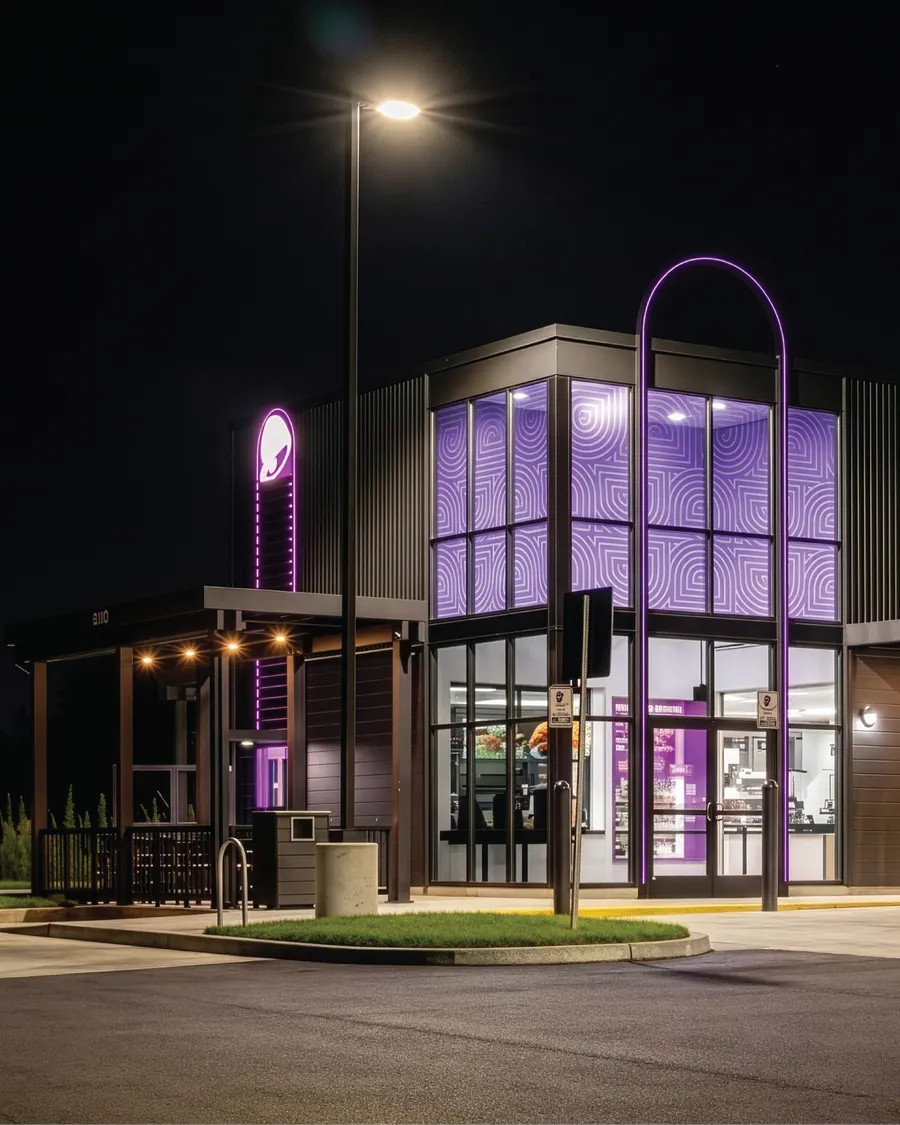
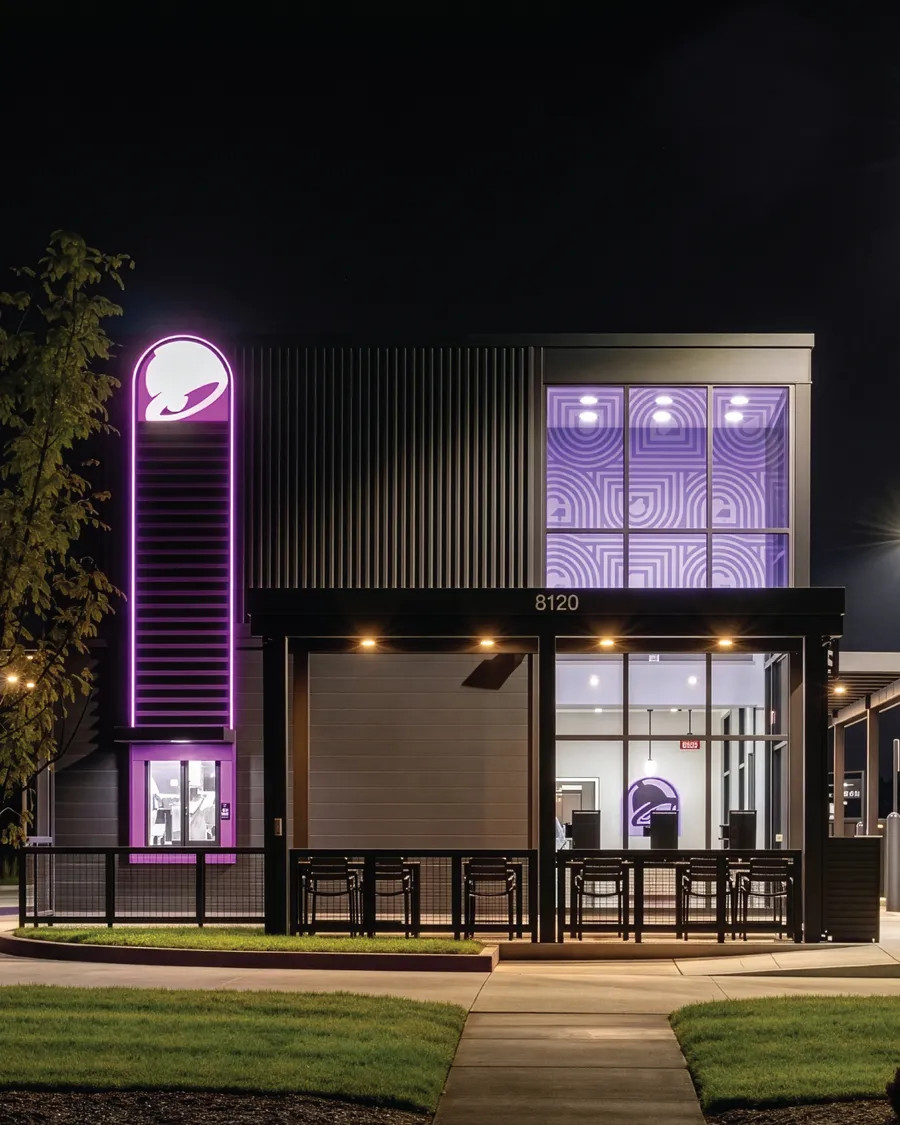
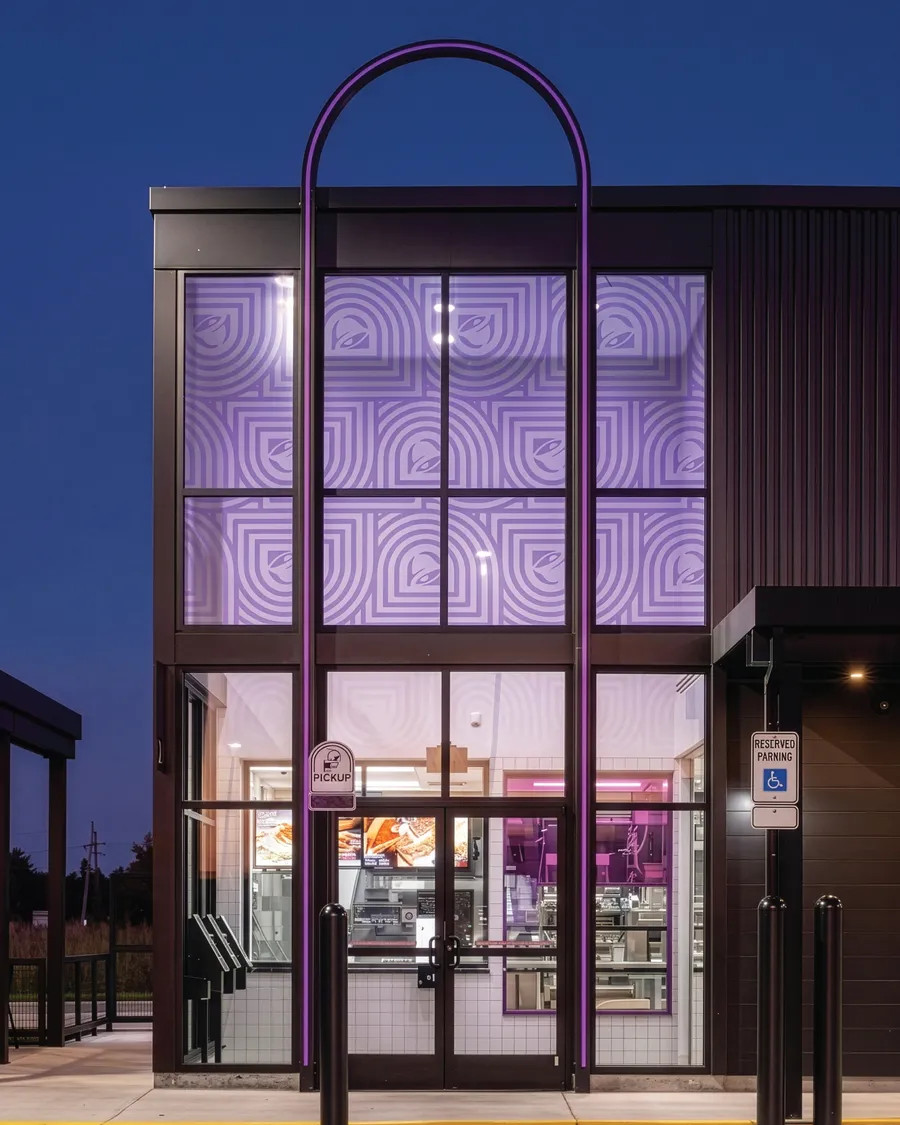
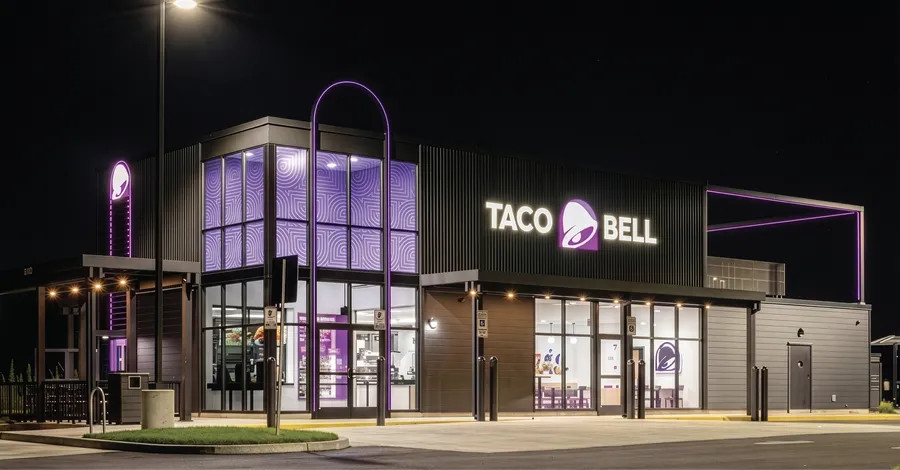
Taco Bell partnered with UK-based design agency Dalziel & Pow to bring its brand values to life through a fresh, modular retail concept. Drawing inspiration from the clean lines of Mid-Century Modern architecture, the design balances efficiency with identity.
The concept integrates digital service touch-points like order kioks, drive thru and digital menu boards in a way that is supposed to feel both logical and human, guiding the customer journey with clear and intuitive touchpoints. Designed with scalability at its core, it can adapt seamlessly – from the smallest kiosk to the most ambitious drive-thru.
From high-impact graphics to flexible, adaptable seating, the concept is designed to flex across a wide range of customer experiences, from a quick five-minute stop in New York to a family gathering in Delhi. The concept is now being rolled out – optimized for enhancing the estate, increasing revenue, and reducing construction costs across Taco Bell sites globally.