
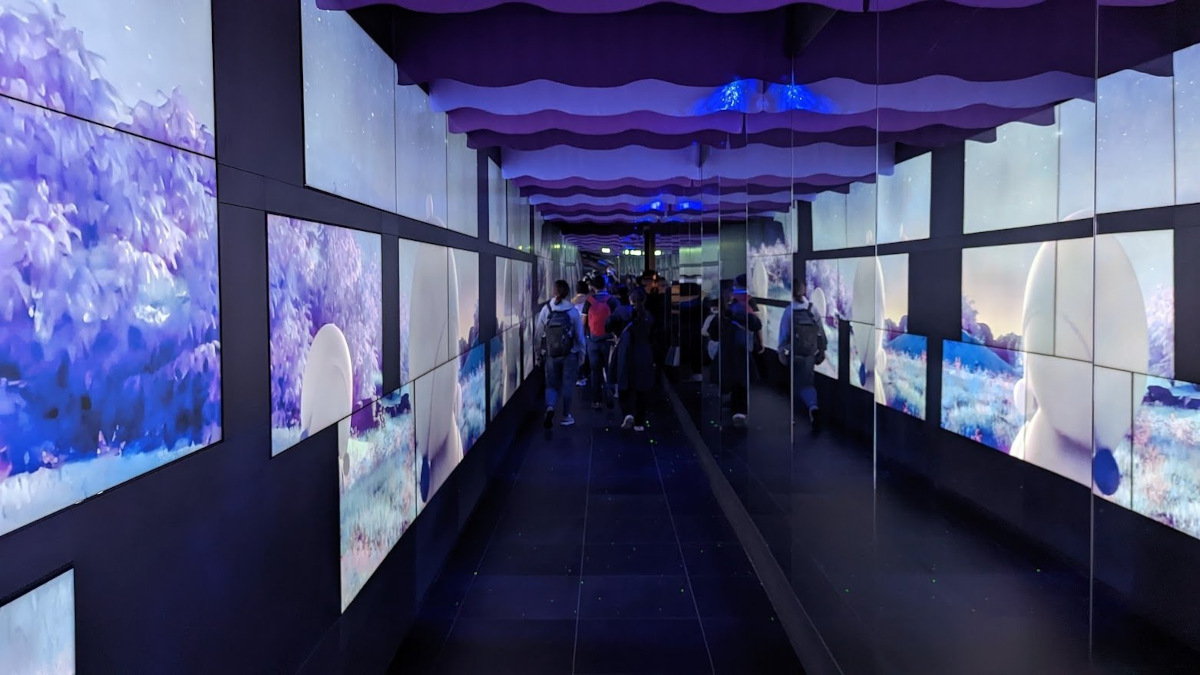
The digital signage sector is shifting away from one-time hardware and software sales toward managed services, echoing the outsourcing trends that reshaped IT. Instead of just deploying displays and CMS platforms, providers are increasingly offering “managed signage” – end-to-end operation and support of digital signage networks.
The model is not entirely new. Aviation was one of the first industries to embrace it, with airports outsourcing IT and digital systems to providers like SITA, which handles everything for their airport clients – installing and managing the entire IT infrastructure, including networks, computers, monitors, check-in kiosks, and digital signage displays in airports around the world. Out-of-home media companies, such as JC Decaux, also operate large-scale networks in public spaces under managed contracts, assuming both operational and business risks.
Full article in the invidis Yearbook
This post is an excerpt from the Managed Signage chapter in the 2025 invidis Yearbook, written by Florian Rotberg and Stefan Schieker. To download the full yearbook, click here.
Retailers and quick-serve restaurant (QSR) chains have followed suit, outsourcing signage and menu board operations to avoid costly downtime. Some global players, such as Lidl or Starbucks, develop their own scaled-down CMS tools to integrate with existing IT systems, effectively creating in-house managed service subsidiaries. In ProAV, fully managed meeting rooms and collaboration systems have already become standard practice.
Market drivers are clear. A Lünendonk/Deloitte study found 77 percent of large businesses work with managed service providers, initially to shift capital expenses to monthly fees, but increasingly to address cybersecurity, scaling, and talent shortages. Although major display manufacturers like Samsung, LG, and Philips provide their own management tools for digital signage, for most companies outsourcing enables efficiency, flexibility, and expert oversight, which are key considerations when failure can result in lost revenue or closed terminals.
Remote device management (RDM) has become an essential backbone of managed signage, with vendors like SignageOS setting benchmarks for remote diagnostics and analytics. For digital signage integrators, this growing demand presents a major opportunity to reposition themselves as managed service providers, capable of supporting networks of all sizes.
(Image: invidis)