Stable media player pricing is a thing of the past. The AI boom, geopolitical conflicts, and rising memory prices are reshaping cost calculations, demand, and device selection.
Media Player Prices: How AI and Geopolitics Are Hitting Digital Signage Hardware
For years, digital signage integrators benefited from one of the industry’s rare luxuries: stable media player prices throughout an entire product lifecycle. Once launched, a player’s price often remained unchanged for years, allowing integrators to calculate projects with long-term certainty. Those days are now clearly over.
The ongoing AI boom and geopolitical tensions – most notably the escalation in the Middle East involving Iran – are leaving a visible mark on the digital signage hardware market. Component prices, especially for flash memory, have risen sharply. Double-digit price increases are now the new reality, as invidis learned in background discussions with two market leaders: Brightsign and Giada partner Concept International.
Memory Becomes the Bottleneck
At the center of the price shock is memory. RAM, SSDs, and even SD cards have become significantly more expensive in recent months. Brightsign, which historically managed to keep prices stable for up to four years, has been forced to adjust. Since the beginning of the year, prices have risen by around 15 percent – and some competitors have gone even further.
“We can currently offer our customers about three months of price security,” Marc Schiedl of Brightsign explains. SD cards remain the biggest uncertainty, with prices fluctuating on a near-daily basis. The only reassuring note: Brightsign expects relative stability in its memory pricing over the coming months, assuming no further external shocks.
Concept International, Germany’s leading media player distributor, also had to increase prices – but says the impact has been manageable so far. “We got off lightly because we secured memory early,” says Managing Director Mike Finckh. Still, the company is actively adjusting its portfolio: DDR5 memory prices have increased dramatically – by a factor of five – while DDR4 has “only” tripled. As a result, Concept is currently prioritizing DDR4-based players.
Entry-Level Got Hurt Most
The price dynamics disproportionately affect entry-level players. “In some cases, prices may have doubled,” Finckh notes. In contrast, mid-range digital signage players absorb memory cost increases more easily, as storage accounts for a smaller share of the overall system price.
This shift also helps explain the rising popularity of Android-based players. These typically require less RAM and storage and therefore remain relatively cost-efficient. Concept International also reports strong demand for Yocto-based Linux players on ARM platforms, which support over-the-air updates and offer a lean alternative to traditional systems. Embedded Windows players, by contrast, are losing ground, burdened by high hardware requirements and operating system licensing costs.
Supply Chains Normalize – Demand Softens
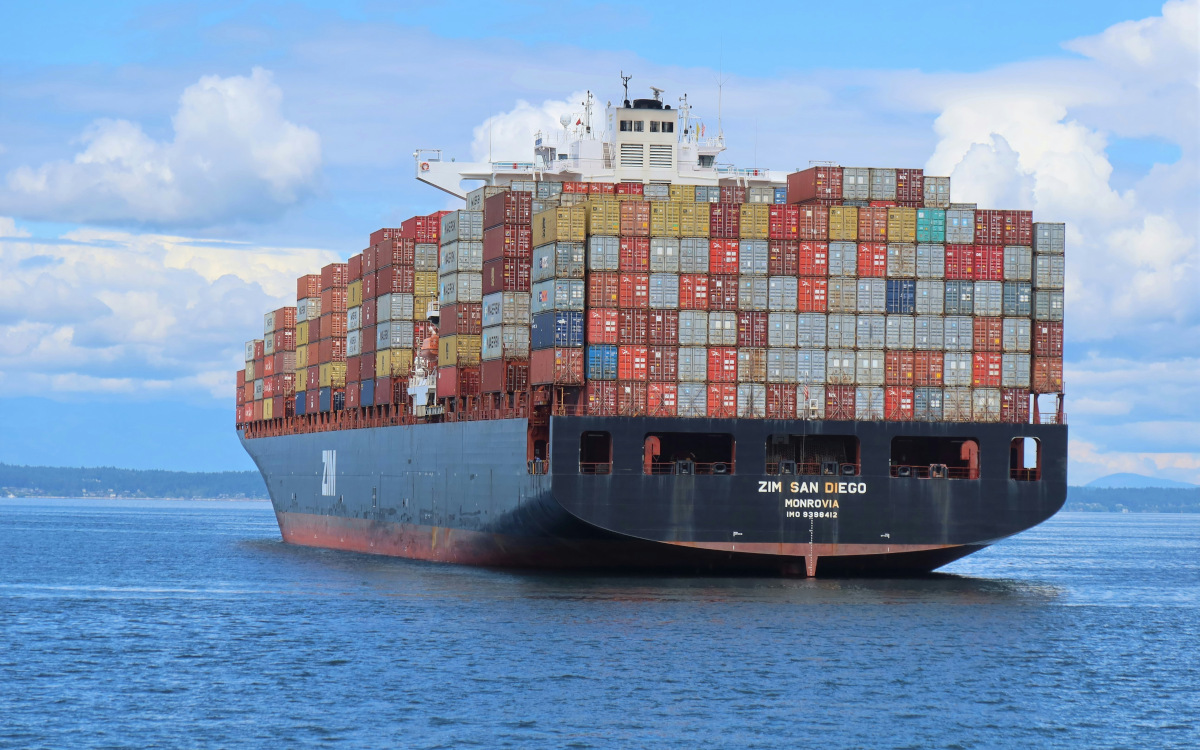
Price is not the only challenge. In recent weeks, delivery delays added to the pressure. Brightsign players assembled in Vietnam were temporarily stuck in containers due to bottlenecks in the Middle East. Those shipments have now reached Europe, and availability across all models has returned to normal.
However, while supply has stabilized, demand is showing signs of weakening. Corporate communication projects in particular are being postponed or rolled out more cautiously. “We don’t see a shift away from external players toward SoCs because of price increases,” says Marc Schiedl. “But projects are being delayed or implemented at smaller scale than originally planned.” Concept’s Mike Finckh seconds: We don’t see mega roll-outs, but continued solid run rate business. Our media player revenue remains stable.
End of Predictability
For integrators, the combined effect of rising prices, reduced price guarantees, and softer demand marks a structural shift. Predictability – a cornerstone of hardware-based business models – is fading. Shorter price commitments, flexible project planning, and alternative player architectures are becoming essential.