
New York City | While Las Vegas celebrates robots and drones, New York focuses on what actually works. At NRF, e‑paper proved it may be retail’s most underestimated screen. An op-ed by Florian Rotberg
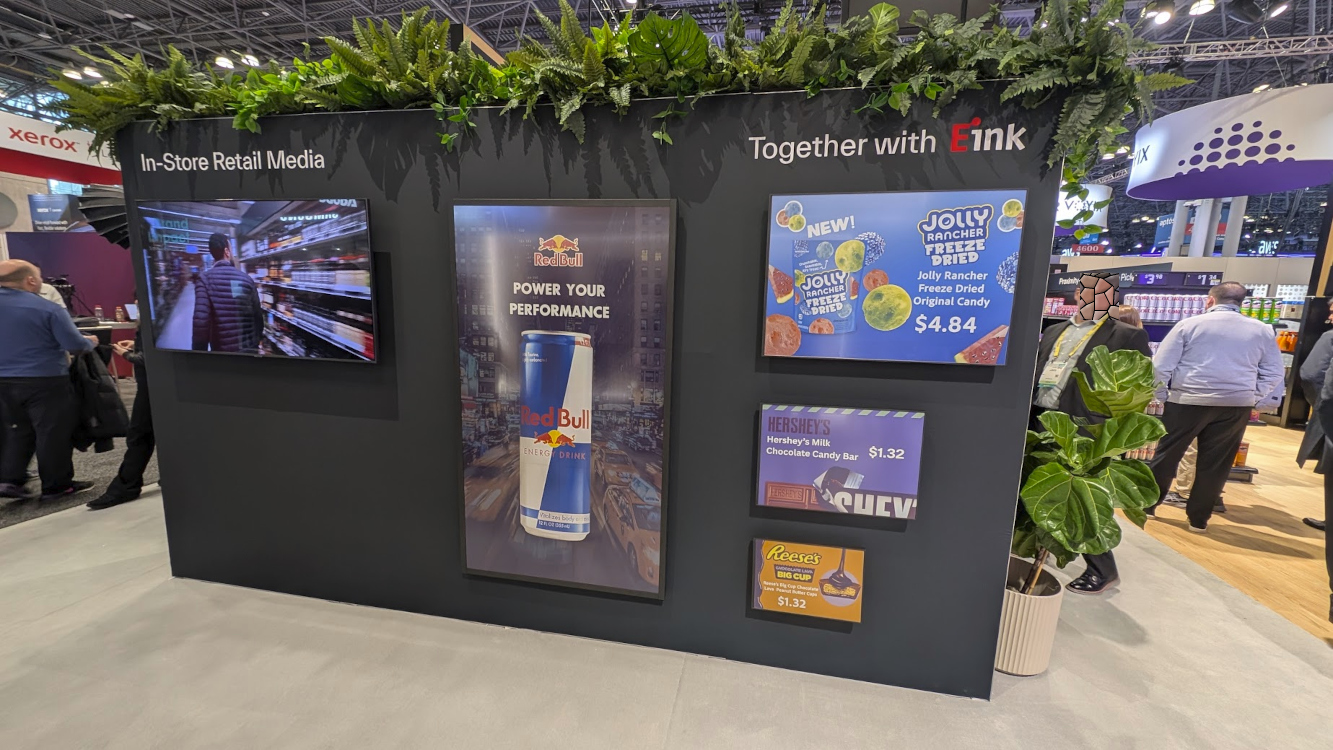
NRF 2026: Retail’s Next Favorite Display Is Surprisingly Calm
Anyone looking for autonomous vehicles, walking robots, or flying drones should have been in Las Vegas last week. CES once again delivered spectacular, often futuristic technologies designed to impress broad audiences and generate headlines. New York, meanwhile, tells a very different story.
NRF is not about spectacle. It never was. The world’s leading retail trade show focuses on B2B applications that extract real value from technologies that already exist. Platforms, solutions, and services at the intersection of e-commerce and physical retail dominate the halls. These are business-critical topics – but not easy to visualize on a show floor.
CES dazzles, NRF delivers
And yet, one hardware technology stands out. Not flashy. Not animated. But perfectly suited as a physical bridge between cloud-based systems and shoppers on the shop floor: the e‑paper display.
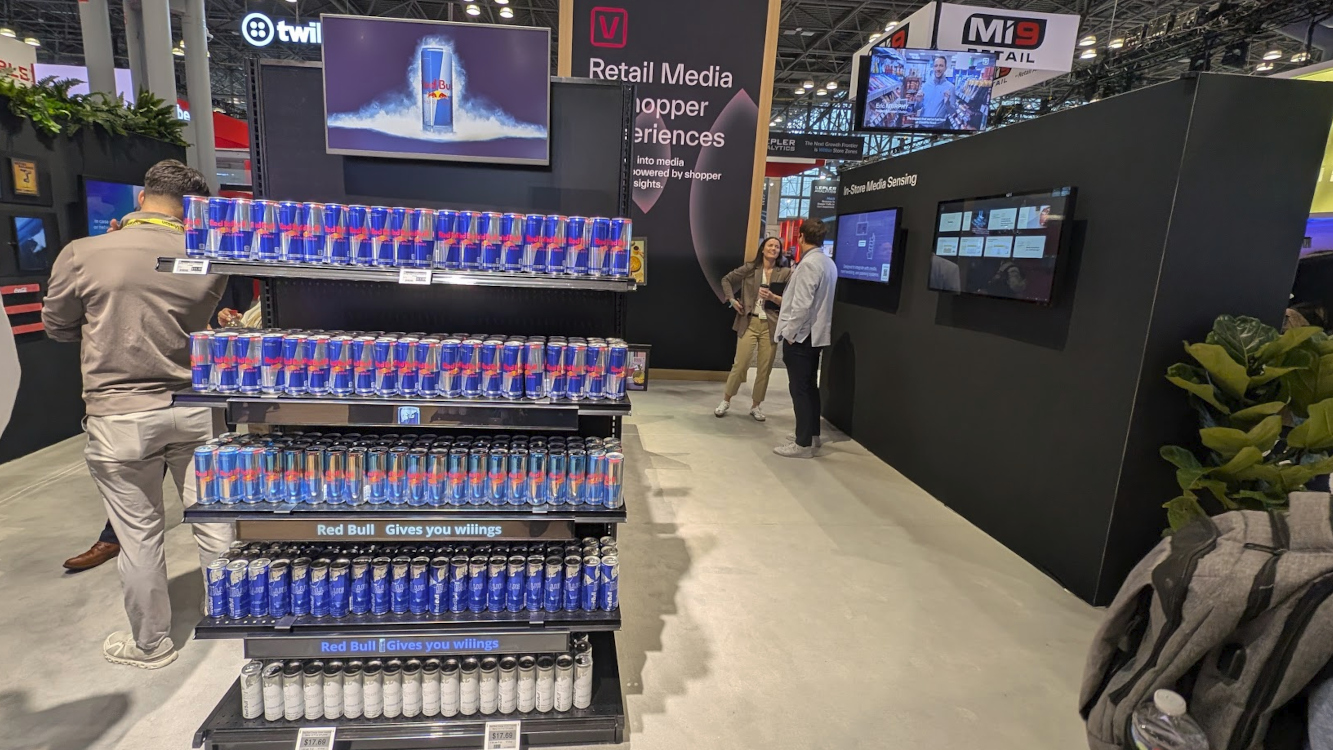
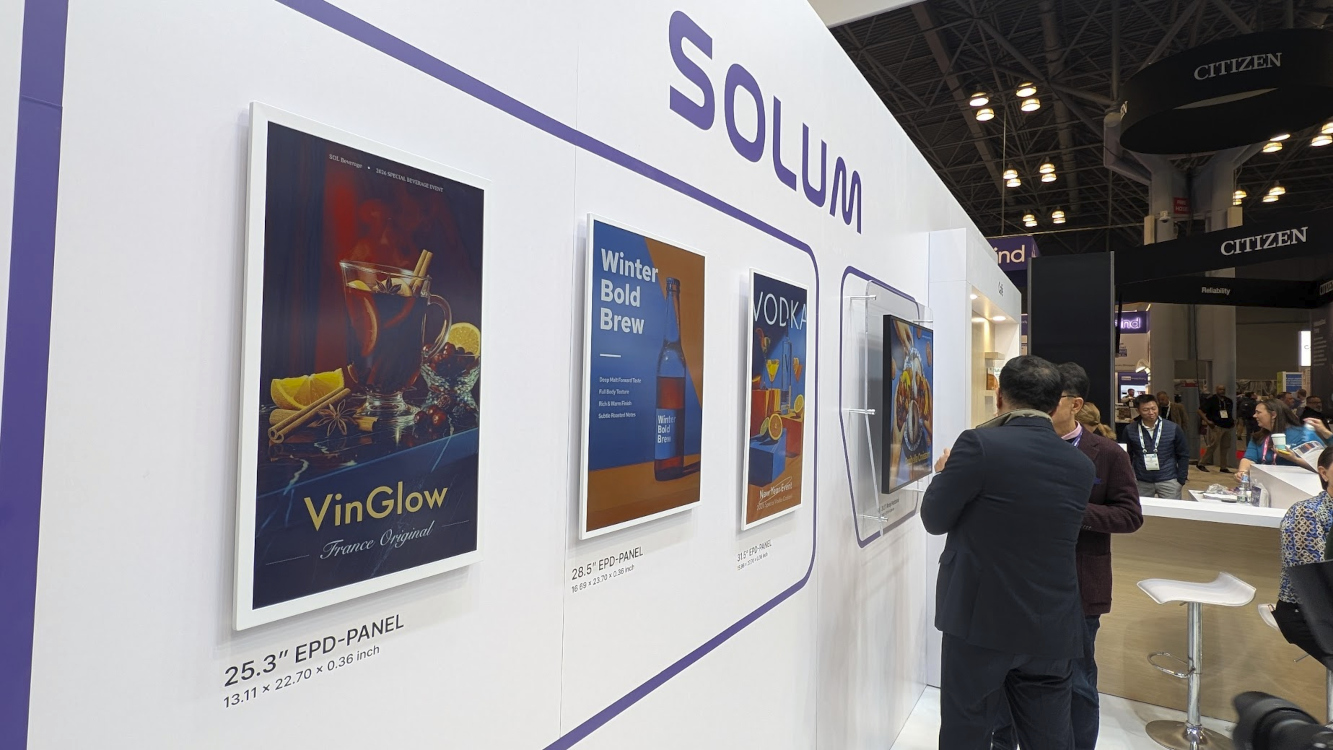
No other display technology is as omnipresent in New York as e-paper – and it may well be the show’s secret star. E‑paper in all sizes, shapes, and colors are showcased across several booths. Quietly, but persistently, e-paper displays are stealing the spotlight.
Retail, to be fair, is the vertical market that has the most experience with e‑paper. The success story began years ago with electronic shelf labels. ESLs proved that battery-powered, networked information displays could scale reliably in thousands of stores. Today, e‑paper-based price labels have clearly come of age.



The rise of a very quiet star
Yes, some of the eye-catching show highlights are still not perfect: digital posters now reach up to 86 inches, but they are limited in color reproduction and currently priced for Fifth Avenue flagships rather than suburban supermarkets. Large-format e-papers attract attention – and rightly so – but they are not the real story (yet).
The real stars are the medium-sized displays – roughly 13 to 32 inches – mounted on and above shelves. In this format, they function not just as signage, but as dynamic information layers that connect pricing, promotions, and – ideally – as elements of future retail media networks. This is where e‑paper can play out its strengths: low power consumption, excellent readability, and permanent visibility without visual noise.
Digital signage specialists and RMN experts tend to view e‑paper with skepticism. And they are not wrong. No video. No rapidly changing campaigns. No integrated sensors for performance measurement. From a classic RMN business-case perspective, e‑paper is almost the opposite of what media buyers want.
But that misses the point of what NRF actually showcased.
E‑paper displays – more than 90 percent of the base technology is supplied by market leader E Ink – are perceived as positive screens. For both retailers and consumers they signal usefulness, calm, and credibility. E-paper stands for information and orientation, not distraction and entertainment.
E‑Paper vs. RMN: a category error
Trade fair booths are always “better than reality.” Scenarios are amplified, idealized, sometimes exaggerated. E‑paper looked perfect in New York – and of course everyday retail is more complex. But the direction is unmistakable.
LCD and LED screens will continue to dominate retail media networks and campaign-driven communication. No one is questioning that. E‑paper is not here to replace RMN screens. It will replace printed posters. Permanently. And it will reshape everyday digital signage much more profoundly than many expect.
Looking ahead, the technology gap may narrow faster than critics assume. Prototypes already exist that can play video on e‑paper. Not smooth, not cinematic – but functional. When that becomes commercially viable, e‑paper could combine low-energy permanence with limited motion. Perhaps the best of both worlds.
Often the quiet technologies have the loudest long-term impact.