At CES 2026, Hyundai, LG Electronics, Samsung and Doosan are moving AI beyond software and screens and embedding AI directly into machines that can perceive, decide, and act in the physical world. Physical AI marks the shift from AI that only processes information to AI that interacts with its environment.
CES 2026: Robots Bring AI into the Physical World
AI has come a long way from Analytical AI, to Generative AI, Agentic AI and soon Physical AI. Some of Korea’s leading industry groups present their latest innovations at CES.
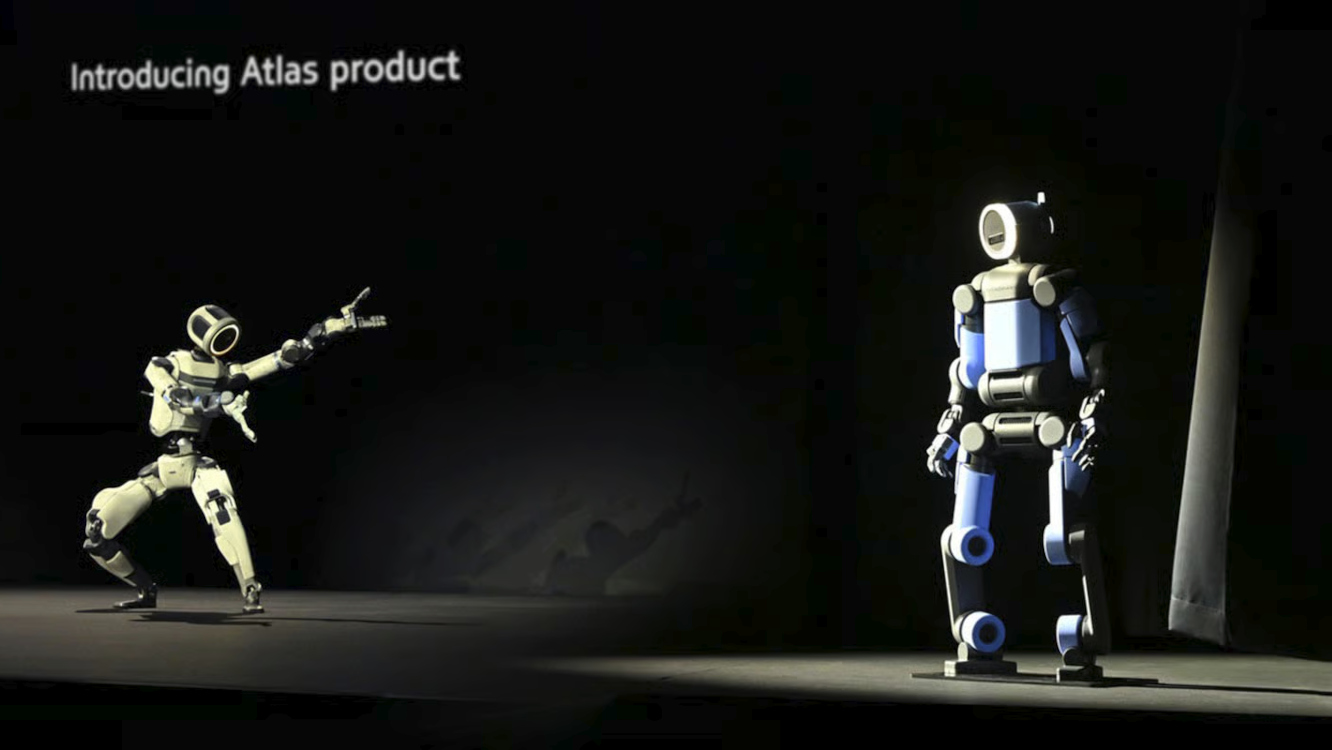
Hyundai Motor is showcasing the shift to Physical AI with the live public debut of the next-generation Atlas humanoid robot from subsidiary Boston Dynamics. Fully electric and powered by learning-based control, Atlas replaces robots with pre-programmed movement with reinforcement learning, allowing it to refine actions through experience.
LG Electronics is applying physical AI to everyday life. With the humanoid home robot CLOiD, LG is pursuing its vision of a “zero-labor home,” where AI not only connects appliances but also performs physical household tasks.
In parallel, Doosan Robotics is demonstrating the industrial relevance of physical AI with its Scan & Go system – combining robotics, autonomous mobility, and 3D vision for inspection and surface processing of large structures. Samsung completes the picture with its ecosystem-driven approach to AI in consumer and home appliances. Under the theme “Your AI Companion for Everyday Life,” AI becomes a practical enabler of physical actions, such as automated food management via the new Bespoke AI Refrigerator.