
After years of enthusiasm, pilots and inflated expectations, one question continues to haunt in-store retail media: how much incremental value does it create? At CES 2026, Albertsons Media Collective is positioning itself as one of the first US grocery retailers ready to provide a convincing answer.
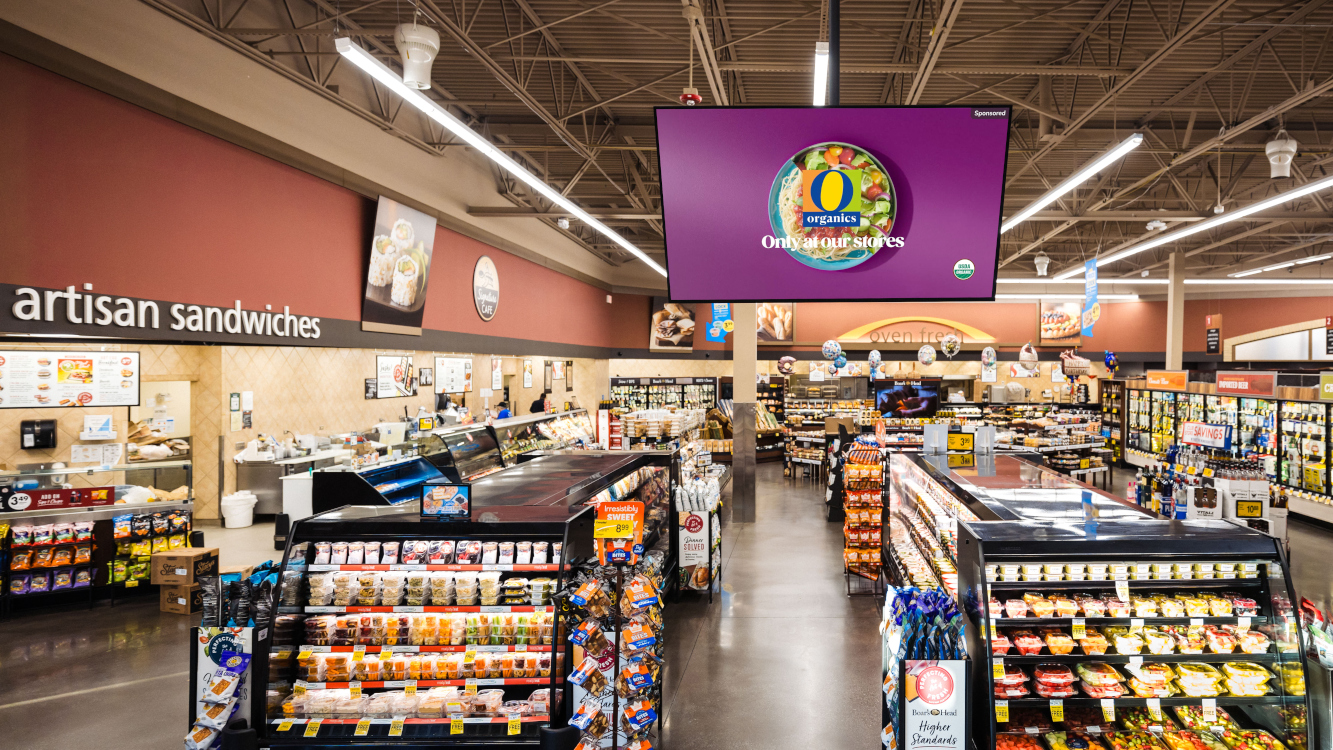
CES 2026: Albertsons Wants to Prove What In-Store Retail Media Really Delivers
Albertsons is rolling out a new in-store incrementality measurement framework designed to isolate the true sales impact of in-store digital advertising. The goal is clear: move the debate away from correlation-heavy attribution models and toward statistically validated proof of “net-new” sales generated by in-store media.
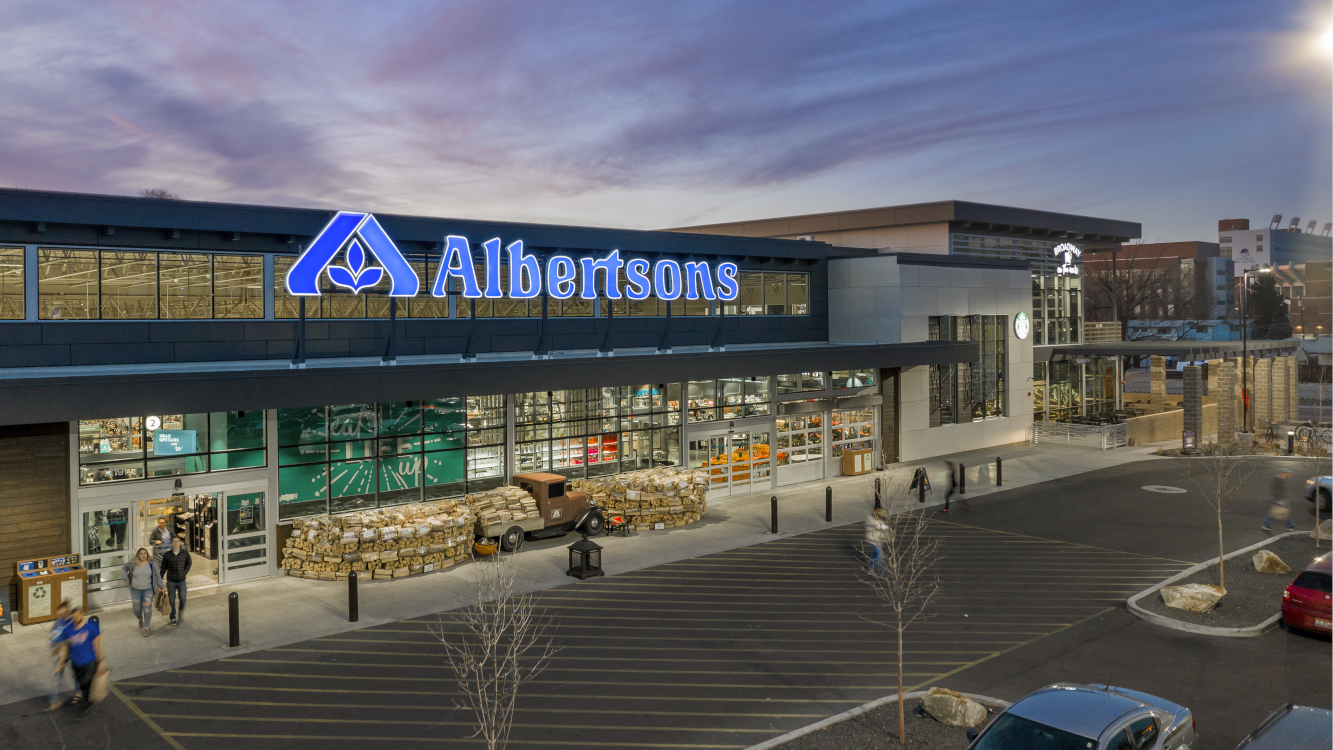
Moving Beyond Correlation
In-store media has always operated at a disadvantage compared to online and app-based channels. There is no login, no cookie, no deterministic user identity. As a result, many measurement approaches rely on proxy signals or post-purchase correlations that inevitably overstate impact.
Albertsons Media Collective’s new approach adopts a matched market methodology at store level. Test stores running in-store campaigns are compared against a carefully matched set of control stores with no media exposure. The difference in performance between the two groups represents the incremental lift attributable solely to advertising.
NRF The Big Show 2026 – North America’s leading retail tech event takes place 11-13 January in New York City. Florian Rotberg will be on site to bring invidis and sixteen-nine readers the latest news from the showfloor and the conferences.
The framework reportedly uses nearly 60 variables for store matching, reducing bias and statistical noise and allowing the model to estimate a robust counterfactual: what would have happened without media. The result is a causal measurement of incremental sales, orders and unit lift – not just attribution credit.
This is not entirely new in theory, but it is still rare to see it applied consistently at scale in physical retail, especially across diverse grocery formats and in-store touchpoints such as deli or pharmacy screens.
Retail Media’s Measurement Blind Spot
For the broader retail media industry, this announcement addresses a long-standing credibility gap. While onsite and offsite retail media has rapidly adopted incrementality models, in-store media has lagged behind, largely because measurement is operationally complex and requires strong infrastructure.
Albertsons is in a privileged position. With its in-store digital display network already live and more than 50 advertising partners on board, the company can now link exposure to store-level outcomes in a statistically controlled way. Stratacache provides not only the digital signage infrastructure but also the ad tech platform and RMN expertise required to operationalize measurement at scale.
Proof Point: Mondelēz
In beta testing, Mondelez promoted Sargento Cheese Bakes, integrating in-store digital screens with high-engagement onsite and offsite media in 116 Albertsons stores. Measured using Albertsons’ matched-market methodology, the campaign delivered a USD 2.41 matched-market iROAS, a 1.5% conversion rate, more than 5.5 million impressions, and a 14% lift in in-store sales.
Scaling the Physical Network
Albertsons Media Collective plans to expand its in-store digital fleet by around 800 additional stores in 2026, reaching scaled coverage across 10 divisions. As networks grow, so does advertiser scrutiny. Measurement accuracy becomes a prerequisite for sustainable media revenue.
Interestingly, this push also highlights a transatlantic contrast. Unlike Europe – where grocery-led in-store media networks are more mature and broadly accepted by advertisers – US grocery retailers are still catching up in both screen penetration and advertiser confidence. Albertsons’ move can be read as an attempt to close that gap and set a new US benchmark.