
Taipei | Touch Taiwan delivers a preview of what’s next for digital signage: from transparent CoG MicroLED and 3D displays to ultra-efficient LTPS and curved ePaper. At the heart of it all, suppliers like AUO and Innolux show how component innovation in Taipei will soon shape products from Samsung, LG, and the entire global display industry. An invidis on-site show report.
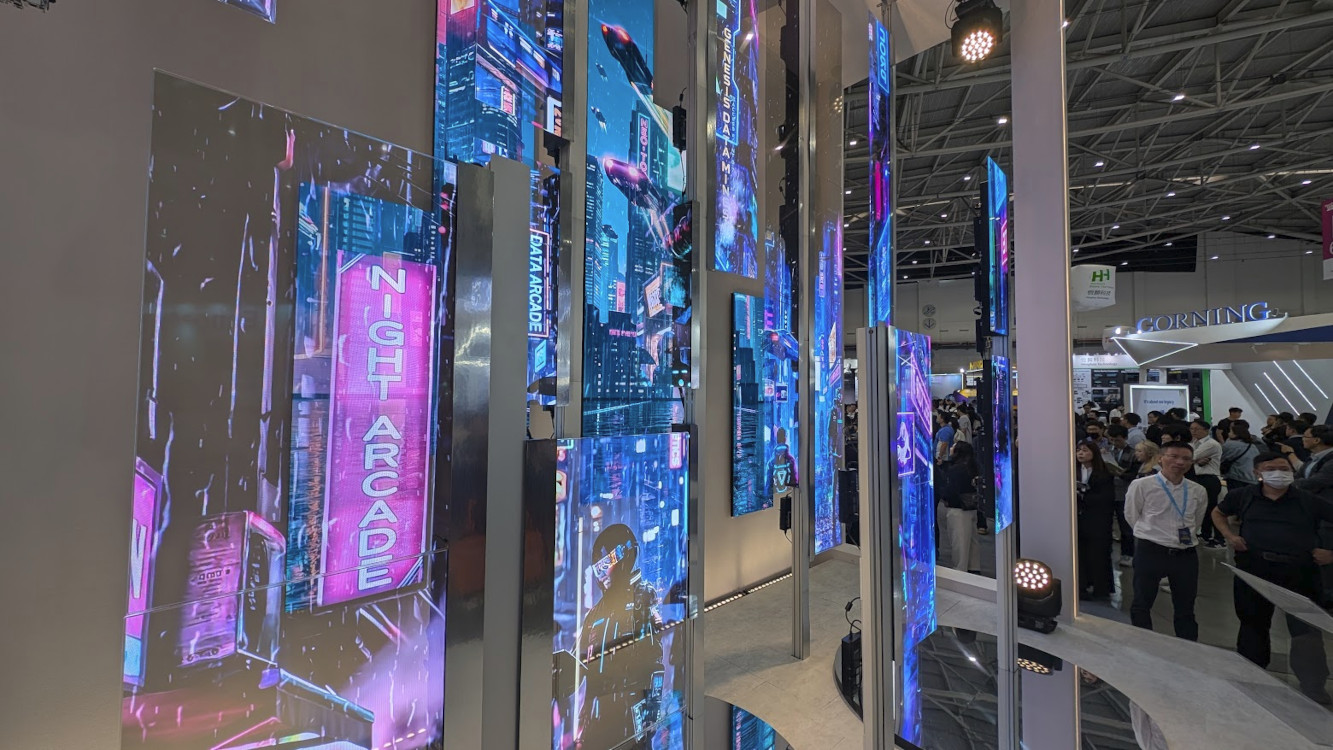
Touch Taiwan: A Glimpse into the Future of Displays
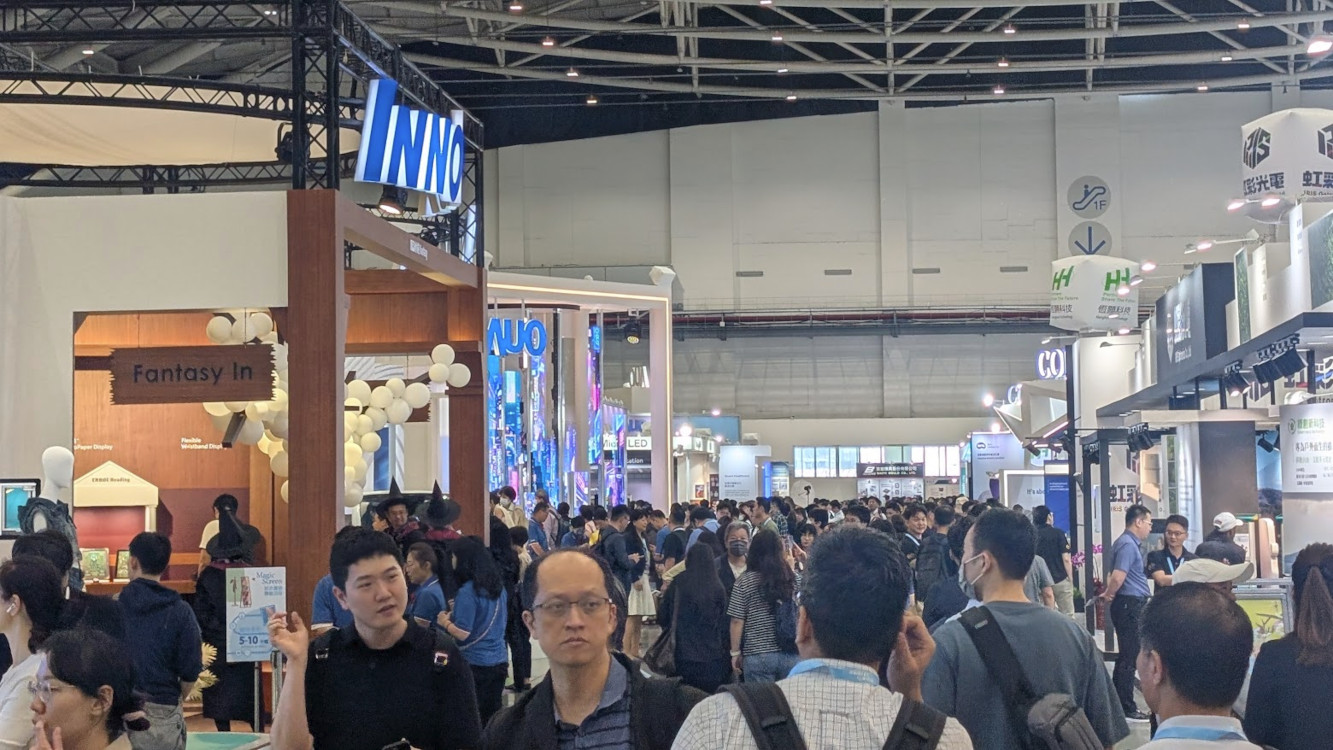
What will define display technologies in the years ahead? This week’s Touch Taiwan trade fair in Taipei offers cool inspirations. As one of Asia’s most important gatherings for display components and materials, the event provides a preview of innovations that will soon shape digital signage products from the world’s leading display brands.
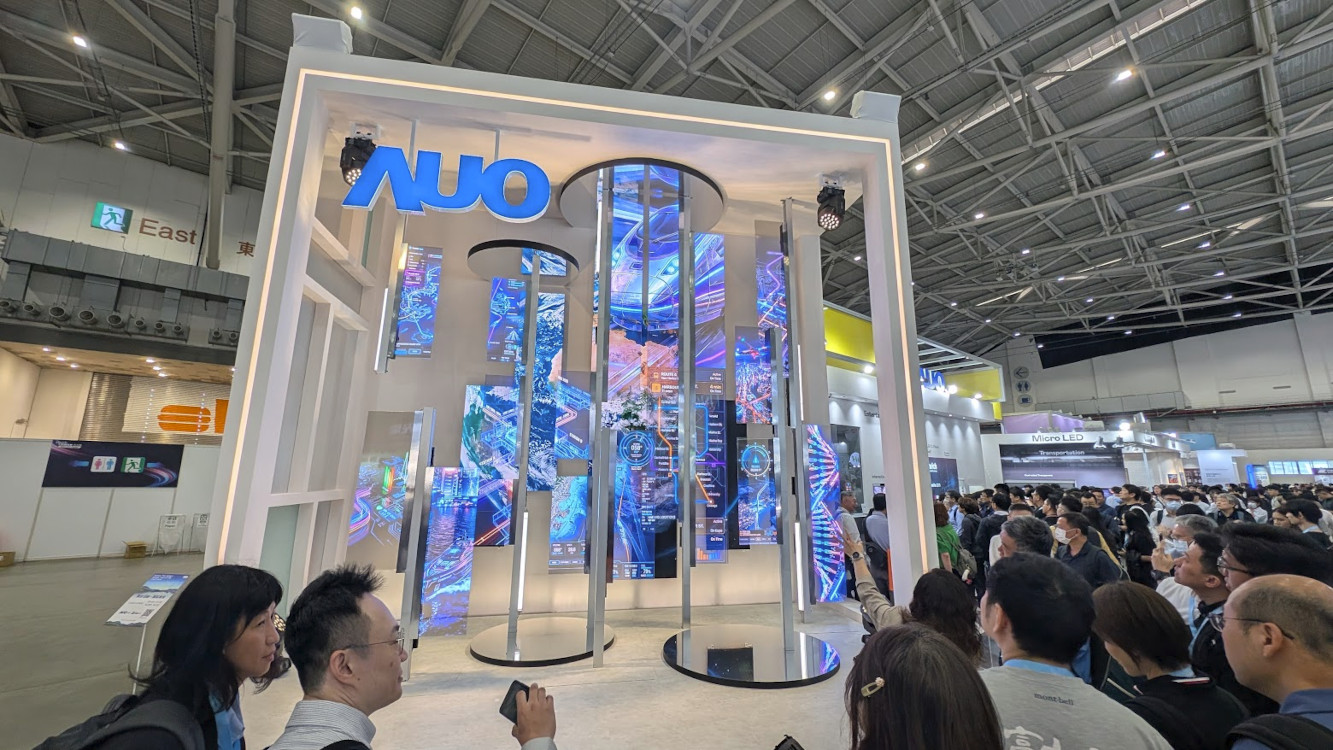
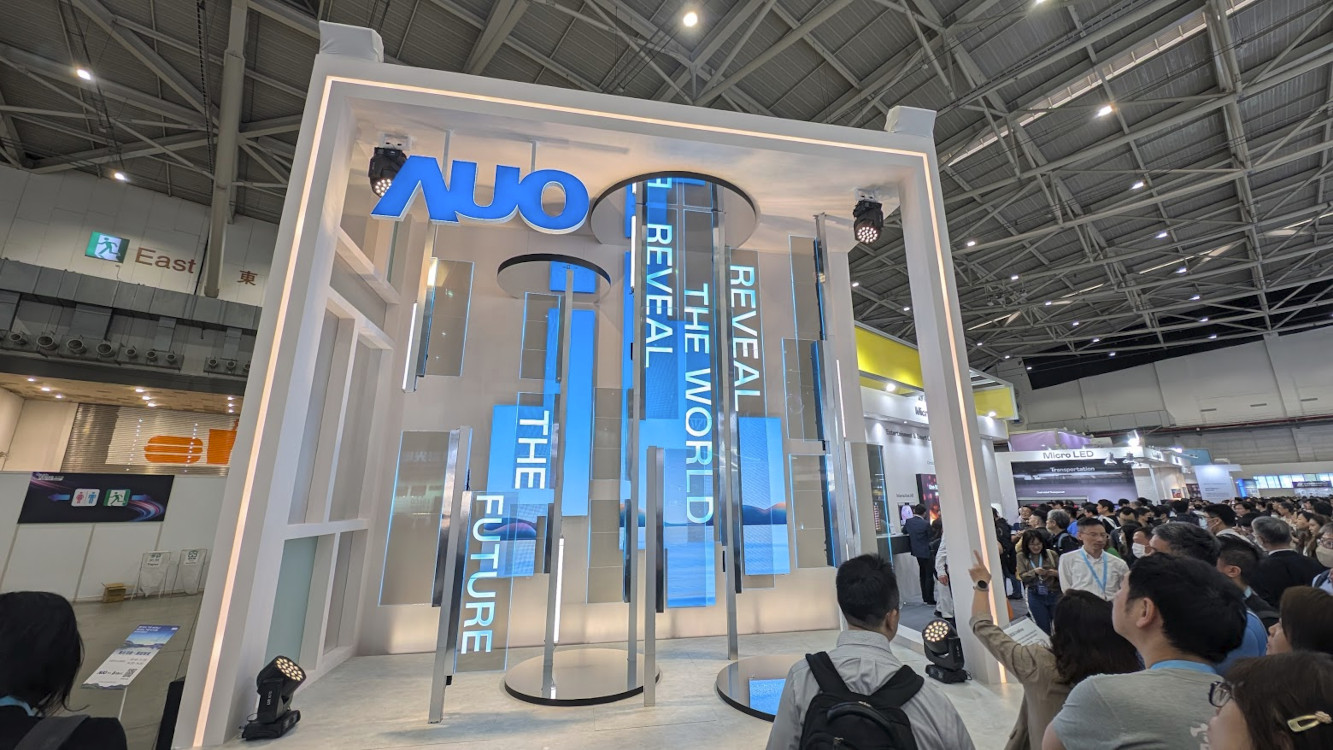
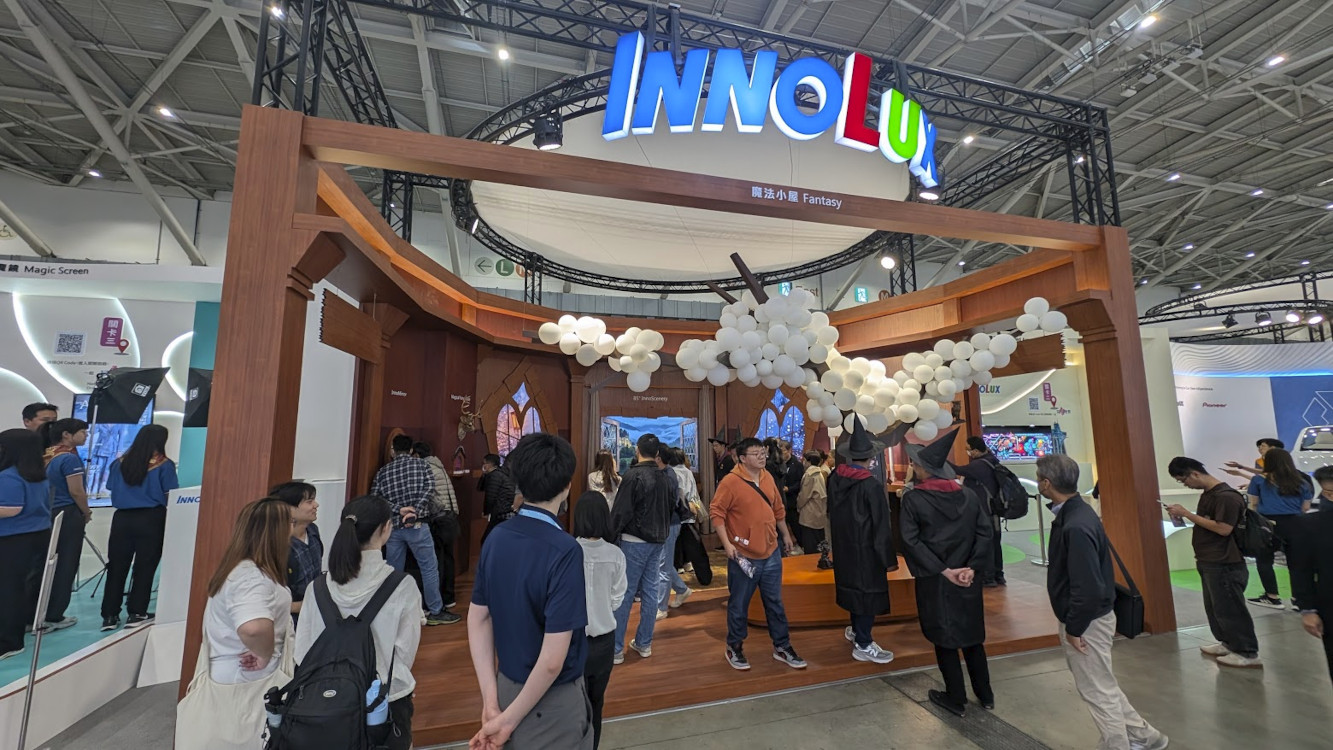
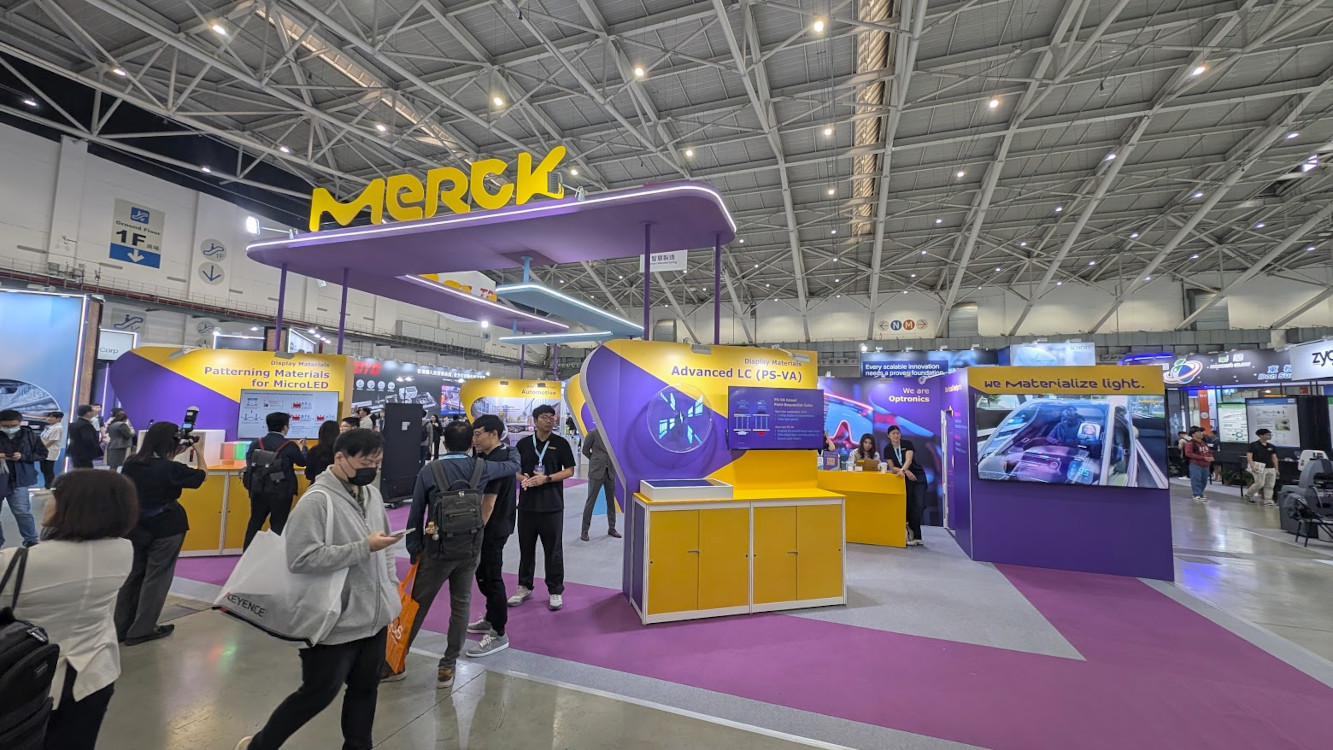
Taiwanese component heavyweights AUO and Innolux are once again at the forefront, presenting new ideas and use cases that underline the role of display manufactures as key innovation drivers for the global display industry. Alongside them, international glass manufacturers are showcasing new display form factors. Glass remains the essential substrate for LCD, OLED, and increasingly Chip on Glass (CoG) MicroLED solutions. Also looking ahead is German specialty chemicals group Merck, the global market leader in liquid crystal materials – still the fundamental building block of most display technologies.
Much of what is on show in Taipei will eventually find its way into digital signage portfolios from Samsung, LG, and other major display brands. After all, these manufacturers rely heavily on components and technology developed by AUO, Innolux, and their peers.
While digital signage remains a key application, displays are becoming ever more central in other industries – most notably automotive, where new form factors, transparency, and curved displays are increasingly in demand.
Key trends shaping the coming years
If component suppliers have their way, CoG MicroLED will be one of the defining technologies of the future. Ideally transparent, early development solutions have already been shown at recent ISE trade shows, hinting at new possibilities for both signage and architectural integration.
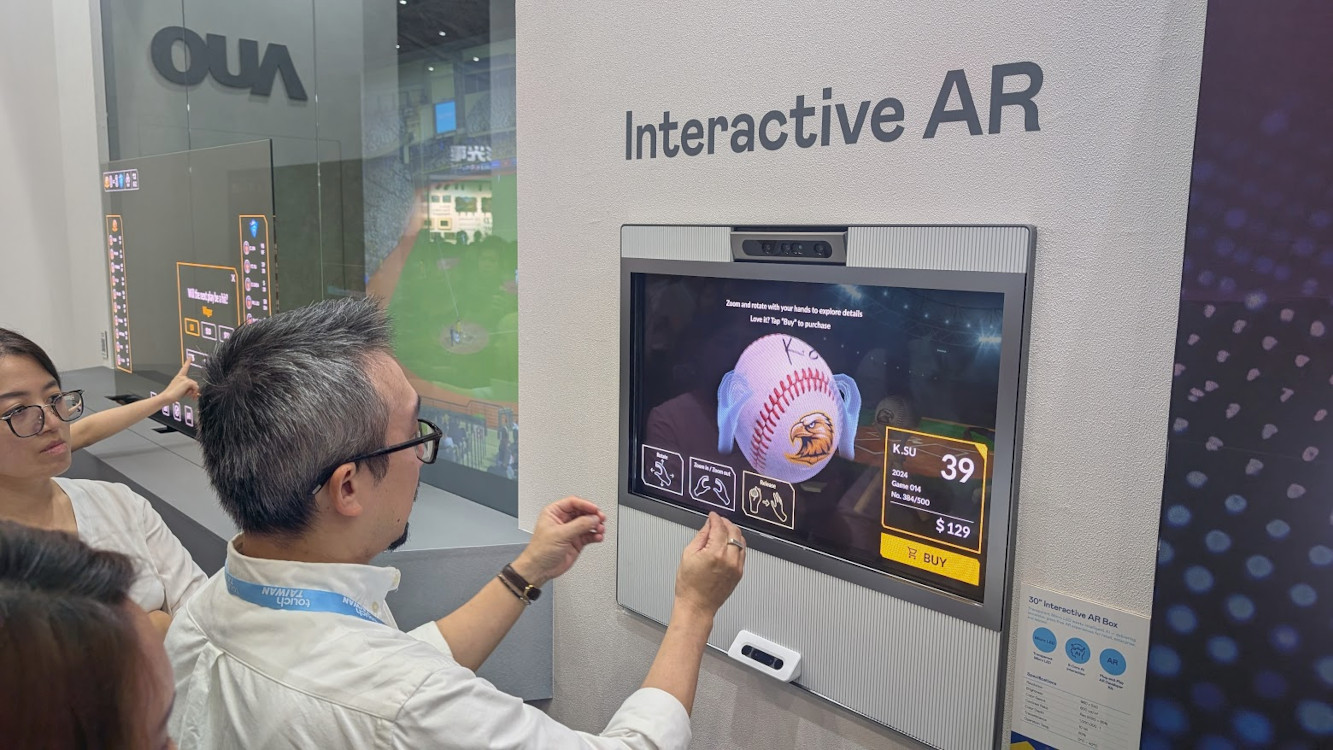
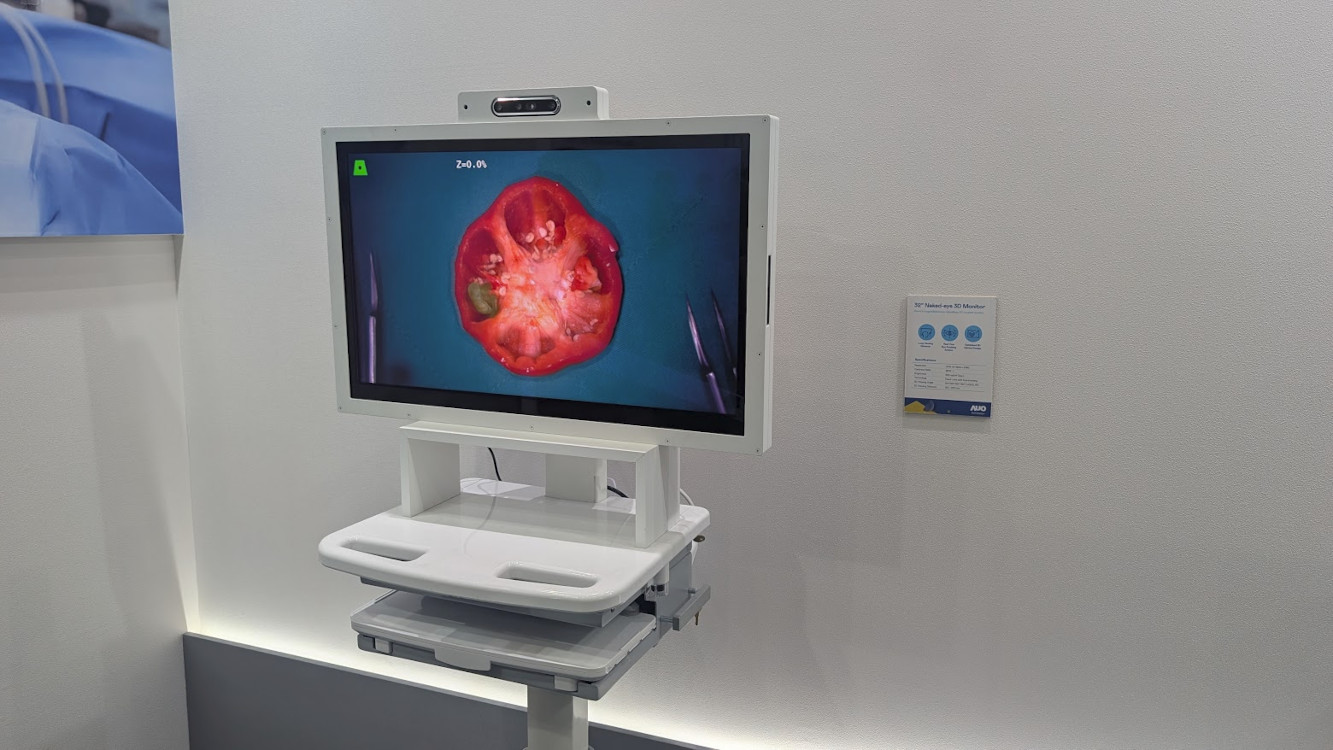
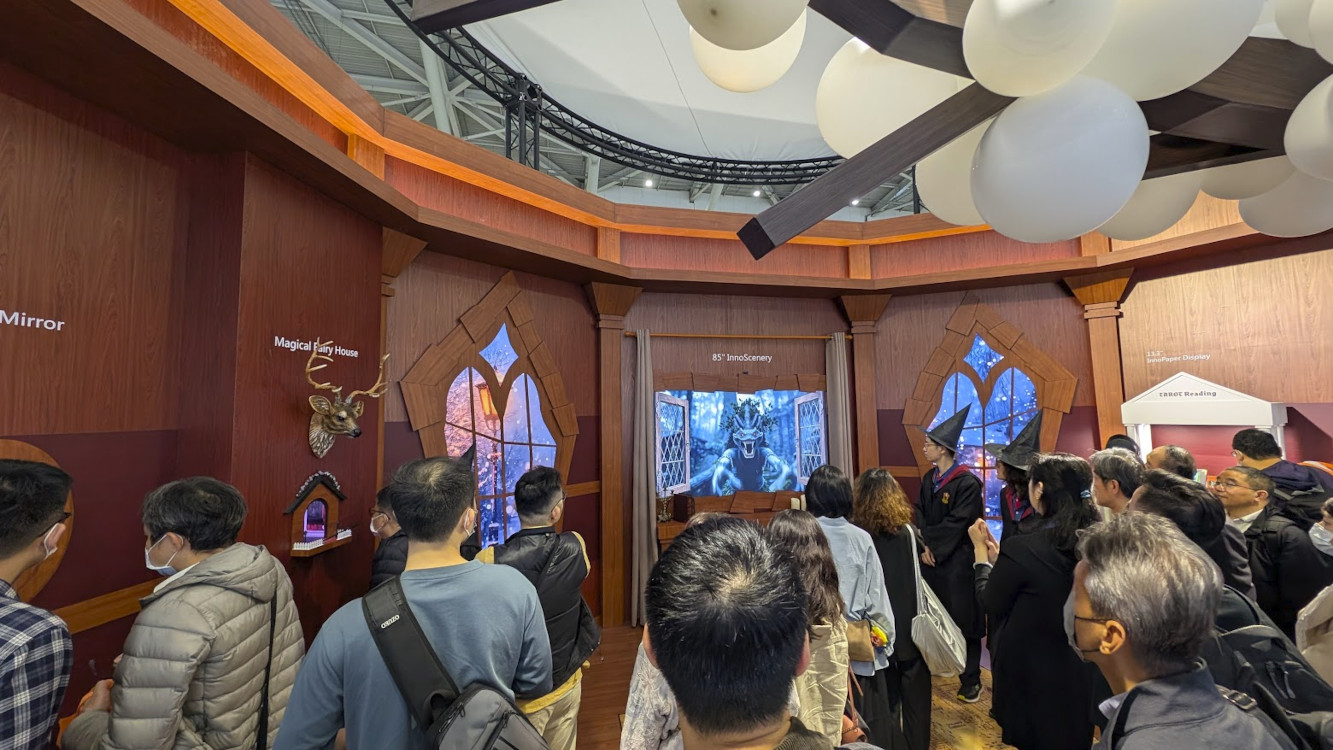
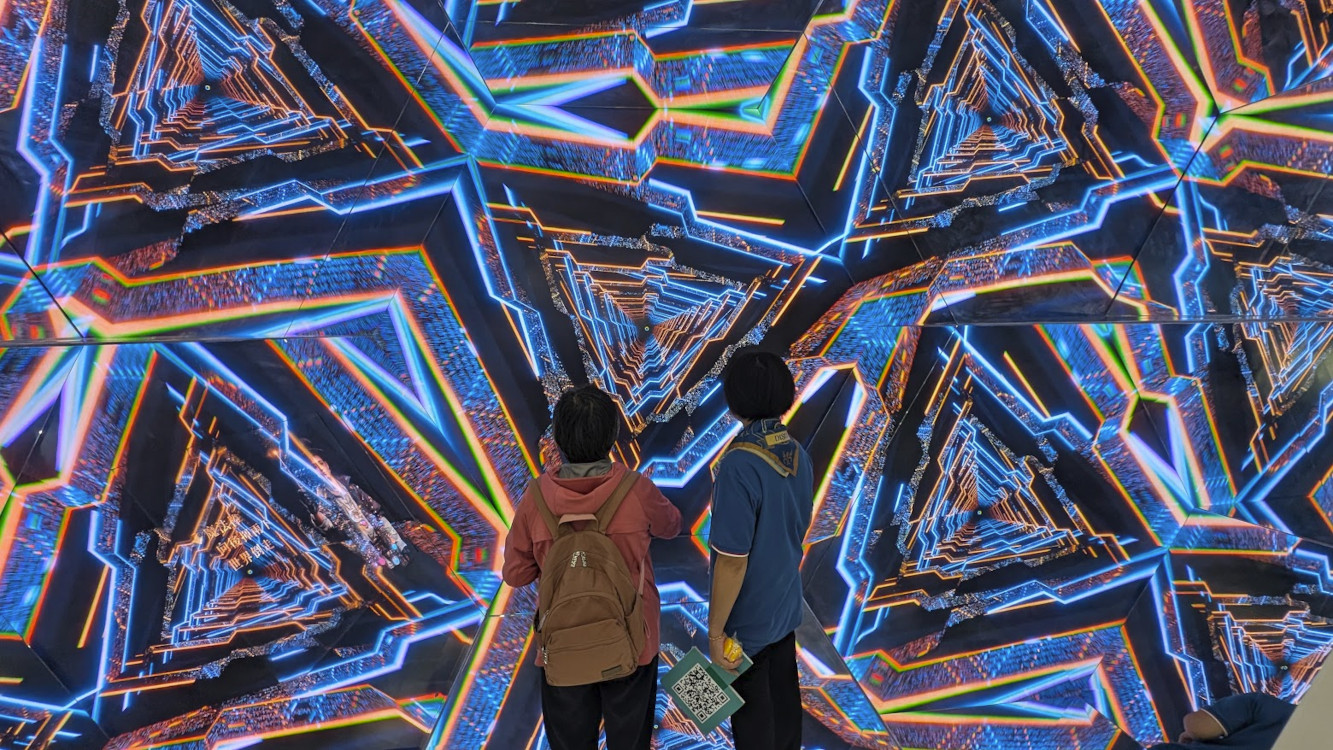
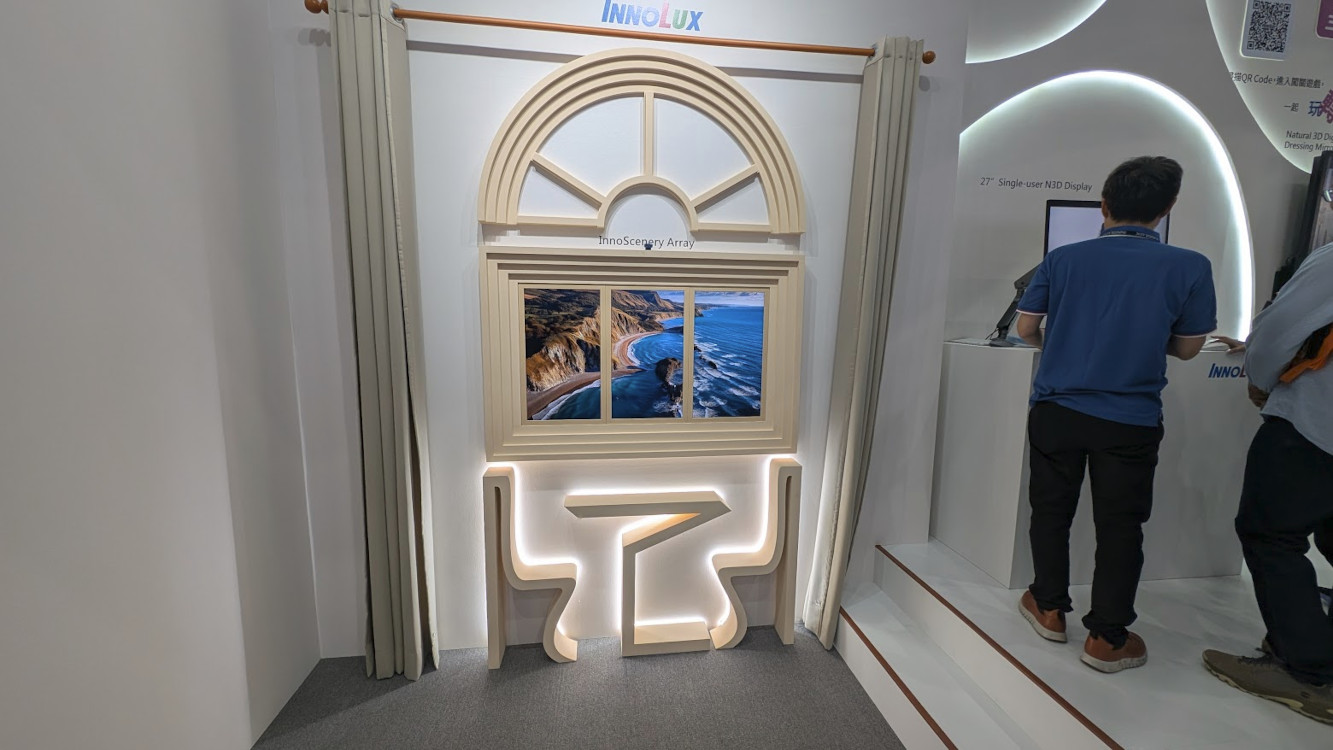
Another major trend is 3D display technology in its many variations. These range from small-scale applications, such as sensor-driven 3D for medical use, to naked-eye 3D for retail and large-format installations. In some cases, subtle 3D effects work subconsciously to attract attention; in others, immersive single-user experiences are the goal. For large displays, suppliers are focusing on special optical films applied to LCD panels – an approach already commercialised by Samsung with its Spatial Display.
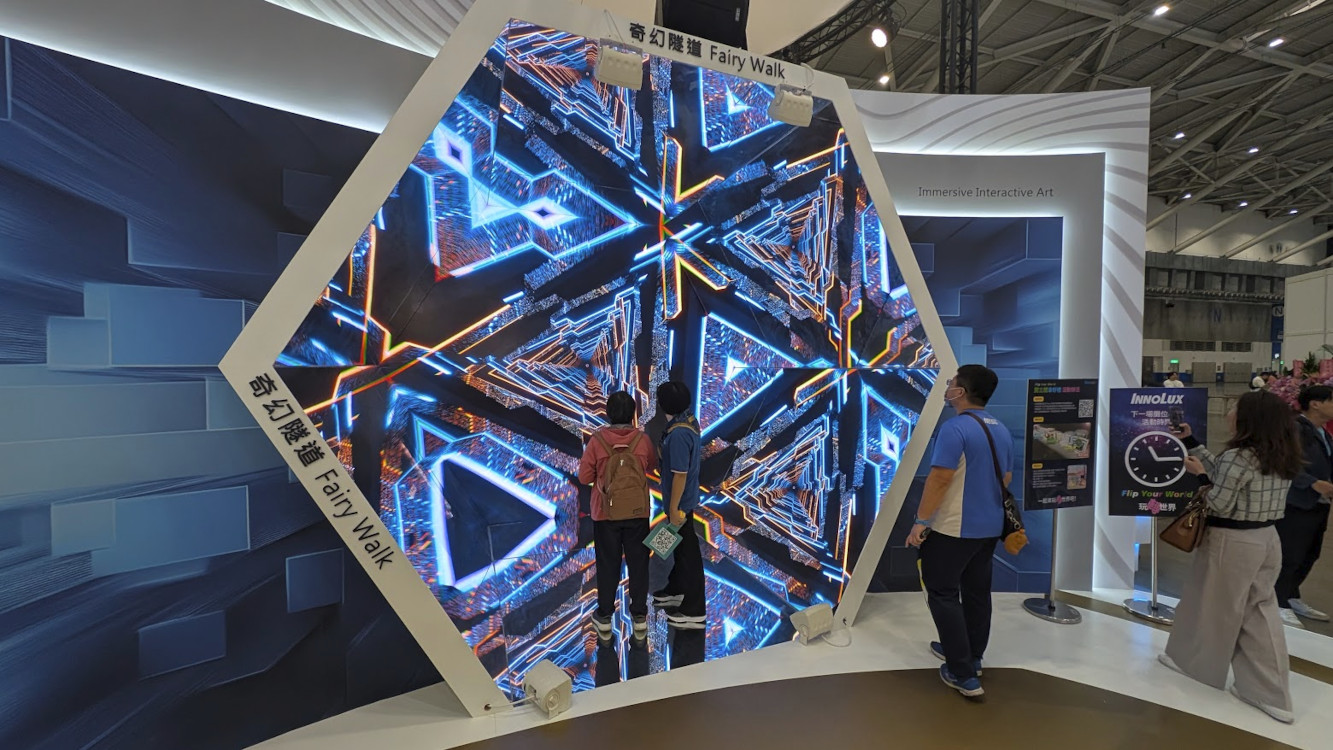
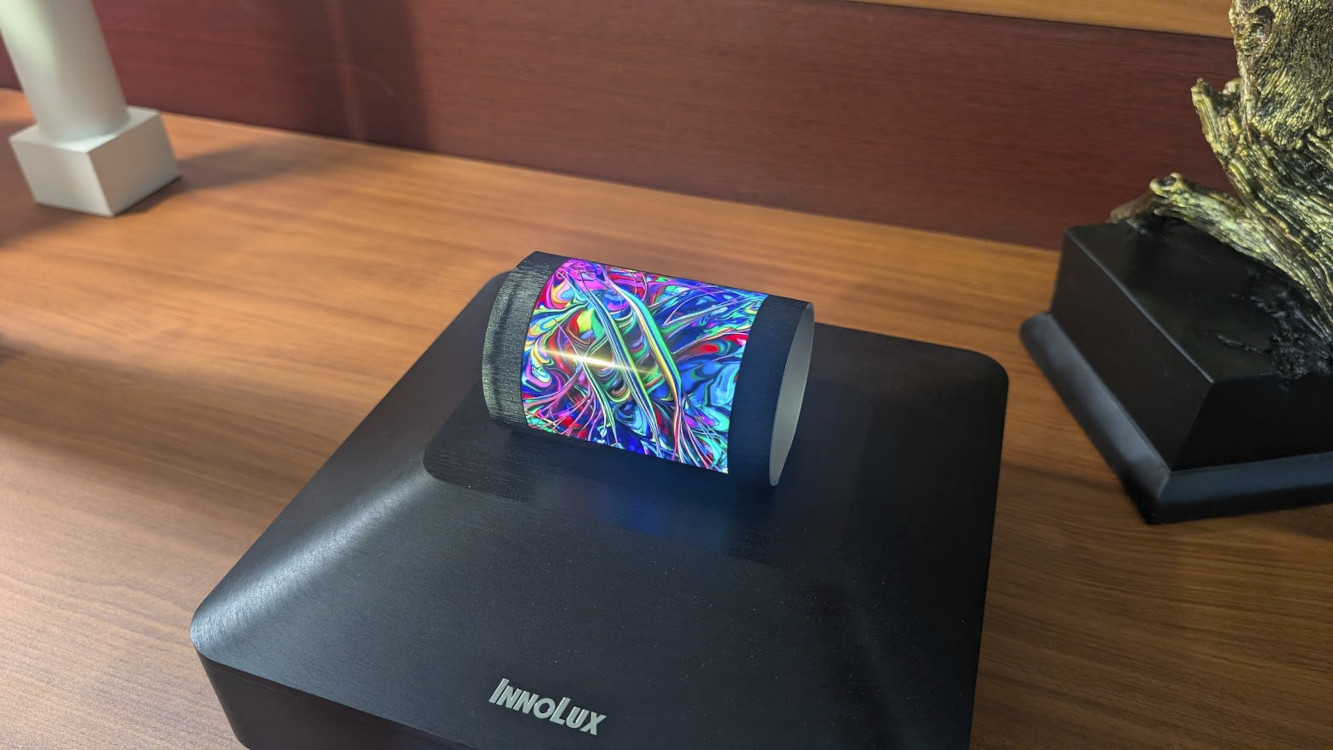
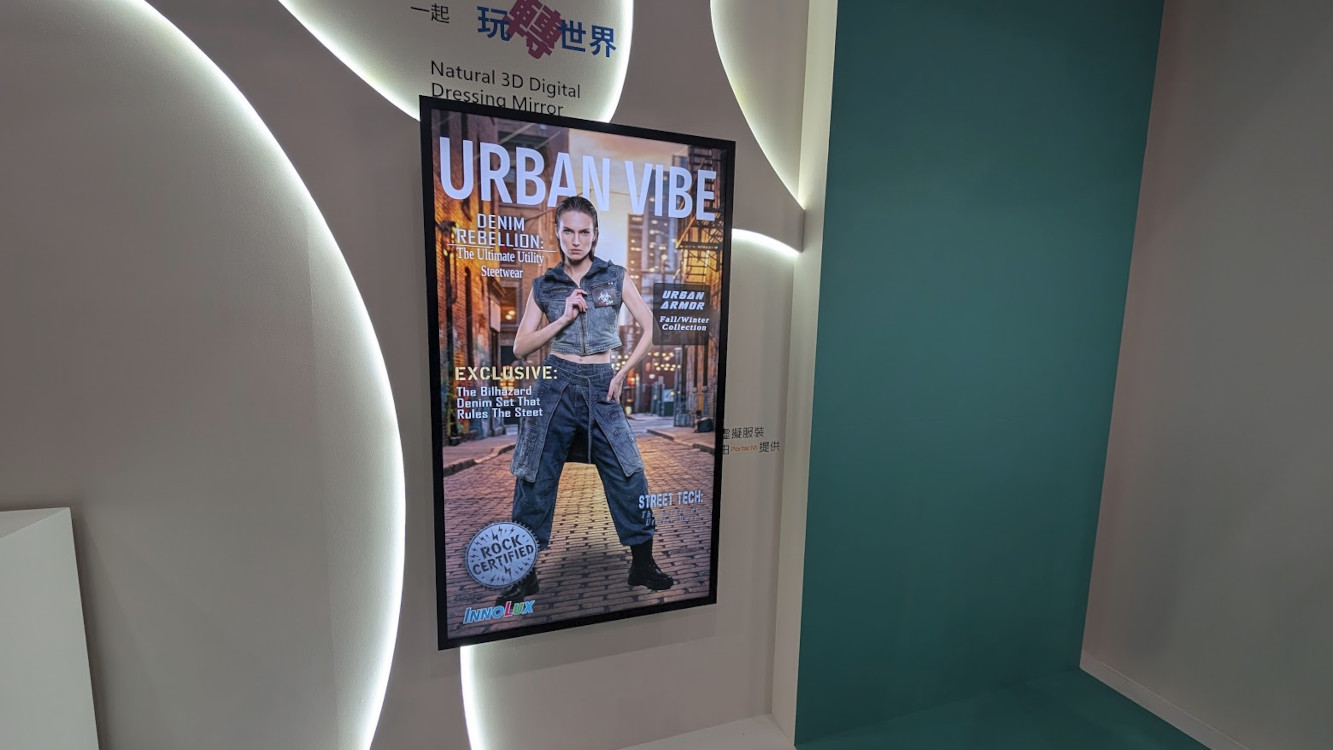
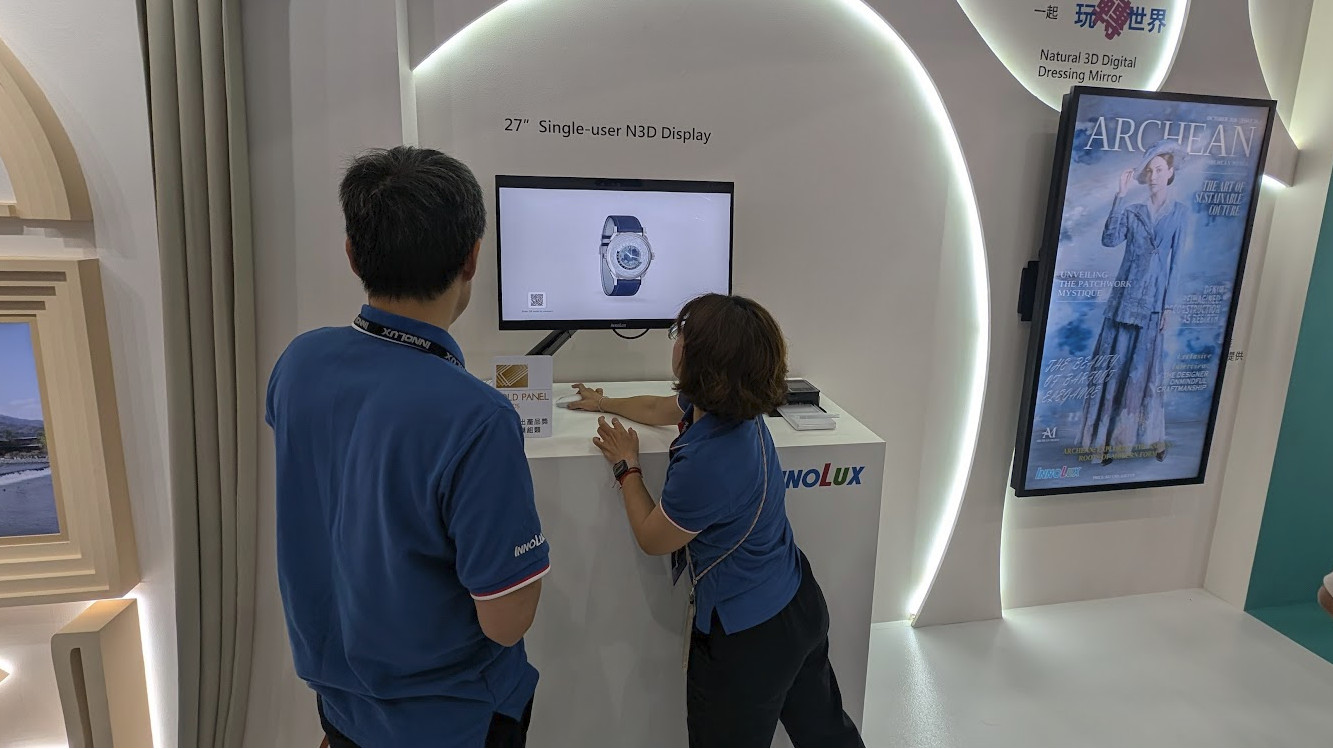
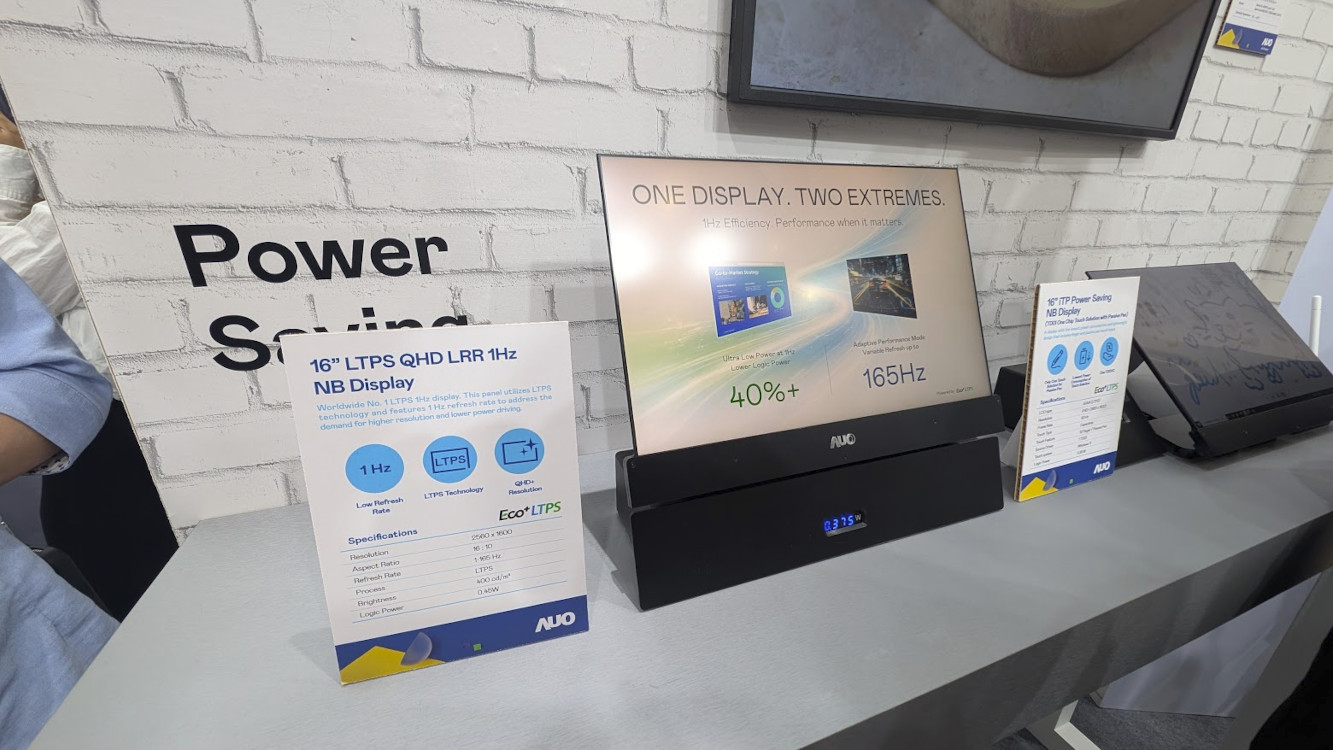
Almost unnoticed at Touch Taiwan, but arguably among the most promising innovations, are energy-efficient LTPS displays. These panels deliver outstanding image quality with power consumption as low as 0.45 watts, enabled by a dynamic refresh rate from 1 to 165 Hz. Already available in notebook display sizes, larger formats for digital signage are expected to follow. This technology could ultimately combine some of the best attributes of ePaper and traditional LCD.
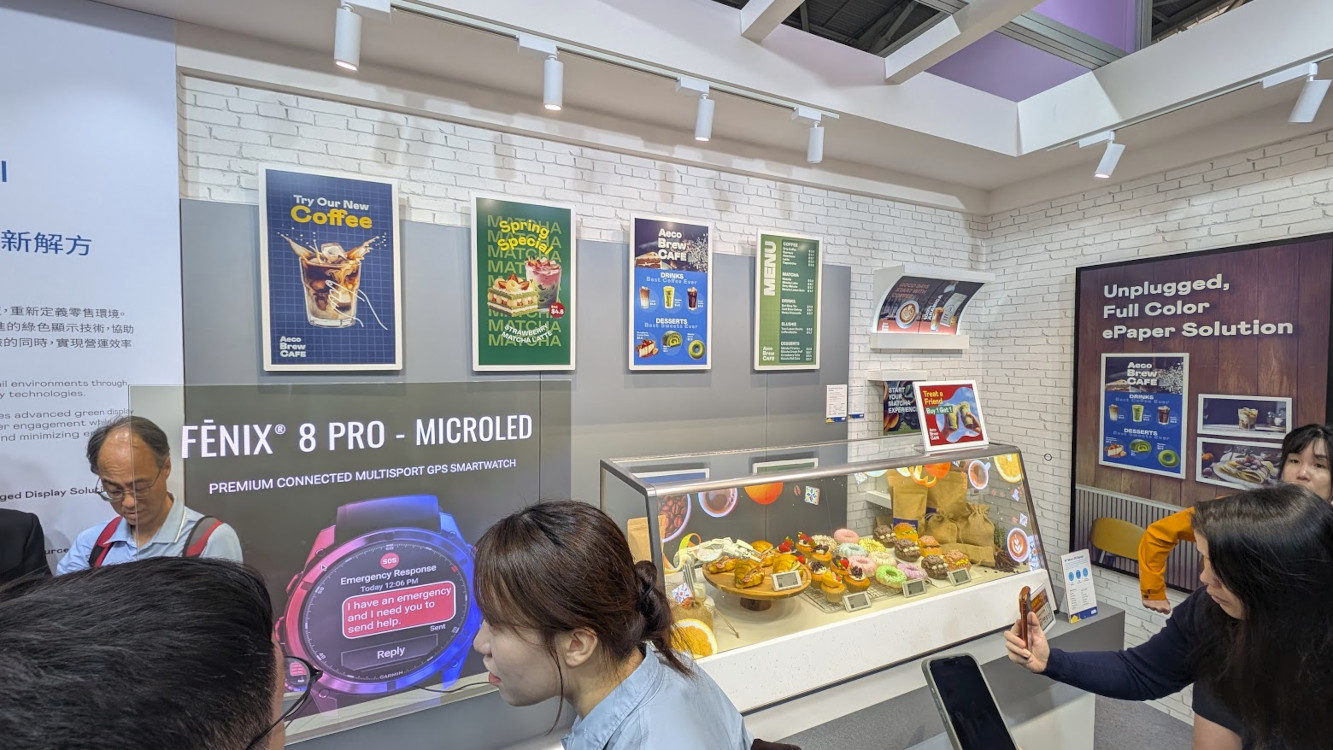
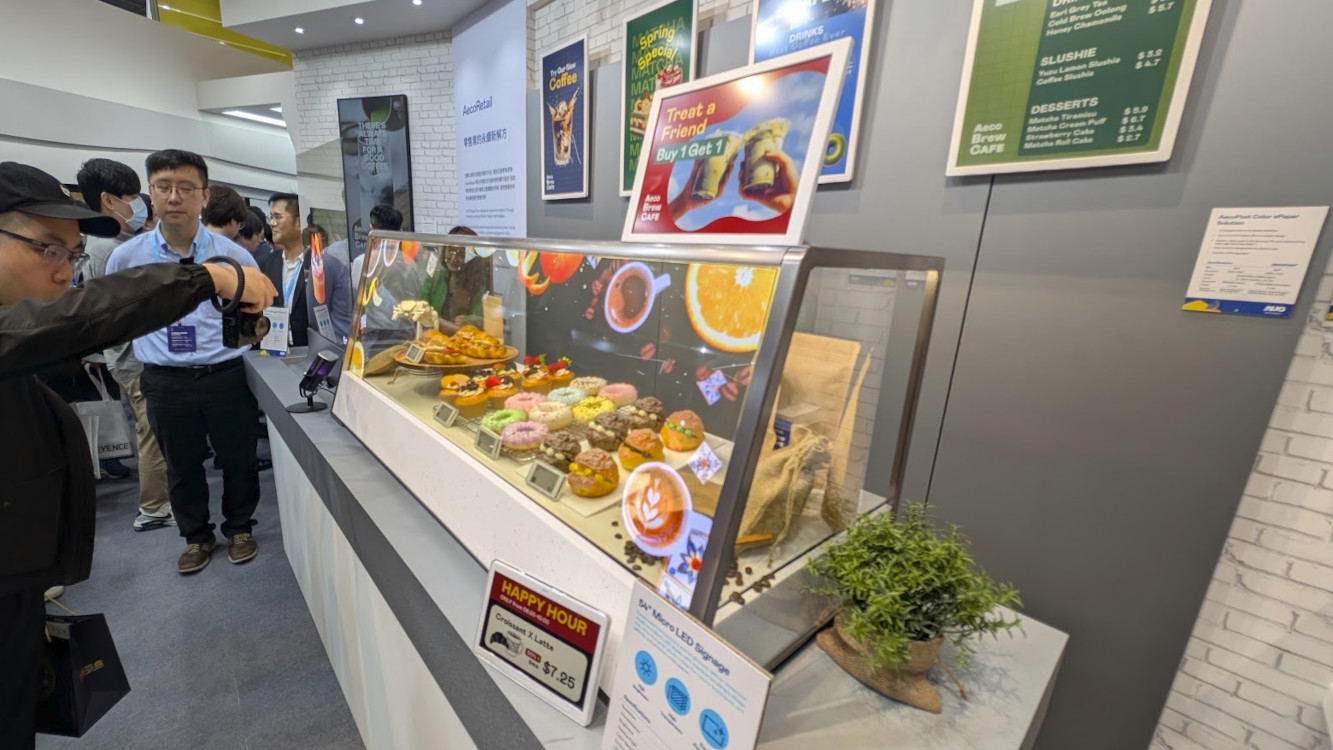
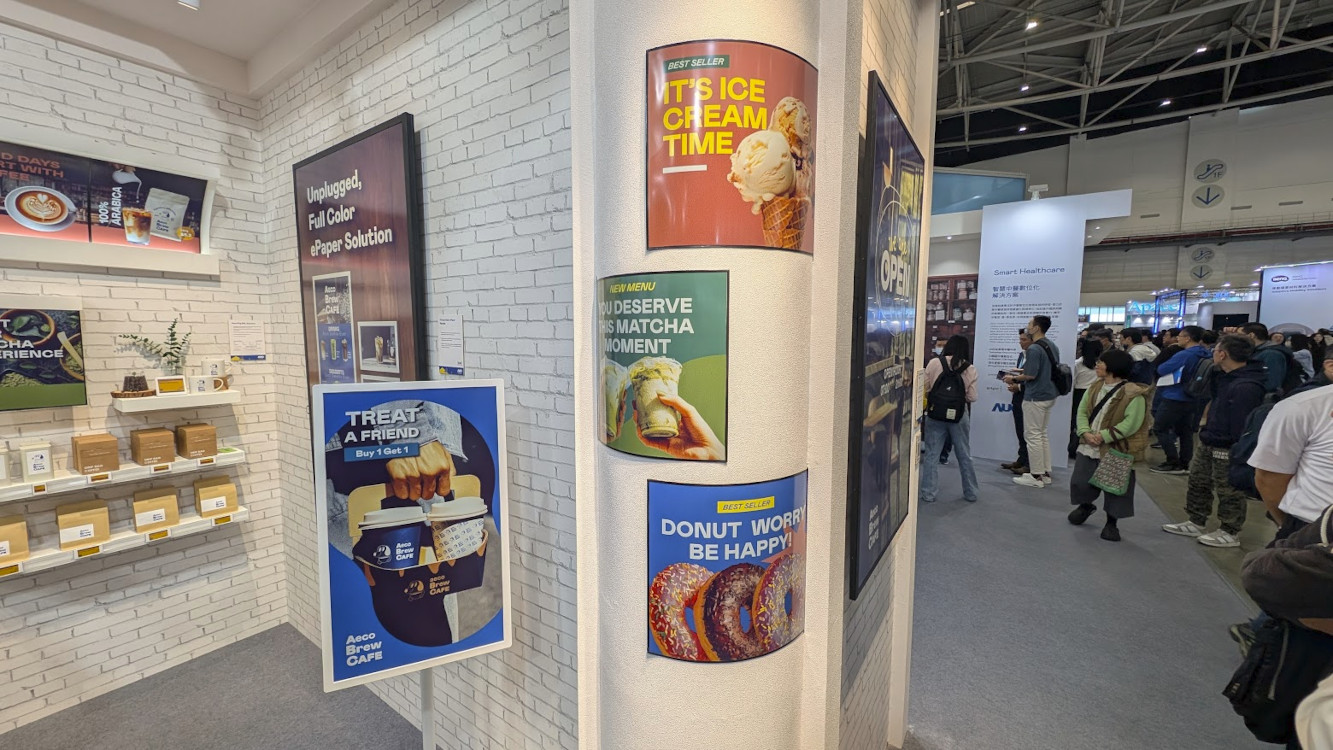
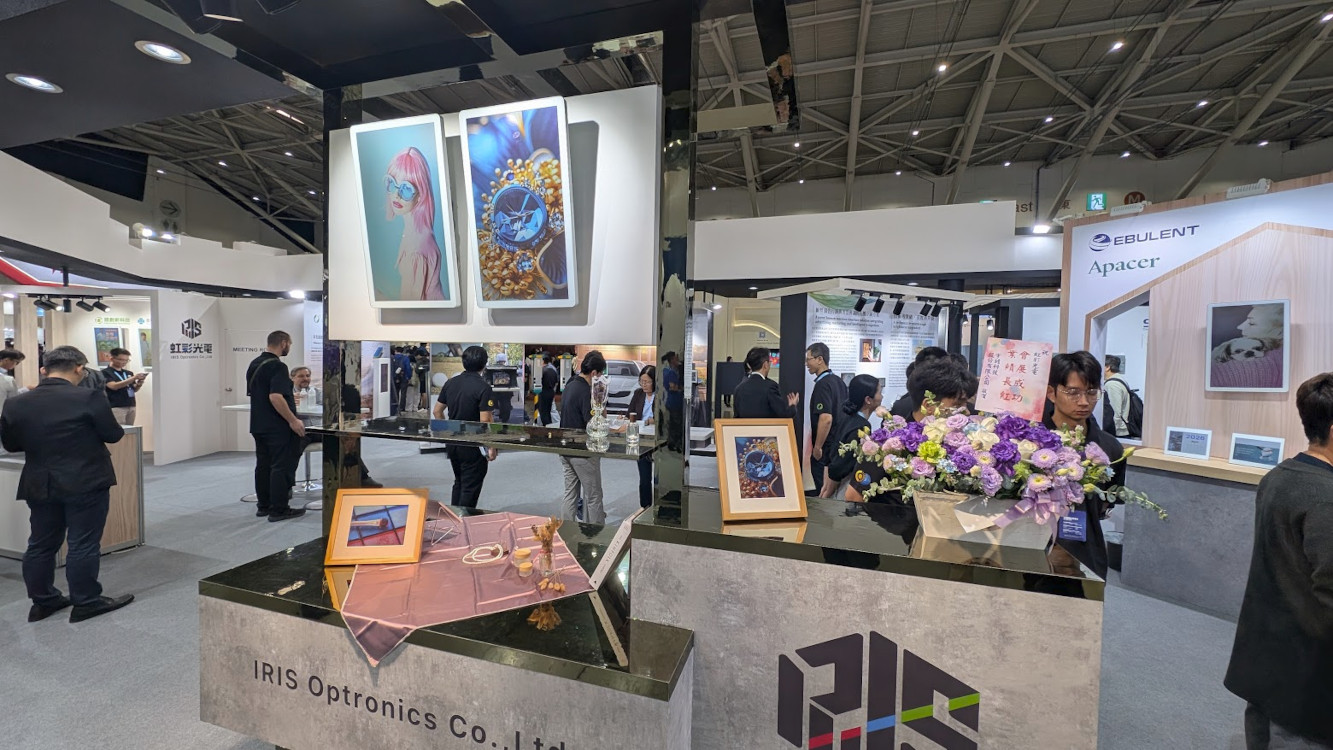
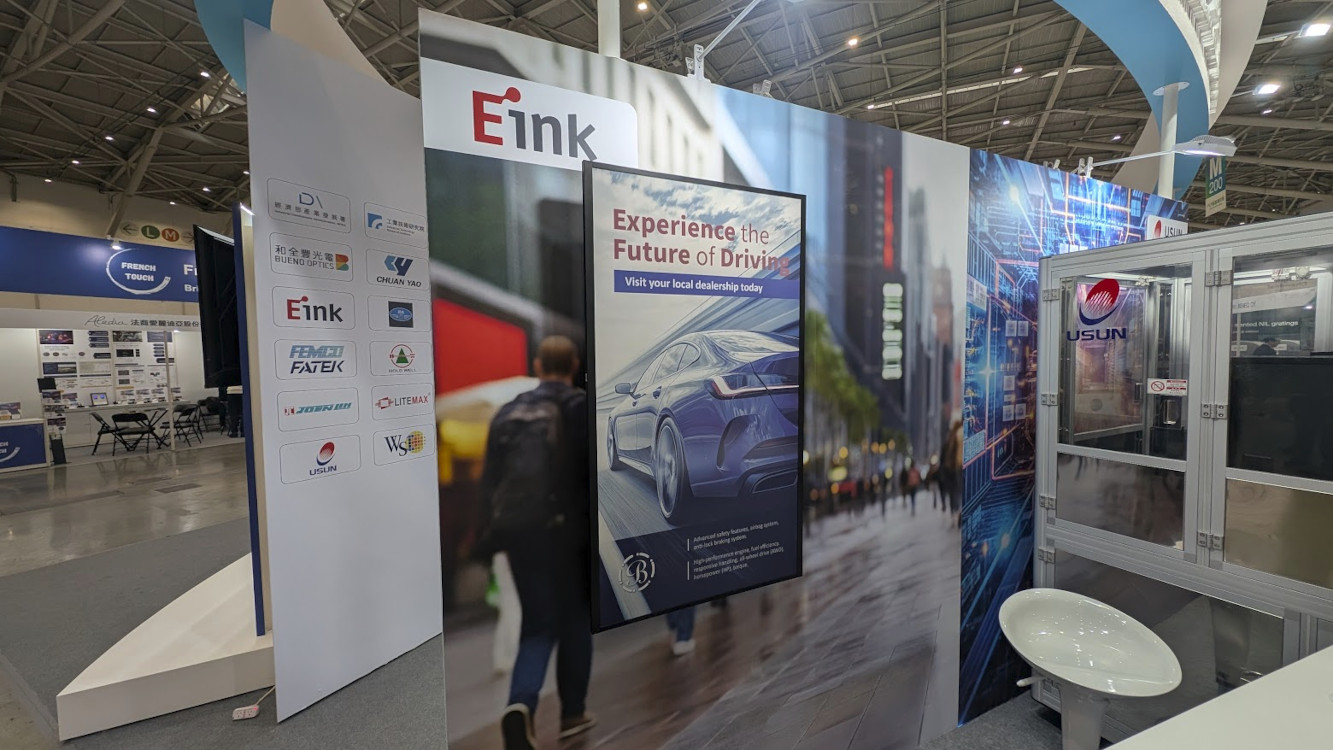
Speaking of ePaper, it was omnipresent at the show – even though industry disruptor E Ink, for the first time, did not exhibit with its own stand. Curved ePaper displays were prominently featured by AUO, as were transparent LED solutions on curved glass elements, for example in fresh food counter applications. But also with eInk competing ePaper solutions are becoming available – many of the eInk competitors are not there yet regarding picture quality to compete with the global market leader – but in the future the market will see ePaper solutions from multiple manufactures
Beyond flat screens
One message from Touch Taiwan is clear: the future of digital signage does not need to be flat. Curved displays, wearable form factors, and MicroLED applications for mobile devices are becoming increasingly mature. How much of this ready-to-use technology will be adopted by large display vendors remains to be seen.
To accelerate market adoption, AUO has taken the strategic step by establishing AUO Display Plus. The entity integrates the group’s digital signage components into ready-to-buy solutions, aimed at integrators and end customers looking for alternatives or complements to the offerings of established display brands. Products are available both under the AUO Display Plus brand and as white-label solutions, enabling integrators to launch their own branded displays.
This development is further proof that not only display technology is evolving rapidly, but also the roles within the value chain. Component manufacturers are becoming solution providers, while traditional display vendors increasingly invest in software platforms. The digital signage ecosystem is becoming more fluid – and far less predictable.
To help navigate this rapidly changing landscape, invidis will continue to provide orientation and analysis through NextGen Signage at The DSS 2026 in Munich, the upcoming invidis Yearbooks, and daily here at invidis.com.