
As the Western world celebrated Easter, the traditional symbols of hope and renewal have been overshadowed by a grim geopolitical reality. With the escalating conflict in Iran evolving into a full-scale energy crisis, the digital signage industry must now prepare for a "long-lasting" shock that will challenge logistics, and operational costs for months to come.
Energy Shock: Why the Digital Signage Industry Needs to Brace for Impact
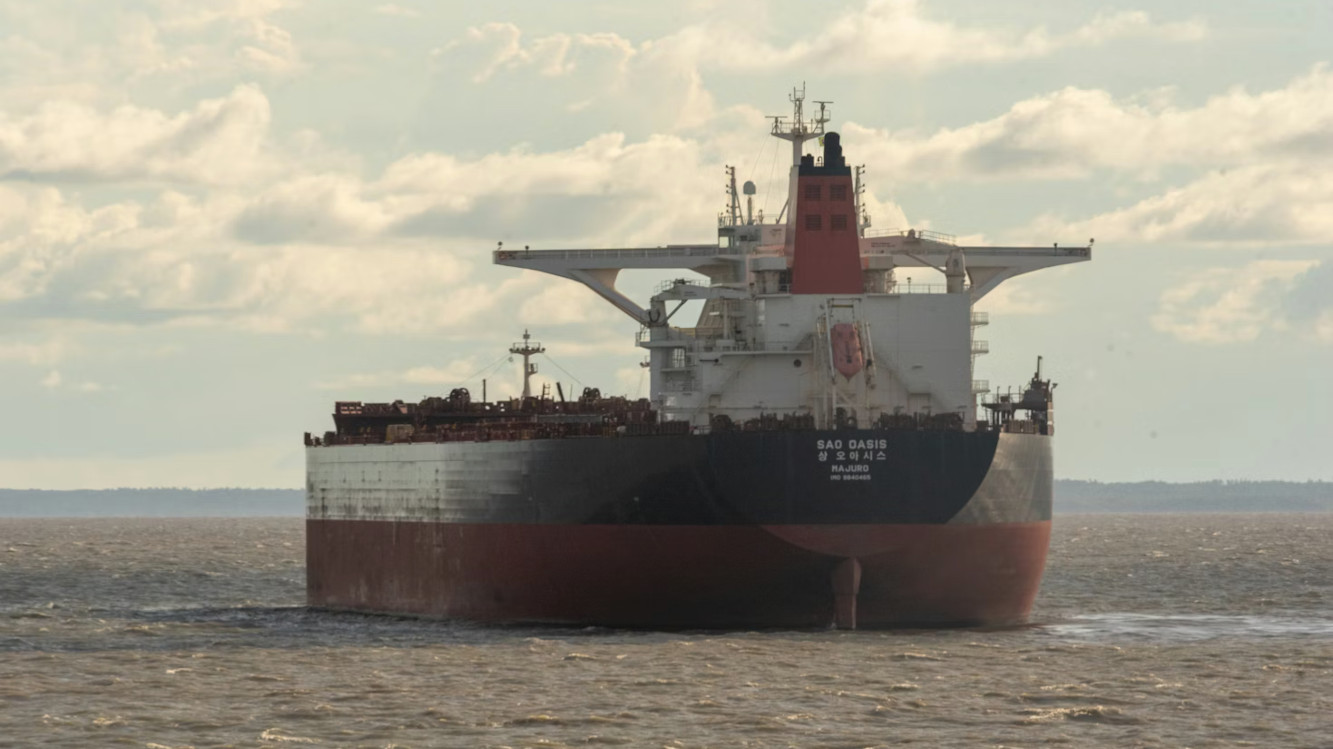
The timing of this crisis adds a somber note to the holiday period. While Easter signifies new life, the global economy is facing a structural transformation of a more painful nature. EU Energy Commissioner Dan Jørgensen has warned that the current volatility is not a temporary spike; rather, energy prices are expected to remain at record highs for the foreseeable future. With the crucial Strait of Hormuz nearing closure and Gulf infrastructure under fire, the “worst-case scenarios” for energy markets are now becoming daily operational hurdles.
Supply Chains Under Fire
For the digital signage sector, the most immediate pain point is logistics. Major carriers across sea, land, and air have already begun implementing aggressive fuel surcharges, many of which are now being re-evaluated on a weekly basis. Logistics providers are passing the soaring costs of jet fuel and diesel directly to the customer. For an industry that relies on the global movement of bulky hardware – large-format displays and LED cabinets – these surcharges will likely represent a mid to upper single-digit increase in total landed costs by the end of the quarter.
IEA: Oil Crisis More Severe Than 1973, 1979, and 2022 Combined
The current oil and gas crisis triggered by the blockade of the Strait of Hormuz is more severe than the energy crises of 1973, 1979, and 2022 combined, according to Fatih Birol, Executive Director of the International Energy Agency (IEA).
“The world has never experienced an energy supply disruption of this magnitude,” Birol said in an interview with French newspaper Le Figaro.
The fallout is global. Europe, Japan, Australia, and other industrialized economies are affected, but the most severe impact is being felt in developing countries, where energy price shocks quickly translate into economic and social instability.
The Quadruple Threat: Energy, Inflation, Tariffs, and Memory Price Hikes
The crisis arrives at a particularly vulnerable moment for the industry. While US projects recently received a glimmer of good news – media players and signage hardware containing less than 15% steel, aluminum, or copper are now exempt from Section 232 metals tariffs – the industry’s sigh of relief has been short-lived. General US electronics tariffs remain firmly in place, and when coupled with record-high energy prices and stubborn inflation, the financial pressure on projects is becoming unsustainable. As governments draw up fuel rationing plans and revert to coal power, the broader economic outlook signals a cooling of consumer spending power and slower growth.
Beyond the energy crisis, a new “silent” cost driver has emerged: the AI boom. The insatiable global demand for AI data centers is fueling a rapid spike in memory and semiconductor costs. This “AI tax” is adding an estimated 10% surcharge to visual solution hardware, from high-end media players to smart displays. In addition AI is disrupting the fabrics of our society – with huge potential but also threats to existing business models.
While demand for digital signage has begun to soften in certain Asian markets, this dip in volume is not providing the expected price relief. Instead, the rising cost of chips and memory continues to push hardware prices upward. In this environment, the digital signage industry must pivot from a “growth at any cost” mindset to one of rigorous cost management and strategic resilience.
A New Strategic Focus
After more than four weeks of the Iran war, invidis recommends that market participants move beyond “hope” and into active contingency planning. This includes localizing buffer stocks where possible and reviewing energy – to upper efficiency ratings of hardware to mitigate the long-term operational costs for end-users. In addition due to volatile markets, pricing will fluctuate and all the eco-system, partners, and resellers should brace for more frequent price changes.
The industry should be prepared for entering a possible longer crisis. The digital signage market players who survive it will be those who adapt their business models to a high-cost energy environment today, rather than waiting for a return to a “normal” that may come in the mid-term.
The good news – the necessity and effectiveness of digital signage is not on the table, just geo-politics and business uncertainties will impact demand in the short-term. The drive for NextGen signage, modern business models and aggressive adoption of A I
Background
Iranian missile and drone strikes targeted oil & gas facilities, desalination plants, aluminum smelters, and – most notably – major data centers across the Gulf region. Despite reported interceptions, the attacks disrupted critical energy production and civilian infrastructure.
What remains largely unnoticed outside the industry: Gulf-based aluminum smelters account for roughly 10% of global aluminum production. Any sustained disruption would therefore have immediate consequences for global supply chains, affecting automotive, construction, and electronics industries alike.
The attacks on Western-operated data centers mark a new dimension of Iran’s asymmetric warfare strategy. Modern hyperscale data centers represent investments that can easily reach several billion US dollars -significantly exceeding the capital intensity of most other civilian infrastructure targets.
While the immediate operational impact appears limited – AWS workloads were reportedly shifted to other regional availability zones, albeit with reduced latency margins – the long-term implications are substantial. Physical damage, security hardening, insurance costs, and redundancy investments could turn such incidents into high-cost events for operators and customers alike.
From an infrastructure risk perspective, the Gulf is increasingly exposed—not only as an energy hub but also as a critical node in the global digital economy.