
Samsung Electronics reported a dramatic surge in profitability at the start of the year. Preliminary figures indicate that the company’s operating profit jumped more than eightfold in the first quarter, reaching a level exceeding earnings of the entire year of 2025. The driver: an unprecedented AI-driven supercycle in memory chips.
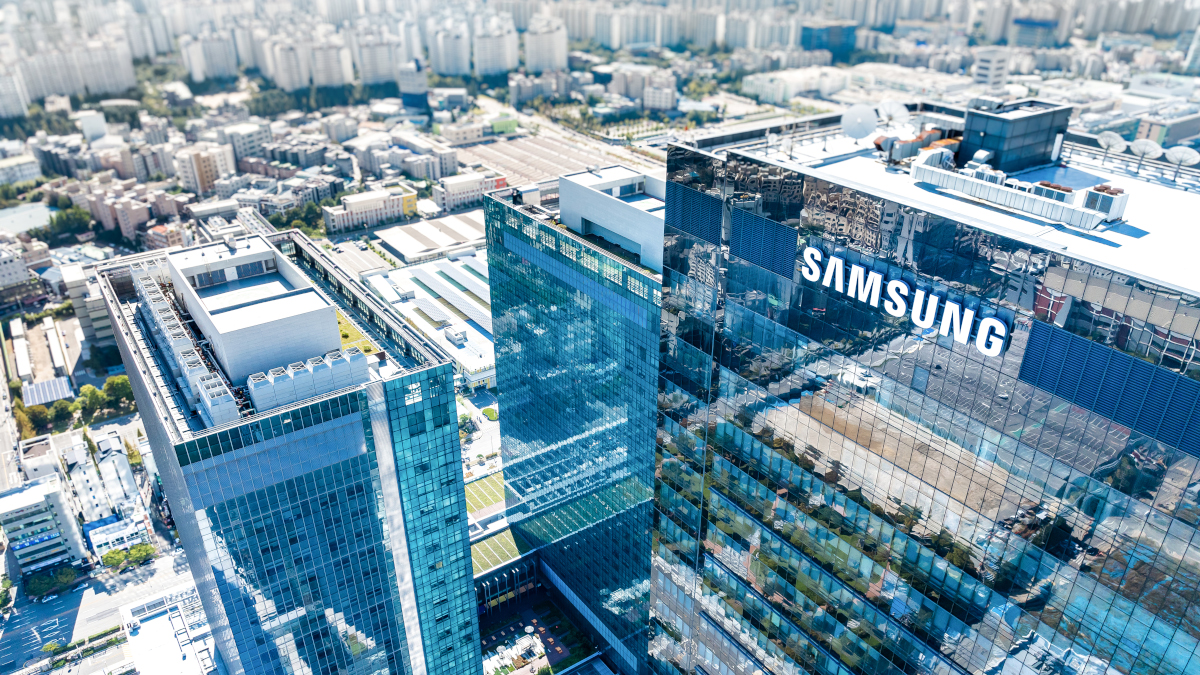
AI Boom: Samsung Makes More in Q1 Than All of 2025
According to Samsung, demand for high-performance memory chips used in AI data centers has accelerated far beyond expectations. The company’s storage and memory division benefitted disproportionately from the surge, offsetting inflationary pressures and a sharp rise in energy costs linked to the escalating conflict in the Middle East.
AI Demand Trumps Energy Shock
The figures are particularly striking given the geopolitical backdrop. The deepening Middle East conflict has driven up energy prices globally – an issue that directly affects the data centers powering AI applications worldwide. However, analysts agree that energy costs currently play a secondary role compared to overwhelming demand for advanced memory chips.
The global semiconductor market remains tight, and shortages in critical components have more than compensated for higher operating expenses. As a result, chip prices have continued to rise despite worsening macroeconomic conditions.
Long-Term Contracts to Break the Cycle
Looking ahead, analysts expect Samsung’s earnings momentum to continue throughout the coming quarters. Customers are increasingly willing to secure long-term chip supply to hedge against further price increases and supply risks.
Samsung is reportedly in discussions with major clients about shifting from quarterly purchasing agreements to three- to five-year contracts. Such a move would mark a structural shift in an industry traditionally known for short cycles and extreme price volatility – and could offer Samsung greater earnings stability while locking in premium pricing.
DRAM Volatility Hits Digital Signage
For the digital signage industry, the picture is more nuanced. DRAM prices – critical for professional SOC displays – have shown significant volatility in recent weeks. Market observers still expect prices to jump by 50-60% in the second quarter, driven by capacity constraints and AI-driven allocation priorities. In total, memory prices are experted to triple in the coming quarters. More than 10% of the bill of materials are DRAM costs – eventually also leading to rising professional display prices.
While this benefits memory manufacturers, it creates cost pressure for display vendors and integrators, particularly in price-sensitive signage projects.
Signage Market Loses Momentum
In contrast to the booming AI data center business, the professional digital signage market is clearly losing momentum. Samsung has not yet published segment-specific figures, but market feedback from across EMEA and North America paints a challenging picture.
Since the outbreak of the Iran war, many companies have postponed or scaled back digital signage rollouts. In an increasingly uncertain geopolitical and economic environment, investment decisions are being delayed, especially for large, multi-year display deployments.