After the strike on Iran, the conflict in the Middle East escalates – not only disturbing supply chains but also hitting critical tech infrastructure. Read the latest news out of the region and how they affect the digital signage industry.
Ticker: How the Iran Conflict Impacts Digital Signage
+++ Digital Signage in Crisis Mode – But the Outlook remains Robust+++
invidis talked to BRI’s John Joseph and Nita Odedra about the impact of the current Iran conflict on digital signage in the region. Read the interview here:
+++ Oil Turmoil: Gulf Conflict Pushes Energy Into Crisis Mode
+++
09MAR | 05:18 – The escalating conflict in the Middle East has triggered what analysts describe as the largest oil disruption in modern history, with U.S. and Israeli strikes on Iran removing roughly one‑fifth of global supply from the market. Industry experts note that the shock to production and spare capacity already exceeds the Suez Crisis of 1956–57, when 10% of global output was halted. Unlike previous disruptions, the current crisis hits both active production flows and the spare capacity that traditionally stabilizes energy markets during emergencies.
Crucially, the conflict has severed access to the world’s primary shock absorbers: Saudi Arabia and the UAE – the key holders of global spare production capacity — are now effectively cut off from international oil markets. With these stabilizing buffers offline, global markets face unprecedented volatility, increasing risks for global supply chains, energy‑intensive industries, and any sector reliant on predictable fuel and logistics costs.
With oil prices climbing above USD 110 and access to oil and gas tightening sharply, the Iran conflict has entered a new and more disruptive phase. The ripple effects will likely extend far beyond the region, impacting economic activity worldwide – including digital signage and DooH projects, where weakened demand scenarios can no longer be ruled out. A swift end to the conflict could mitigate the fallout, but the threat of a broader global economic impact is growing by the day.
+++ Gulf War Drives Insurance Costs Through the Roof +++
09MAR | 04:55 – War‑insurance premiums in the Gulf have surged up to five‑fold as businesses scramble to secure political‑violence coverage amid escalating regional conflict. Data centers, energy projects, pipelines, ports, and hotels across the GCC are flooding insurers with urgent requests worth millions, seeking protection against risks ranging from missile debris to direct drone strikes. Many of the inquiries come from Western companies operating in Saudi Arabia, Oman, Bahrain, and Qatar, which are perceived as more vulnerable as Iran and its allies expand drone and missile attacks across the region in retaliation for U.S.–Israeli military operations.
The sudden spike underscores how rapidly the risk profile for Gulf infrastructure has deteriorated. Hotels in Bahrain and Qatar, solar projects in Saudi Arabia, and mission‑critical data centers are now moving to lock in full political‑violence policies, far beyond traditional terrorism cover. Prices that once sat below 1% of an asset’s insured value have risen to as much as five times pre‑war levels within days. The surge reflects intensifying investor concern as the conflict widens, threatening the stability that underpins the Gulf’s long‑term economic transformation agendas.
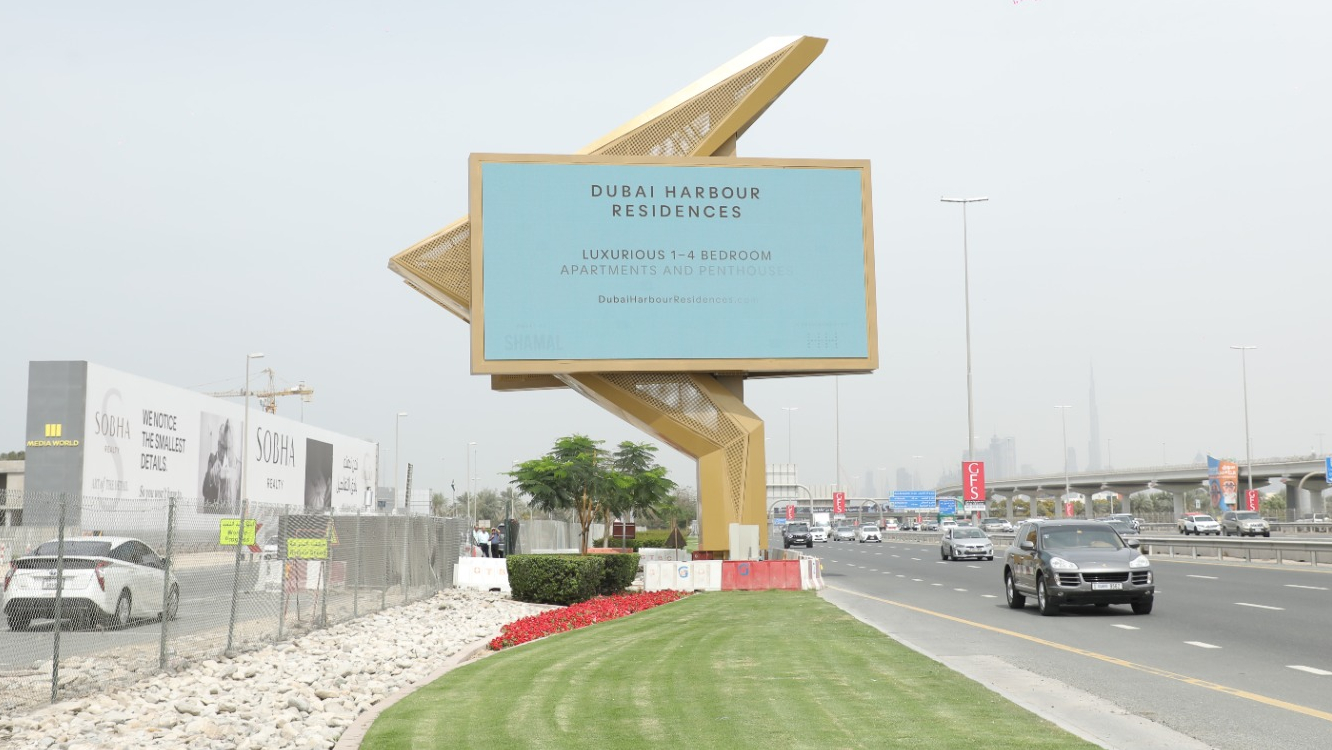
The impact on digital signage remains largely indirect, but roadside DooH networks and large‑format media façades are increasingly exposed as potential collateral targets for drones or missile strikes. While damage to digital signage infrastructure would not be deliberate, prolonged outages can translate into significant revenue losses for media owners.
Compounding the problem, the ongoing disruption to shipping routes – driven by the effective closure of the Strait of Hormuz – is severely slowing the delivery of replacement LED modules. As a result, restoring damaged DooH assets could take far longer than in peacetime, adding operational and financial pressure to an already volatile situation.
+++ Gulf Tech Hub Vulnerable: Data Centers Become Targets
+++
09MAR | 04:34 – Iranian drone strikes on AWS data centers in the UAE and Bahrain have, for the first time, deliberately targeted commercial cloud infrastructure – an escalation that immediately disrupted digital life across the Gulf. Millions of users in Dubai and Abu Dhabi were suddenly unable to access banking apps, book taxis, or order food, prompting Amazon to advise customers to relocate data workloads out of the region. The attacks cast a long shadow over the Gulf states’ ambitions to position themselves as future AI superpowers.
The timing could not be more critical. For years, the UAE has invested heavily in becoming a global AI and cloud hub, leveraging low‑cost energy, sovereign wealth capital, and strategic access to submarine cable routes. Now, the strikes expose a fundamental vulnerability: data‑center protection in the Middle East must extend far beyond cybersecurity and traditional site security to include missile‑defense capabilities. By hitting essential digital infrastructure, Iran is exerting direct economic and social pressure – undermining the region’s strategic positioning and disrupting key economic processes in both the UAE and Bahrain.

+++ Storage Crisis: SSD Prices Set to Spike +++
05MAR | 06:56 – The global memory market is entering one of its most dramatic upcycles in years – and SSD buyers will soon feel the full impact. TrendForce now expects NAND flash contract prices to surge by 85% to 90% in Q1 2026, driven by a perfect storm of limited supply and explosive demand from AI infrastructure.
Because NAND flash is the foundational component of every SSD, this surge is already pushing manufacturing costs higher across the industry. Both enterprise and consumer SSD vendors have begun passing these increases downstream, meaning retail and OEM pricing will rise noticeably in the coming months. The shortage is reinforced by market dynamics in late 2025: global NAND revenue jumped 23.8% in Q4, largely powered by AI‑related storage demand and growing hyperscaler procurement.
TrendForce also highlights an additional structural shift – suppliers are reallocating production capacity from NAND to DRAM to capitalize on the even more extreme 90% to 95% spike in DRAM prices expected this quarter. This reallocation reduces NAND output further, tightening supply just as demand intensifies.
Impact on Digital Signage and ProAV
For the digital signage and ProAV markets the storage crunch introduces another layer of complexity. Media players modules will become more expensive to produce as SSD prices climb, squeezing already‑tense hardware margins. Large‑scale rollouts may face pricing volatility as integrators struggle to secure predictable SSD costs for tenders and long‑term projects.
More advanced digital signage systems that rely on edge AI processing are particularly exposed. These devices depend on high‑performance SSDs for local caching and inference workloads, making them sensitive to enterprise‑grade SSD price swings. With hyperscalers absorbing so much of the global NAND supply to build out AI data centers, high‑end storage components for on‑premise signage applications could become even harder to source.
+++ Digital Signage must prepare for turbulent weeks +++
05MAR | 06:25 – The escalating conflict in the Middle East shows no sign of ending quickly – and the ripple effects are beginning to reach the digital signage industry. With shipping routes disrupted and energy prices rising, signage projects and supply chains face turbulent weeks ahead. Read the analysis here on invidis.com:
+++ DRAM prices to surge up to 70% in 2Q26 +++
04MAR | 05:17 – Flash memory prices will surge up to 70% in Q2 of 2026, according to latest research reported by Digitimes Asia (paywall). Rising memory prices are mainly triggered by the global AI rush, but increasingly disrupted supply chains add to the price-rise. Besides marine traffic, also 18% of the global air cargo capacity is currently missing due to closed or very limited air traffic in the Middle East.
+++ Multiple Data Centers hit by Iranian Missiles and Drones +++
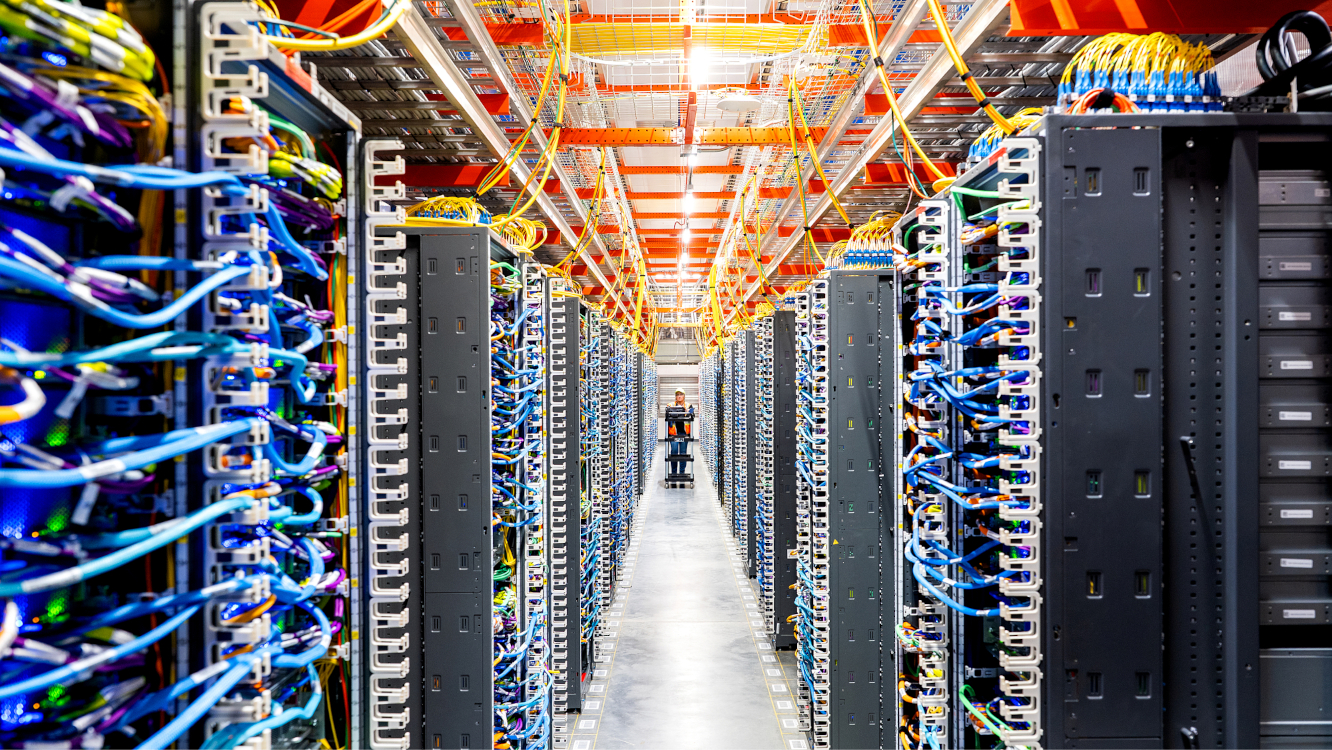
04MAR | 05:01 – As already reported, hyperscaler data centers are for the first time selected as valuable targets in a war. AWS reported that drones hit two of its datacenters in the UAE while a third data center in Bahrain was also damaged by debris.
Disruptions to Amazon’s facilities have had knock-on effects for software-as-a-service providers in the region. Selected SaaS providers attributed service disruptions in the region to the AWS outage in the UAE.
Amazon urges users to move resources to different regions. Multiple zones Middle East in UAE disrupted, with water damage complicating recovery.
A great read by The Register.

+++ Digital Signage: Limited Short‑Term Impact, Rising Mid‑Term Risks +++
03MAR | 05:34 – The current conflict in the Middle East is beginning to ripple into global technology and AV supply chains but for now, the direct impact on digital signage remains limited. Industry analysts expect that if military activity subsides within days, most disruptions will be temporary and manageable for integrators, vendors, and end users.
In the short term, the biggest challenges are likely to be delays in product availability, particularly for displays, media players, and key components. Such delays typically push back project rollouts and create localized price pressure. However, the market remains highly competitive, and with prices already elevated due to the ongoing memory component crisis, significant additional price hikes appear unlikely.
If the conflict stretches into several weeks or even months, the industry should expect more noticeable consequences. Rising energy prices would accelerate an already visible trend: the shift toward more energy‑efficient hardware. Topics such as green signage, power‑optimized displays, and longer lifecycle strategies could quickly return to the top of corporate agendas.
A prolonged conflict may also drive companies to extend the use of existing screens and media players, delaying refresh cycles to preserve budgets in uncertain times. Meanwhile, signage projects in the Middle East itself could face postponements, as local priorities shift toward operational stability and crisis response.
Overall, while digital signage is not among the sectors hardest hit today, the mid‑term trajectory depends entirely on the duration of the conflict. A brief escalation would mean manageable delays; a protracted crisis could reshape investment decisions, accelerate sustainability initiatives and slow down regional deployments.
+++ Iran War Strands 170 Ships – Supply Chain Delays Mount +++
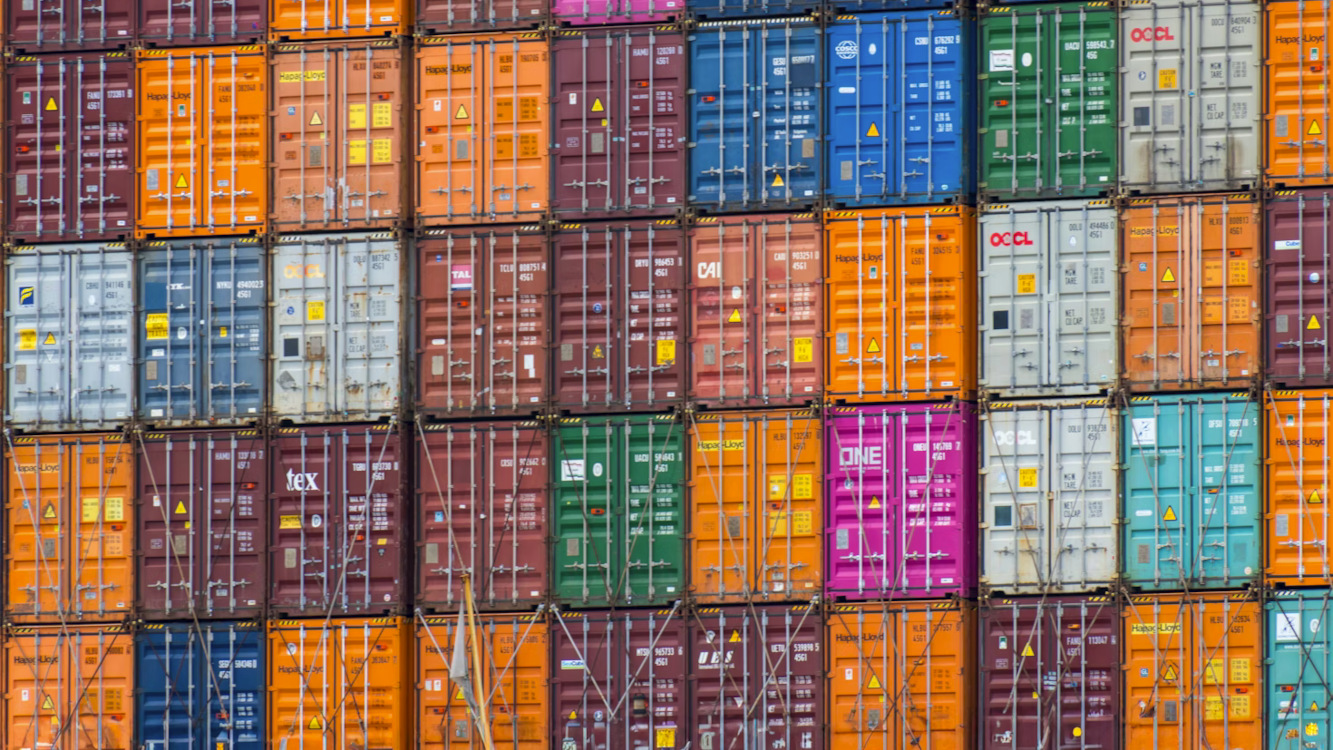
03MAR | 05:17 – The Iran conflict is beginning to hit global supply chains. Around 170 container ships carrying 450,000 containers are stuck in the Persian Gulf as the Strait of Hormuz remains blocked, according to shipping intelligence estimates.
Large parts of Middle Eastern airspace are closed, disrupting major air‑cargo hubs in Dubai, Abu Dhabi, and Doha. E‑commerce sellers and marketplaces – including Amazon vendors, Shein, and Temu – are already warning of delivery delays.
A repeat of the COVID‑era logistics chaos is not expected for now, but analysts say prolonged blockages could cause rising transport costs, extended lead times and growing pressure on European and Asian industries.
+++ Gas Prices Surge as Strait of Hormuz Closes +++
03MAR | 04:53 – Gas and oil prices spiked sharply on Monday as the Middle East conflict escalated. Wholesale gas briefly jumped 49% to over EUR 47/MWh, the steepest rise since 2023, while oil climbed more than 10% to nearly €70 per barrel.
The surge follows the closure of the Strait of Hormuz, cutting off Qatar’s LNG exports – normally one‑fifth of global LNG flows. Even though Europe imports only a small share directly from Qatar, analysts warn of global shortages pushing European prices much higher.
The European Commission sees no immediate supply risk, but analysts expect further increases. In a prolonged blockade scenario, gas could hit EUR 90/MWh and oil EUR 100 per barrel. A one‑month disruption alone could potentially double European gas prices, according to market forecasts.
Asia faces immediate pressure, with 82% of Qatari LNG typically destined for China, Japan, and India – markets heavily dependent on imported gas.
+++ Shipping Lines Halt Middle East Routes as Conflict Escalates +++
02MAR | 08:15 – Global container carriers are suspending services into the Persian Gulf as the widening US‑Israel–Iran conflict disrupts maritime trade routes. Most global shipping lines have halted Gulf transits or stopped accepting bookings, while other operators have also paused operations amid rising security risks.
The disruption is hitting Dubai hard. Debris from recent Iranian strikes has damaged airport infrastructure, flights have been suspended, and operations at Jebel Ali – the region’s busiest port – were temporarily stopped before resuming. Analysts warn that prolonged delays could reverberate across global supply chains, especially with the Jebel Ali Free Zone serving as a major logistics hub for Western multinationals. Also digital signage hardware often transits through gulf ports.
Carriers are adding war‑risk surcharges of up to USD 2,000 per container, and spot rates are expected to climb further as cargo is rerouted and vessels queue for alternative ports.
The crisis now spans two critical chokepoints. In addition to avoiding Hormuz, first shipping lines are diverting services away from the Suez Canal, sending ships around the Cape of Good Hope after Houthi militants threatened renewed attacks in the Red Sea.
With both Middle Eastern corridors compromised, global shipping networks are bracing for escalating delays and rising costs – signalling another major stress test for worldwide supply chains.
+++ UAE: AWS Data Center Hit During Iranian Strike Wave +++
02MAR | 05:37 – Amazon Web Services (AWS) suffered a major service disruption in the Middle East on Sunday after unidentified objects struck one of its data centers in the United Arab Emirates, triggering sparks, a fire and a full power shutdown at the facility.
According to AWS, the incident occurred at around 16:30 local time in the ME‑CENTRAL‑1 region. The impact affected the mec1‑az2 Availability Zone, leading authorities to cut power to the data hall and its backup generators while fire crews worked to extinguish the blaze. Amazon confirmed that it is still awaiting permission from local authorities to restore power and bring the affected zone back online.
The outage comes amid heavy Iranian missile and drone attacks across the Gulf region, launched in retaliation for U.S. and Israeli strikes on Iran. Airports, ports and residential areas in the UAE were also hit during the barrage, underscoring the growing vulnerability of civilian infrastructure in the conflict.
Amazon declined to comment beyond its service status updates, but the company said it has been rerouting workloads to other Availability Zones, which remain fully operational. Customers running multi‑zone deployments experienced fewer disruptions, while others reported networking and EC2 errors during the outage period.
The attack highlights a new and troubling scenario: commercial data centers becoming collateral damage – or even potential targets – during geopolitical conflicts. With cloud infrastructure forming the backbone of global digital services, a physical strike on a hyperscale facility raises concerns about resilience in regions prone to instability.
The broader economic impact was visible beyond the tech sector. Oil markets reacted immediately, with fears of supply disruptions pushing up prices as traffic in the Strait of Hormuz slowed to a near standstill after Iran claimed responsibility for attacks on vessels near the narrow chokepoint.
While AWS expects to restore service in the coming hours, the incident serves as a reminder that the cloud is not immune to real‑world conflict – and that geopolitical tensions can now directly impact global digital signage operations.