
New York’s iconic DooH landscape proves how scale, architecture, and storytelling converge to create global attention hotspots – from Times Square to “The Hundred” at Westfield World Trade Center. Burberry’s trench‑coat campaign shows how brands can fully exploit these unique canvases, while many others still miss the opportunity for dynamic, narrative‑driven creative.
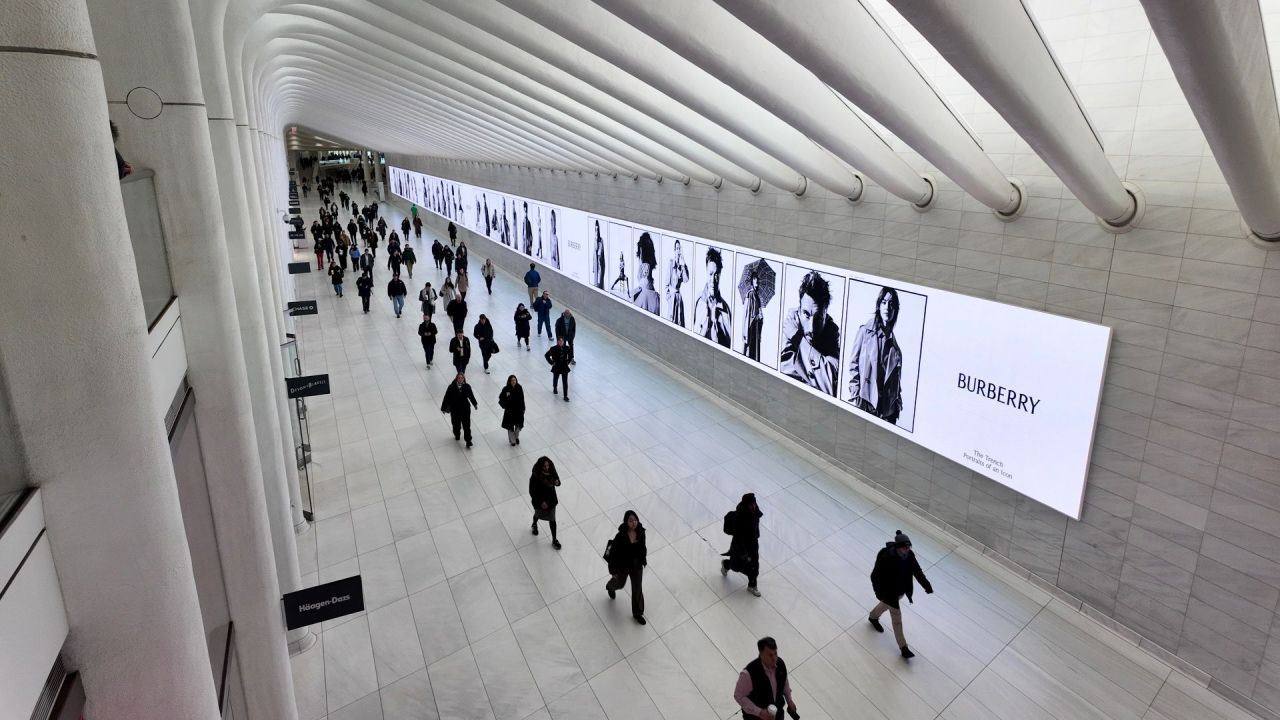
Iconic DooH Works: When Scale Meets Storytelling
New York City remains the global epicenter of digital out‑of‑home, a place where iconic screens define the visual identity of entire districts. At the pinnacle stands Times Square – an overwhelming concentration of light, motion, and competition. No other location demonstrates more clearly how DooH can command global attention while simultaneously challenging brands to break through an environment where the next spectacular display is only meters away. Without Times Square, the international reach and cultural relevance of the DooH industry would be unimaginable.
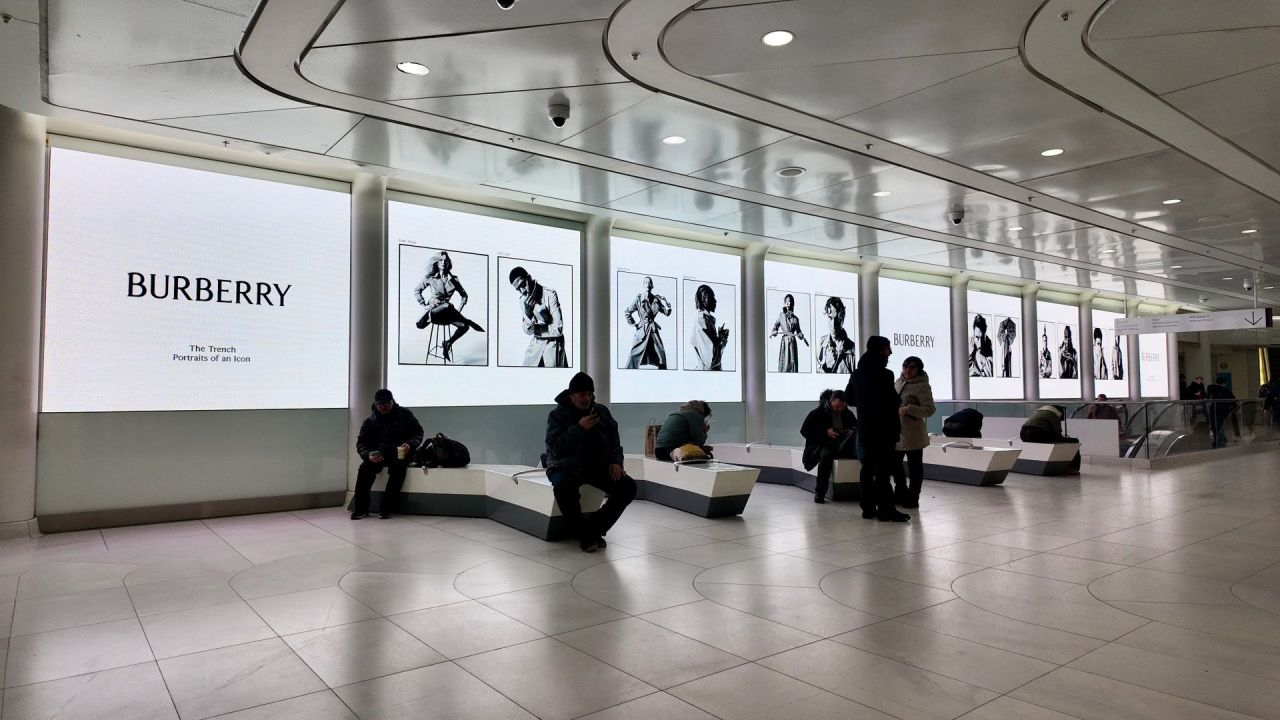
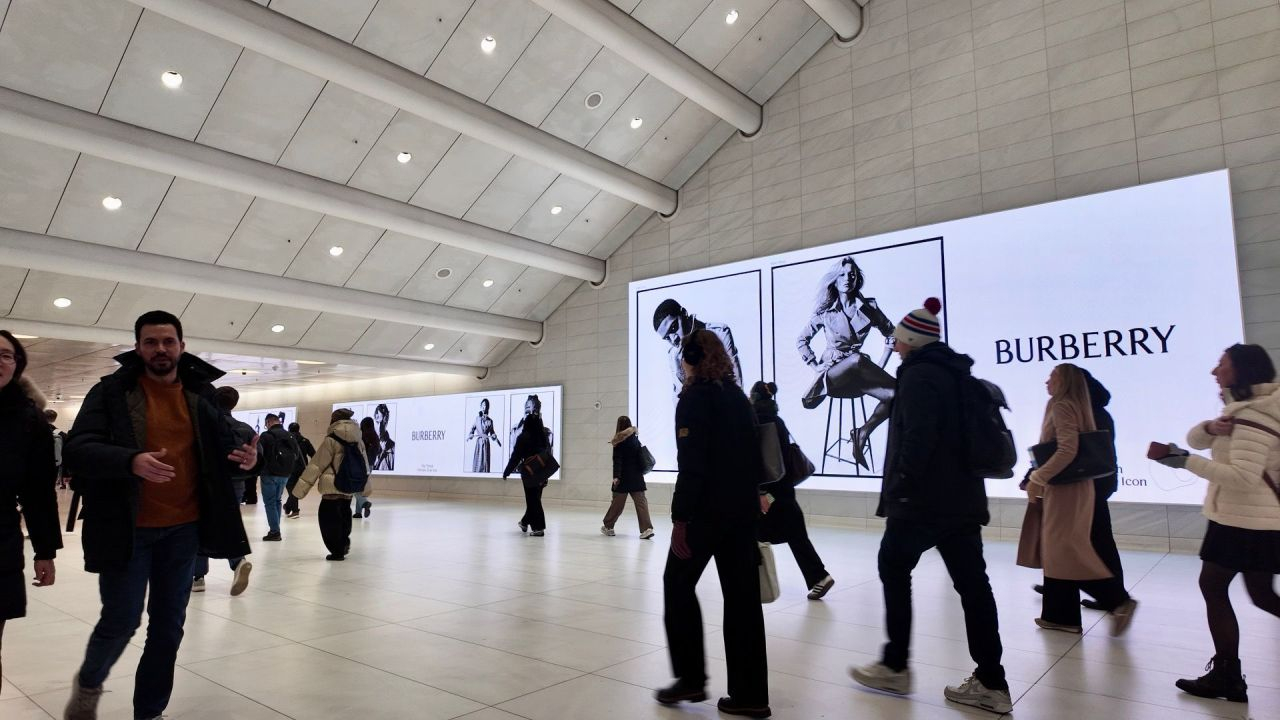
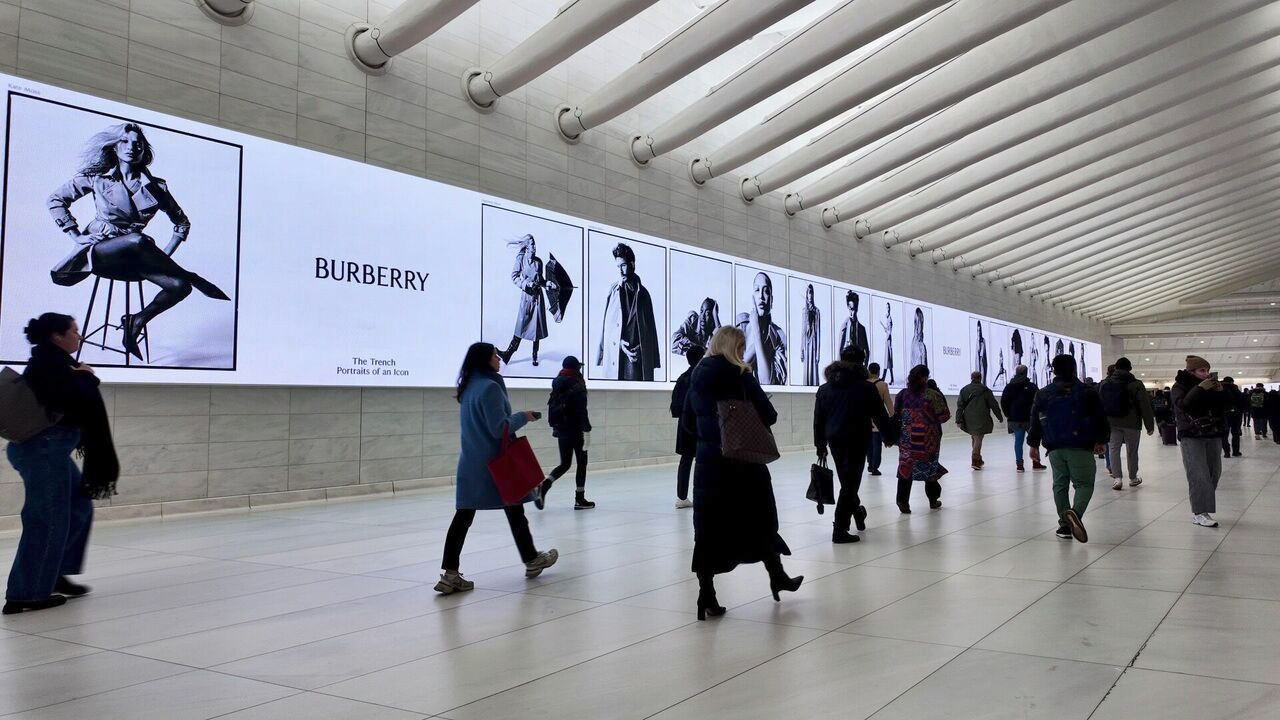
But New York’s DooH power extends far beyond Midtown. Across the city, world‑class installations transform daily routes into immersive media experiences, particularly for commuters moving between transit, offices, and retail. One standout example is “The Hundred” at Westfield World Trade Center – a 100‑meter‑long digital canvas that ranks among my favourite storytelling surfaces in the world. For me a must‑see on every visit to NYC. Yet, not all campaigns rise to the occasion: many brands simply loop a repeated motif instead of embracing the opportunity for narrative progression. Considering that almost all most pedestrians walk the full length from the Oculus to Brookfield Place, the screen offers ample time to unfold a coherent visual story rather than just repeating assets.
A current campaign proves how powerful the medium can be when used correctly. Burberry’s trench coat campaign leverages the entire length of “The Hundred,” turning the screen into a flowing homage to the brand’s most iconic garment. The British fashion house reinforces the message through additional placements on surrounding individual screens throughout the Westfield complex – subtle reminders that extend the campaign beyond a single touchpoint. It’s a textbook example of how thoughtful creative can transform a long-format display into a memorable, location‑anchored brand experience.
In a city filled with iconic displays, the lesson is clear: scale alone is not enough. What makes New York’s best installations stand out is the combination of architectural integration, pedestrian flow, and creative ambition.