
This week Chinese New Year and Ramadan are turning Asia and the Middle East into the world’s busiest advertising stages, with DooH and retail media experiencing soaring demand and record engagement. As travel peaks and shopping surges, brands leverage culturally resonant, high‑impact screens to connect with audiences during the most lucrative moments of the year.
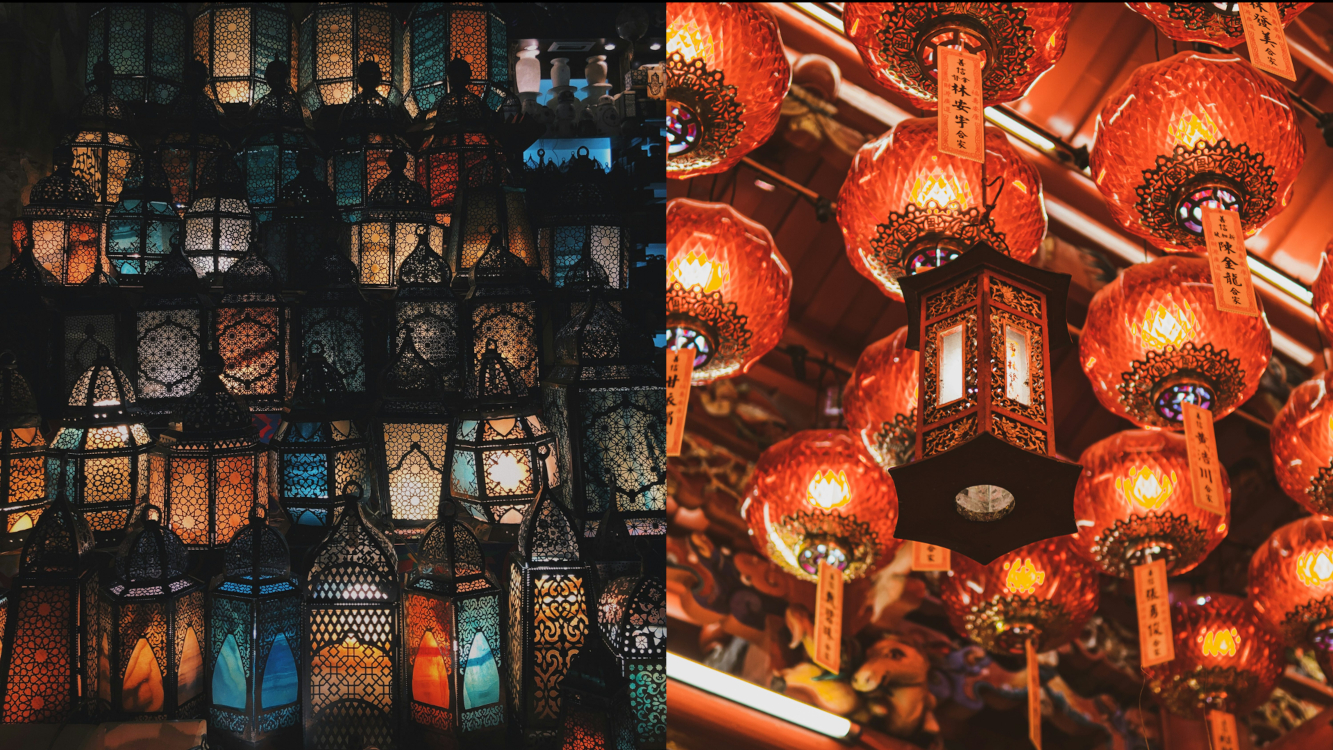
Ramadan and CNY: Peak Moments for DooH and Retail Media
This week two regions of the world are entering their most commercially significant cultural moments: Chinese New Year in Greater China and the beginning of Ramadan across the Muslim world. For the media and advertising industries, these periods mark annual peaks in consumer attention, mobility and spending. Digital Out‑of‑Home (DooH) and retail media, in particular, benefit from soaring demand and sharply rising CPMs as brands compete for visibility during highly emotional, high‑engagement seasons.

Ramadan: The Prime Advertising Season in the Middle East
Ramadan reshapes daily life across the Middle East, shifting routines, shopping habits and entertainment consumption. For marketers, it is the region’s equivalent of a “super‑season” – a period when audiences swell, media consumption surges, and brands adjust messaging to values of generosity, reflection and community.
Across Muslim‑majority markets, retail purchases rise dramatically: spending increases more than 40% during Ramadan and over 75% during Eid. The holy month is also the prime‑time window for the Middle East’s media industry. TV networks and streaming platforms release their highest‑budget dramas, creating evening appointment‑viewing that dominates cultural conversation. Advertising budgets follow suit, pushing total ad spend in the Gulf above USD 1.1 billion, with consumers overwhelmingly responding positively to campaigns that respect the spirit of the month.
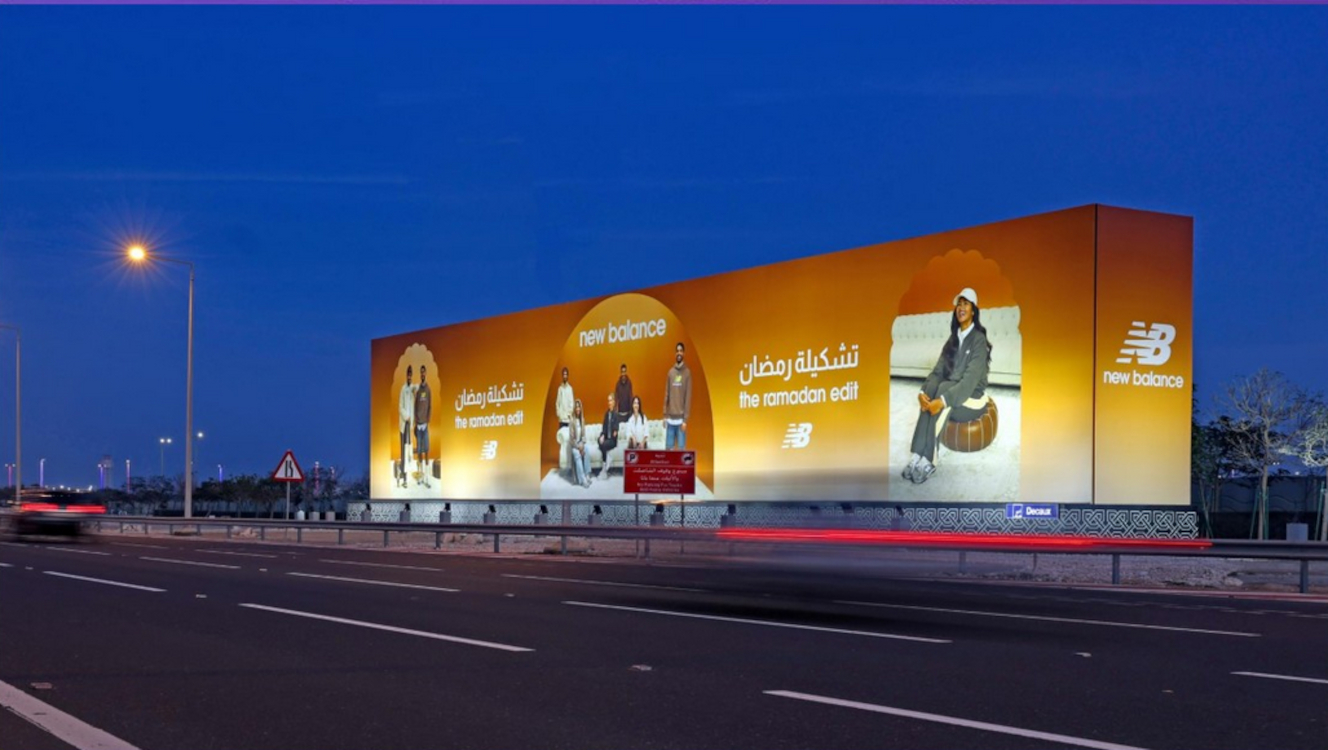
For DooH, Ramadan is the most valuable period of the year. Traffic patterns shift – daytime movement declines, while late‑afternoon, Iftar and late‑evening activity surge. This creates powerful windows for high‑impact outdoor placements. In Dubai, for example, an estimated 80% of residents notice outdoor ads during Ramadan when travelling to shop, dine or gather with family.
DooH messaging during the month often blends cultural motifs such as lanterns, dates or greetings like “Ramadan Mubarak” with value‑driven messaging that focuses not on selling, but on togetherness, empathy and community support. Many brands use DooH to highlight charitable initiatives, meal‑distribution campaigns or community partnerships. In some Gulf markets, advertisers even remove food images during daylight hours to respect those who are fasting – a practice that strengthens brand trust across diverse audiences.
Retailers also benefit from the massive surge in demand for essentials and festive purchases. Discounts of up to 70% are heavily promoted via mall screens, roadside networks and integrated DooH‑to‑mobile experiences. With high smartphone penetration across the region, QR codes, mobile retargeting and data‑driven relevance are increasingly standard, bridging physical screens and digital customer journeys.
Chinese New Year: A High‑Traffic, High‑Emotion DooH Opportunity
In Greater China, Chinese New Year (CNY) serves a similar role: it is the most important cultural and commercial moment of the year- comparable to Christmas in Western markets, but on a larger scale. CNY triggers Chunyun, the world’s largest human migration, as hundreds of millions travel home, driving enormous footfall through airports, train stations, highways and shopping centres. These become the key battlegrounds for DooH visibility.
Advertisers tap into deeply emotional themes – family reunions, prosperity, the zodiac animal of the year (2026: the fire horse) – to create festive, resonant campaigns. DooH and retail media networks increasingly integrate interactive features, allowing brands to merge physical screens with mobile experiences and social platforms.
Because CNY drives high‑value gift‑giving, campaigns often spotlight premium products, luxury brands and limited‑edition releases. Localization is crucial: effective campaigns adapt messaging to regional customs and dialects, acknowledging the cultural nuances between northern and southern China.
Two Cultural Peaks – One Advertising Pattern
Though culturally distinct, Ramadan and Chinese New Year share the same media and retail dynamics:
- Shopping peaks in the weeks leading up to festivities
- Travel and mobility patterns shift dramatically, creating new DooH touchpoints
- Emotional, value‑driven storytelling outperforms functional messaging
- Retail media surges as consumers prepare for gatherings, gifting and celebration meals
- DooH becomes a cultural canvas, not just an advertising channel
For DooH and retail media networks, both Ramadan and CNY rival the commercial impact of Western Christmas. They generate unmatched seasonal relevance, reshape urban movement patterns, and offer brands rare windows to engage audiences at scale. For retailers, FMCG brands and mobility‑driven advertisers, these periods are not only moments of cultural significance – but also the most lucrative advertising seasons of the year.