Düsseldorf | A noticeably positive mood is spreading among exhibitors and visitors at Euroshop 2026. After years of brick‑and‑mortar retail stagnating and digital investments being postponed, many hope that the market is finally turning a corner. The shared sentiment sits somewhere between necessity and renewed optimism. Retailers know they need to keep investing, even if budgets remain tight.
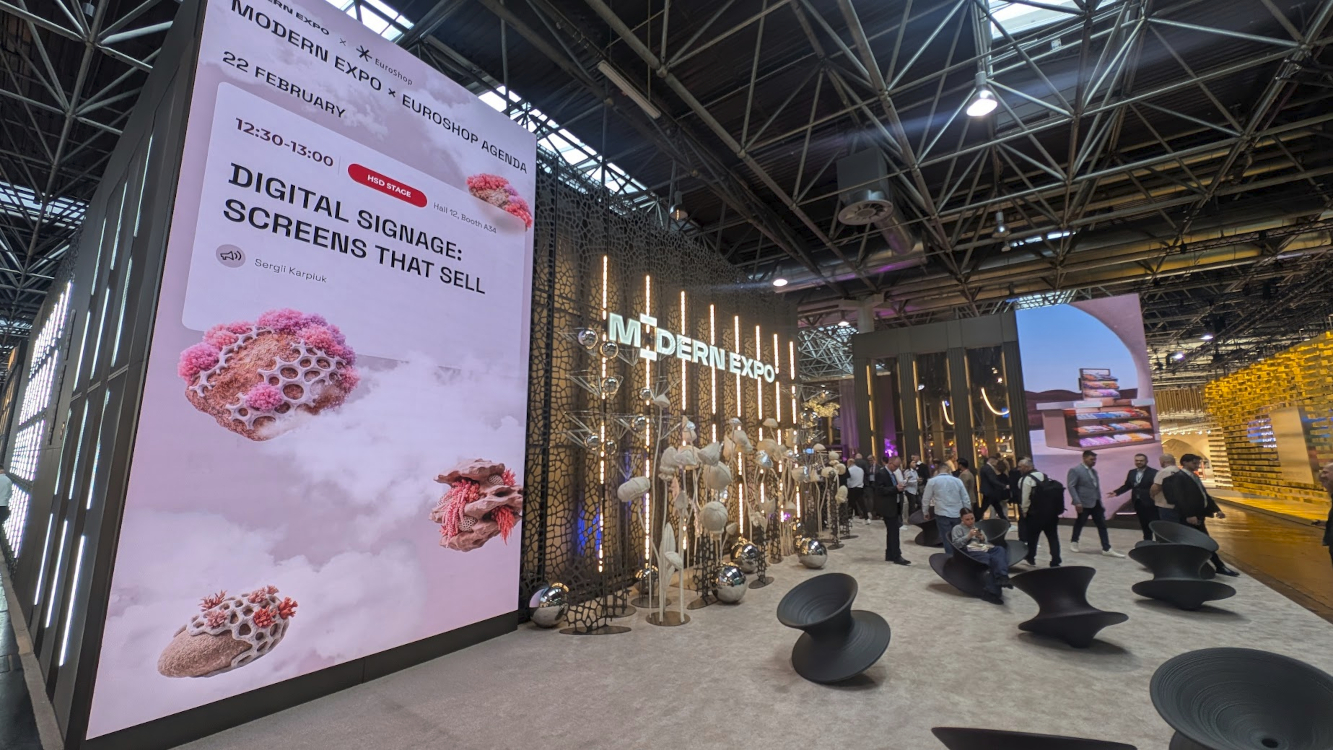
Euroshop 2026: Positive Mood Despite Tight Retail Budgets
While the retail sector as a whole remains under pressure, providers of digital signage and digital retail technologies are faring comparatively well. The strongest momentum is coming from Retail Media Network (RMN) projects. Unlike classic digital signage rollouts, which can be executed step‑by‑step over several years, RMN deployments require broad, simultaneous expansion to deliver meaningful reach. That urgency is unlocking budgets even in more cautious retail organizations. Alternatively, retailers turn to RMN specialists to shoulder the CAPEX as part of a meaningful revenue share contract.
AI‑on‑the‑edge is another theme reshaping in-store infrastructure. Many retailers are beginning to experiment with locally deployed AI models for analytics, automation, and personalized services – a development that often requires upgrading the in‑store network. The technology is still in its early stages, but its presence at Euroshop is unmistakable. Numerous digital signage exhibitors are showcasing AI-powered retail experience concepts with impressive wow‑effects. Yet, the enthusiasm contrasts with a market reality: retailers remain cautious in their overall investment behavior.
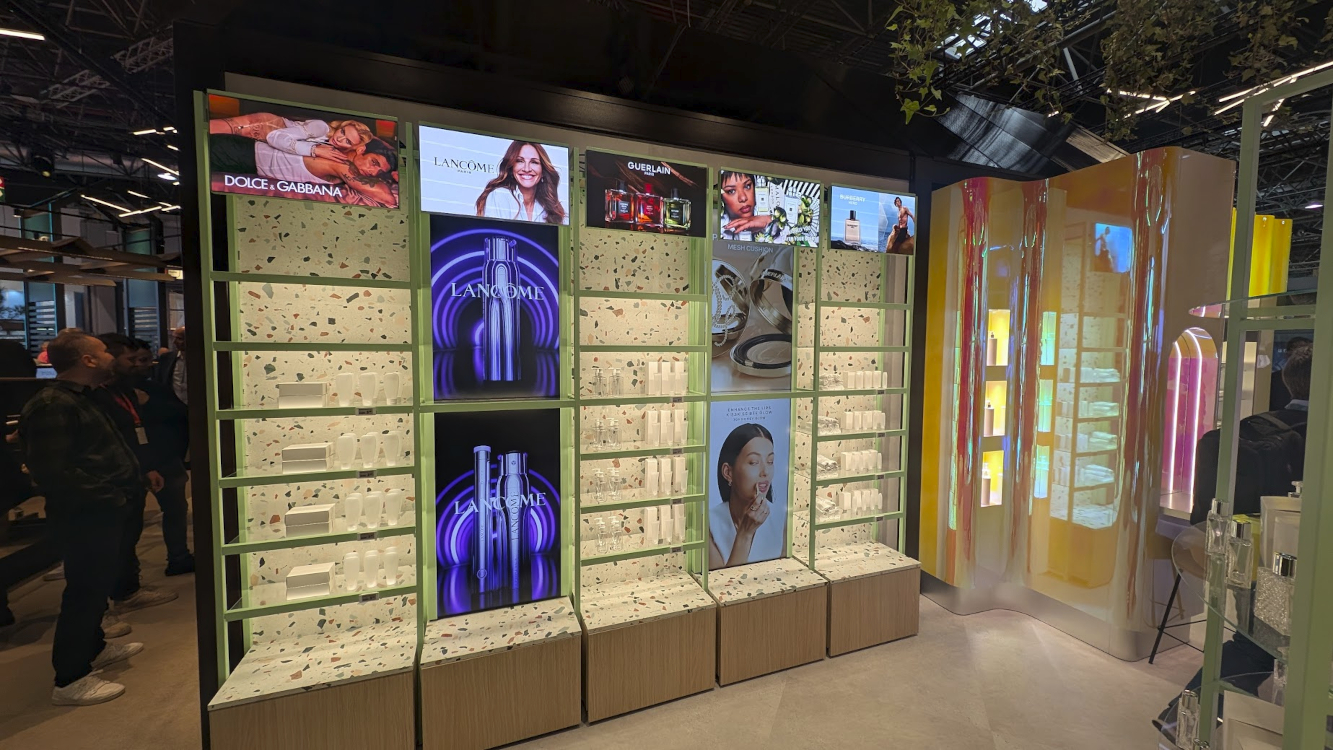
Fewer stores, smaller budgets, bigger pressures
The structural challenges retail is facing remain significant. In Germany alone, the number of stores has dropped in the past 15 years from 400,000 to 300,000 – a decline largely driven by e-commerce and shifting consumer habits. With fewer locations, investment volumes have shrunk. Total retail spending on new construction, expansion, and refurbishment is projected to reach €7.02 billion in 2025, more than €2.1 billion less than at last Euroshop in 2023.
Retailers are focusing on optimizing existing locations before opening new ones. Most new stores emerge in the discount non-food, drugstore, and supermarket sectors – often as relocations rather than true expansion. Net growth is minimal, and investments are tightly controlled.
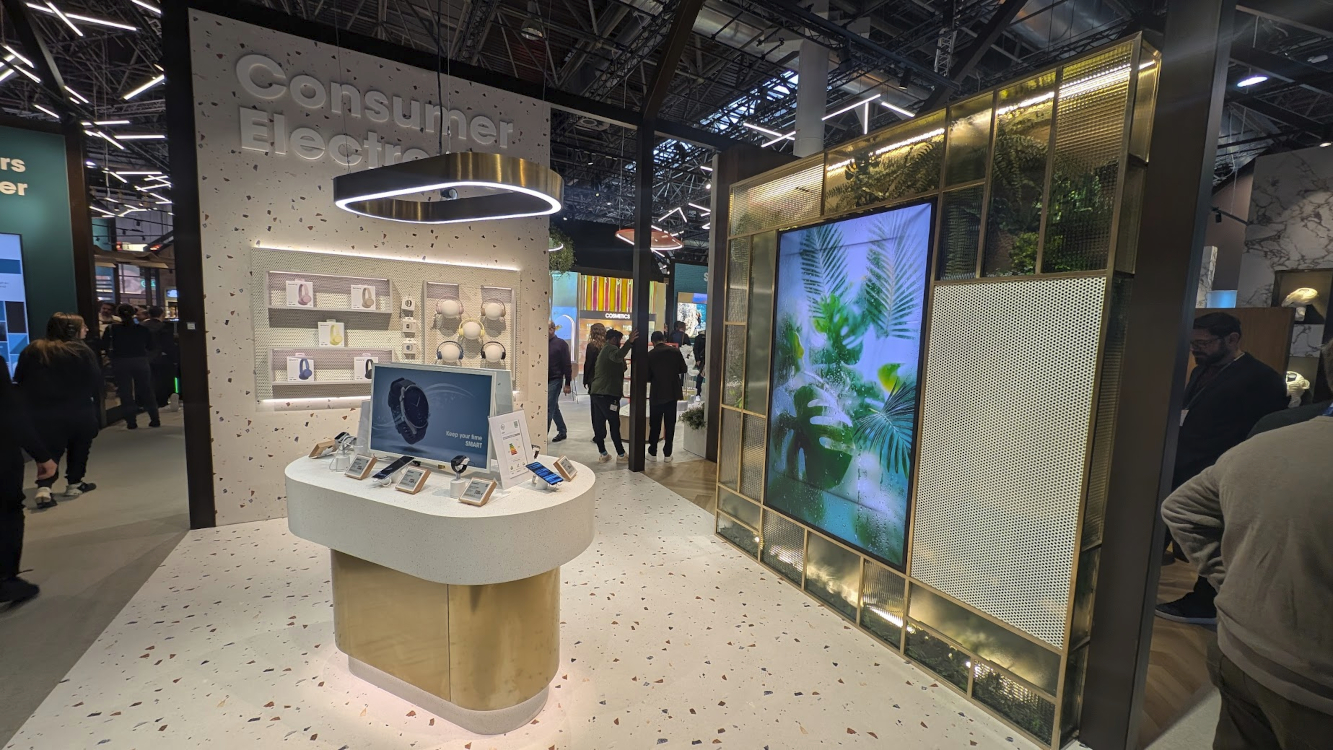
Food retail remarkably strong – but money flows into refrigeration
One bright spot is food retail. In 2025, grocery retailers invested significantly more in their store formats. Smaller stores up to 2,500 square meters have seen investment levels of €961 per square meter, up 13% compared to 2022. Larger stores are also investing more, though growth there is moderate.
However, much of this money is being absorbed by refrigeration technology – a category undergoing rapid transformation. New regulatory tightening around F‑gases is accelerating the shift to energy‑efficient refrigeration systems. As a result, food retailers often have less capital left for store design, interior architecture, or experiential digital elements.
Retailers are responding by turning to more affordable materials, adjusting quality levels, and reusing existing fixtures. The goal remains a high-quality appearance, but the path to achieving it has become more cost‑conscious – a strategy long practiced in the fashion sector.
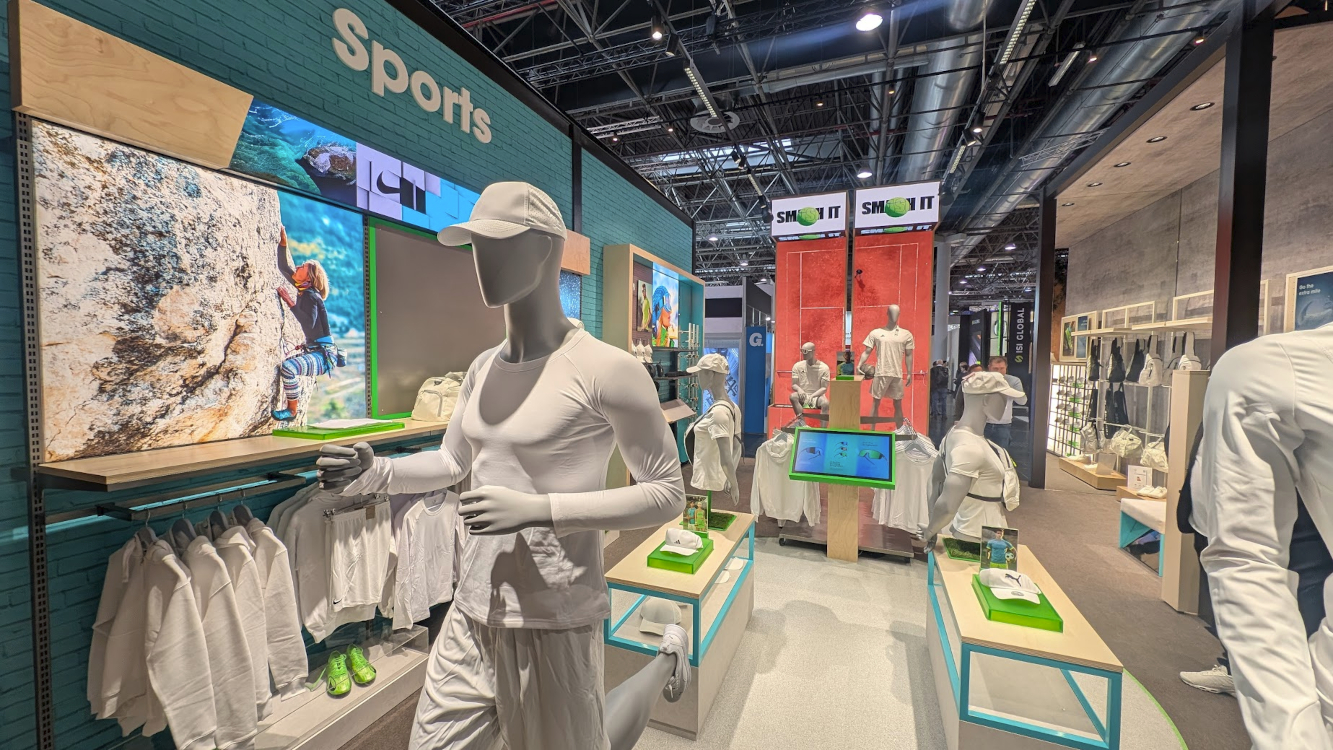
Fashion retail cuts back while staying creative
Fashion, footwear, and sporting goods retailers are investing less overall. Setup costs for new specialty stores have dropped by around 10% to €590 per square meter. Even so, expectations for visual merchandising remain high. Retailers have simply become more efficient: concepts are being optimized for aesthetics while adhering to strict budget discipline. Renovation cycles reflect this shift – averaging 12 years in food retail and just under nine years in non-food.
Sustainability becomes standard practice
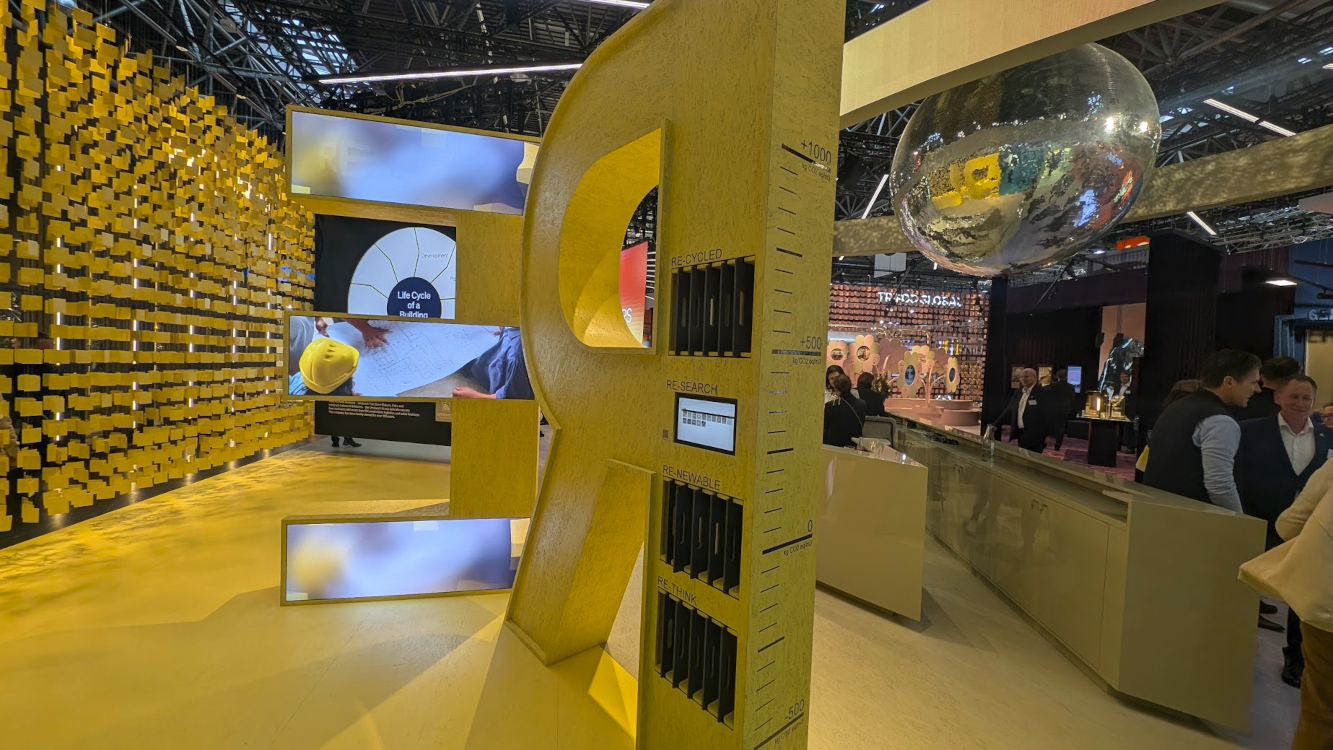
Across sectors, sustainability has moved from a trend to a fundamental planning principle. Retailers are extending the lifespan of furnishings, reducing material consumption, and increasingly reusing fixtures during renovations. On average, around half of all fixtures are reused, and more than 40% of retailers now operate circular systems or collaborate with suppliers offering them.
Retailers are also raising their expectations toward suppliers and shopfitters. They seek partners who can provide innovative materials, sustainable product concepts, and technical expertise. Co‑development of new or revised furniture and fixture types has become more common, driven by the combined forces of cost efficiency and sustainability. Procurement and tendering processes are playing an important role in accelerating these shifts.