Why the ProAV pioneer is repositioning itself in digital signage – and why reliability is Sony’s strongest, yet most underrated, asset. invidis met with Bradley Hanrahan, Sony’s Head of Global Alliances.
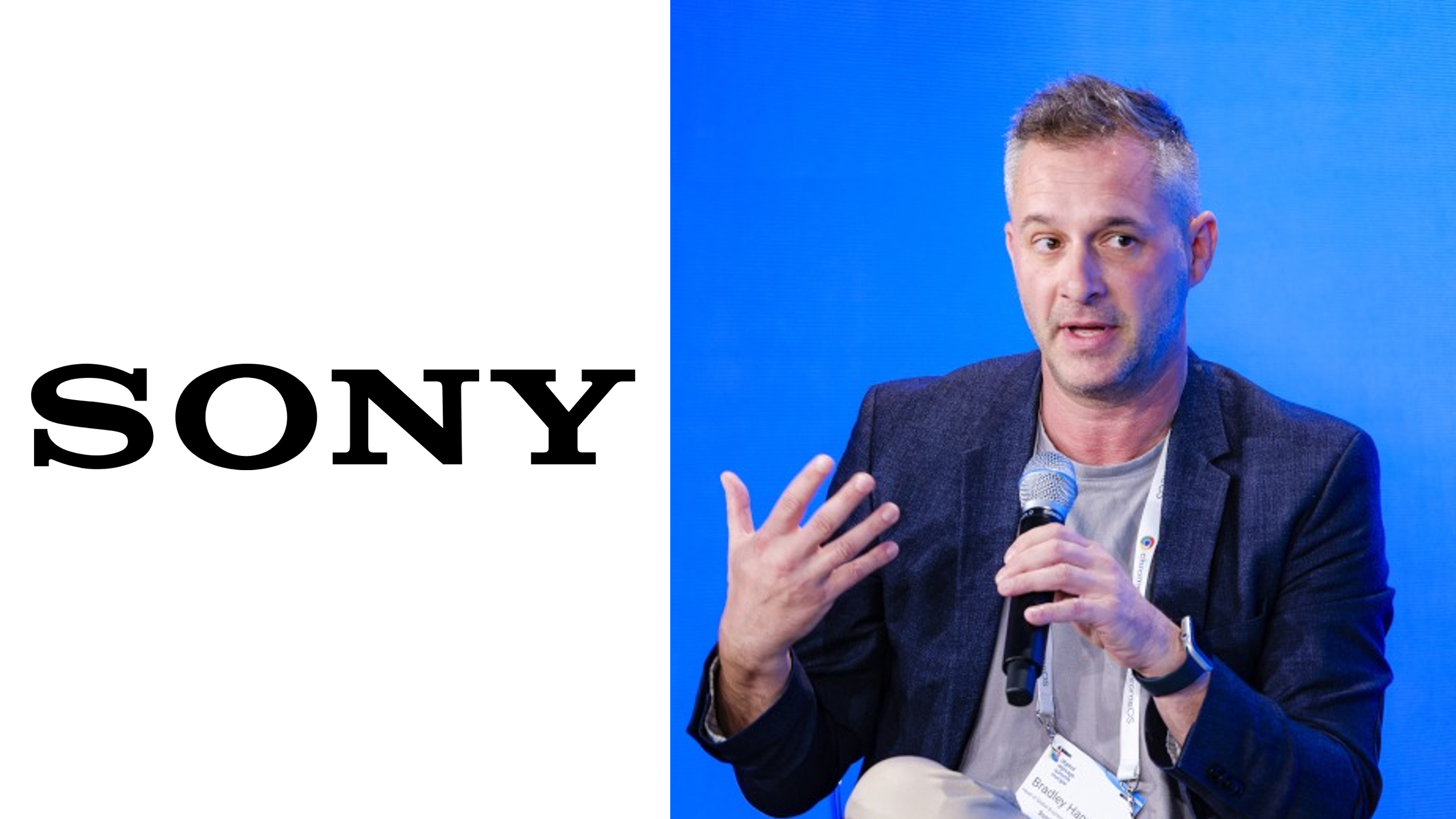
Sony: “We Have the Best Reliability in the Industry”
Sony is one of the biggest and most trusted brands in professional AV. Yet in digital signage, the Japanese manufacturer has not always managed to keep pace with the rapidly evolving market. For years, Sony’s B2B portfolio lacked certain features that have become standard in signage: even bezels and a SoC operating system widely adopted across the DS ecosystem. As a result, many of Sony’s genuine strengths – from sustainable design to long‑term reliability – remained under the radar.
The interview was conducted right before the announcement of Sony’s carve-out of its display business into a Joint Venture with TCL — which, however, will not take effect until next year. We at invidis are convinced that Sony’s technical expertise will continue to play an important role in the JV.
At ISE 2026 Sony is presenting its latest generation of digital signage solutions that address the former shortcomings. To understand how Sony plans to reassert itself, invidis spoke with Bradley Hanrahan, Sony’s Head of Global Alliances. From his base in New Zealand he has spent more than seven years shaping Sony’s global alliance strategy.
Reliability as Sony’s core promise
There is one topic Hanrahan is especially passionate about: reliability. “You can’t judge the true quality of a digital signage display on day one,” he says. “Every screen looks great out of the box. But after years of operation, the wheat is separated from the chaff. After five years, the image should look as good as it did on day one. Sony displays have the best reliability in the industry. This has been proven for decades.”
For digital signage operators facing rising energy costs and tighter sustainability requirements, long‑term stability is more than a nice‑to‑have – it’s a crucial driver of total cost of ownership (TCO). “Customers expect at least seven years of lifetime and low power consumption,” Hanrahan explains.
Sony equips all professional displays with integrated sensors that automatically adapt brightness to ambient lighting conditions. During setup, integrators are actively guided to enable all green signage features, ensuring that sustainability benefits do not get lost in configuration. One standout function is Dynamic Power Management, which adjusts power usage and operating parameters based on external factors.
For Sony, sustainability is not a marketing claim – it’s an engineering principle. The company has long prioritized renewable materials, operational efficiency, and hardware durability, even if these qualities were not always visible in spec sheet comparisons.
Open ecosystems instead of closed worlds
Sony also wants to differentiate itself with ecosystem openness. Traditional ProAV solutions often rely on proprietary control and integration frameworks, but the market has shifted: enterprise customers increasingly expect open, IT‑friendly platforms.
“Sony stands for openness. With OpenAPI, we invite partner solutions and third‑party enterprise tools,” says Hanrahan. “Closed systems limit innovation in the long term. The future is open.”
For global customers operating complex digital signage networks, an open architecture simplifies integration, enables flexible software choices, and reduces vendor lock‑in.
A global strategy for global partners
Digital signage is inherently global – large enterprises expect consistent support, identical pricing models, and standardized management tools across all regions. Sony’s answer is a modular global partner program.
“We globally harmonize pricing, technical support, local relationships, and offer a single global warranty,” Hanrahan explains.
For Hanrahan, close partnerships with CMS and device management providers are central to the strategy. “We are trusted partners globally – actively managing relationships. It’s not easy, but with open communication and strict internal SLAs we ensure we are always the most reliable partner.”
The road ahead: reliability meets openness
Sony enters 2026 with a sharpened message: reliability, sustainability, openness, and global support are not extras – they are strategic pillars for the next wave of digital signage growth. While the company may have fallen behind on some market‑driven features in past years, its engineering DNA and global partner ecosystem remain formidable assets.
If Sony can successfully combine its traditional strengths with a more signage‑focused portfolio, the Japanese pioneer may well regain a leading role in the professional display market.