Munich | Sony’s decision to divest its TV and display business marks the end of an era. The Japanese pioneer – once synonymous with innovation in both consumer TV and professional displays – is preparing to hand over its display legacy to a new joint venture. The partner is no surprise: TCL, the world’s number two TV manufacturer, will take a majority stake and combine its display operations with the Sony and Bravia brand rights.
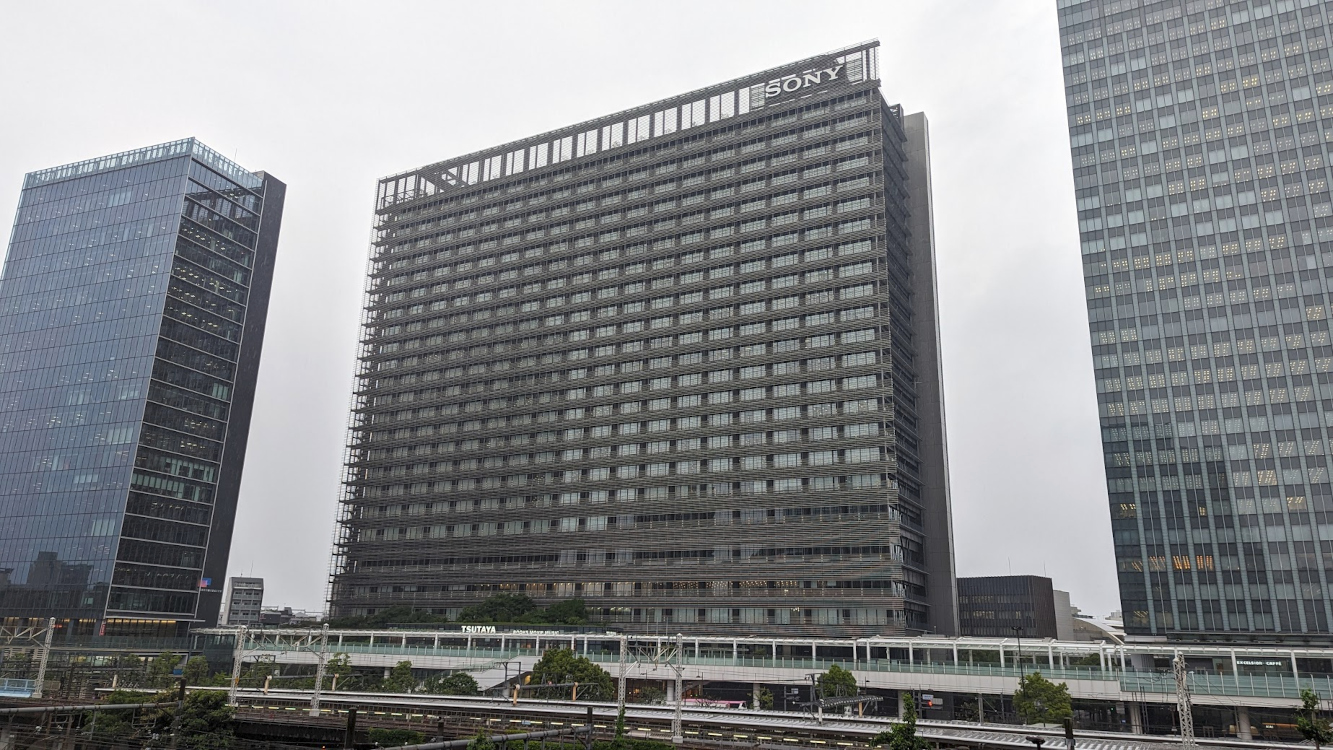
Opinion: Why Sony Became Too Small for the Display Business
For Sony, the move (invidis article) is the logical consequence of a long‑running decline. As the global consumer TV market contracted sharply after the pandemic boom, the entire TV and entertainment division – which also includes Sony’s professional display business – came under increasing pressure. The company simply became too small for a market that rewards scale above all else.
A familiar pattern in the display industry
Sony is not the only one stepping back from the display business. Philips paved the way more than a decade ago when it transferred its TV and display operations to TPV, the Taiwanese‑Chinese manufacturer. Five years ago, NEC also began divesting its professional display unit – today fully absorbed into Sharp, which itself belongs to Foxconn, the world’s largest contract manufacturer.
Across the industry, the same pattern repeats itself: renowned global brands exiting the display business, while factory operators in China acquire legacy names to differentiate themselves from a sea of anonymous OEM labels. The Turkish manufacturer Vestel who tried to compete with Chinese suppliers ultimately withdrew from the ProAV brand business in late 2025.
A market that outgrew its legacy brands
LCD panel manufacturing remains one of the most capital‑intensive segments in the electronics industry, requiring investments of more than five billion USD per production facility. Only a handful of players can afford this scale – and nearly all of them are headquartered in China.
The display business has also consolidated around software and platform ecosystems. Samsung and LG set the tone with their own SoC‑based platforms, redefining expectations in digital signage. Meanwhile, the LCD cell business – the core technology behind most displays – has concentrated into the hands of fewer than a handful of suppliers.
Even Korean giants Samsung and LG, once dominant in LCD technology, could no longer withstand the price and scale pressure from Chinese panel makers supported by state backing. They sold off factories and patents, including to TCL – Sony’s new partner in the joint venture.
Today, Chinese manufacturers with government participation, especially BoE and TCL, produce more than two‑thirds of the world’s LCD panels. The remaining share is split among Taiwanese suppliers such as AUO and Innolux.
Why Sony’s divestment makes sense
Against this backdrop, Sony’s withdrawal is less a surprise and more an inevitability. The display business thrives on massive production volumes, thin margins and economies of scale – and Sony simply lacked the market share to compete at the top.
For TCL, the timing could not be better. The latest generation of Sony Bravia screens – set to debut at ISE in a few days – represents a significant leap forward. Access to Sony’s brand power and image processing expertise will complement TCL’s manufacturing scale, creating an alliance that could reshape the landscape of both consumer and professional displays.
Sony, once a cornerstone of the global display market, will eventually hand the baton to a new generation of players. In today’s display industry, scale wins – and Sony no longer had enough of it.