
New York City | This year’s NRF Retail Media Network conference showed a sector on the cusp of scale: U.S. retail media is expected to hit critical mass in 2026, yet two uncomfortable realities persist – the dominance of Amazon and Walmart and the lack of mature in-store measurement.

NRF 2026: The Sleeping Giant Finally Wakes
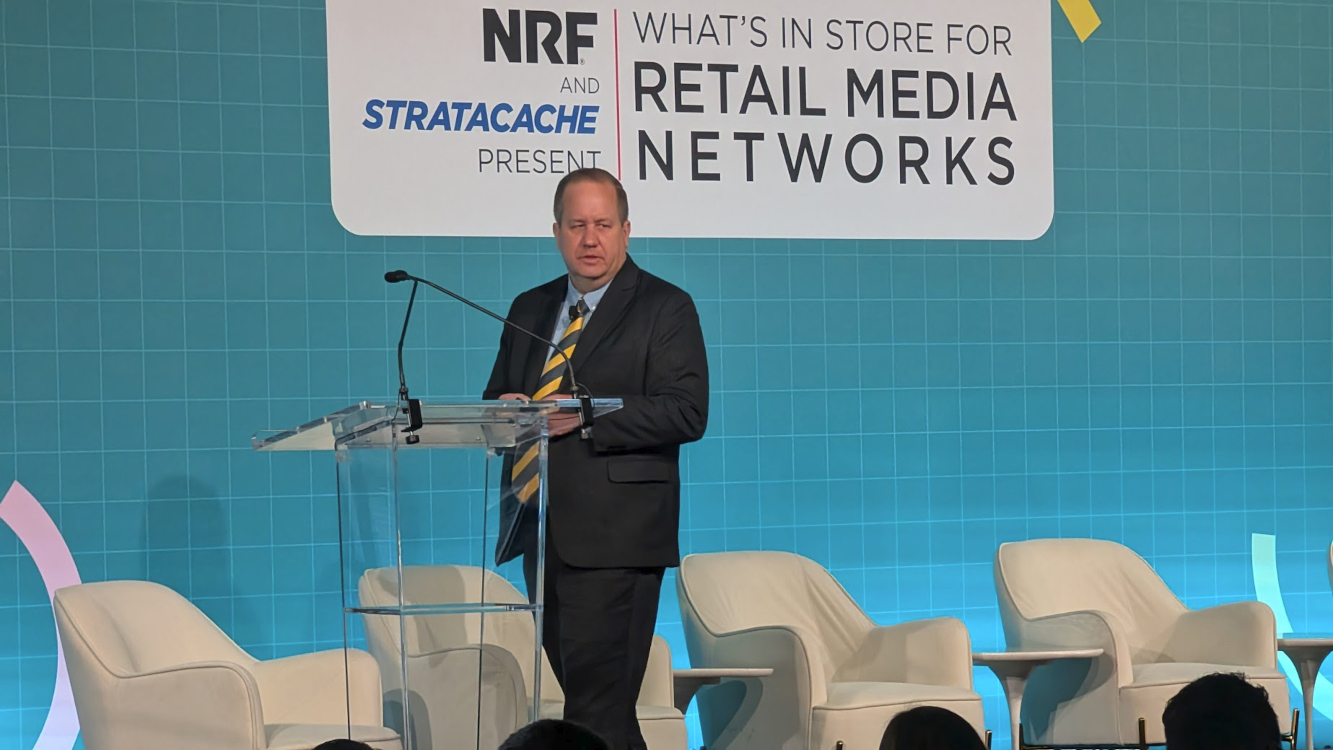
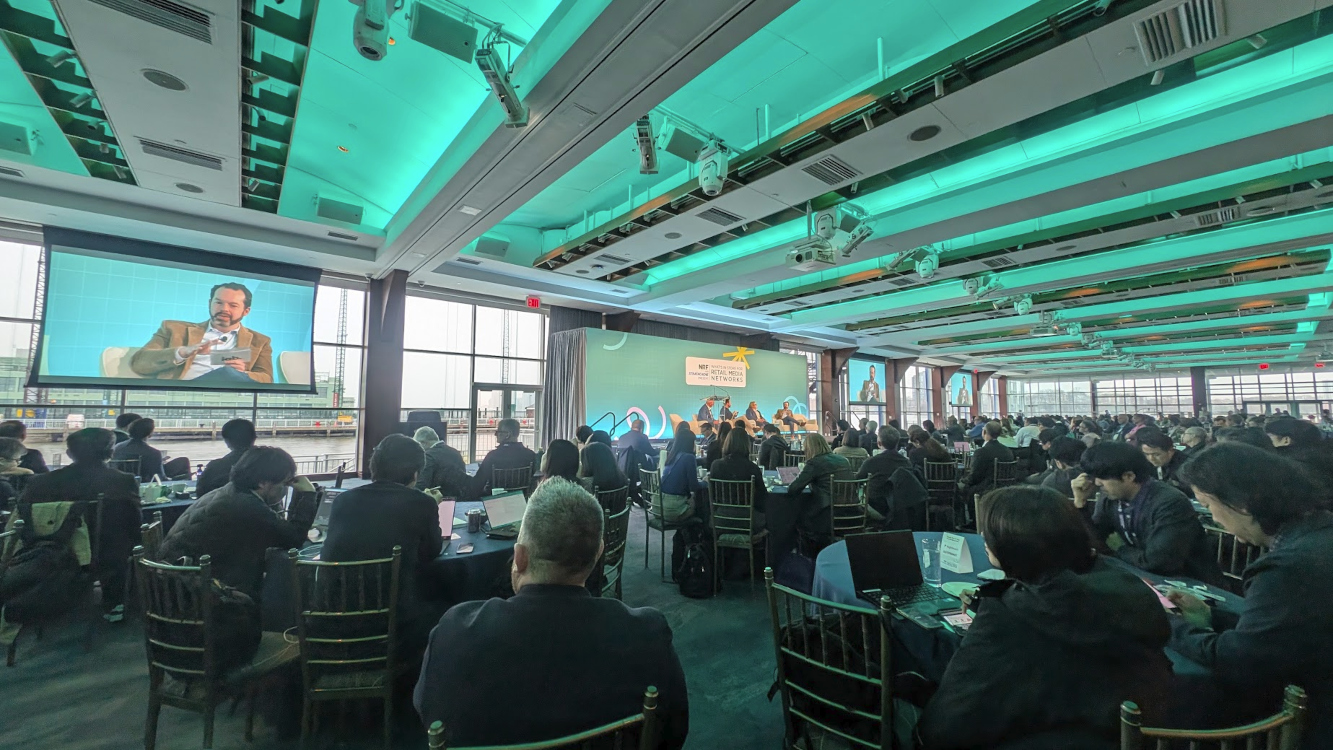
When 550 retailers, digital signage specialists, and media professionals turn up to a conference on a Saturday morning at 8 a.m., it’s a clear signal the topic matters. The third “What’s In‑Store for Retail Media Networks” conference, organized by Stratacache and the NRF, has firmly established itself as the go‑to event for the global in‑store retail media industry.
Outside, a rainy New York winter morning painted a rather gloomy picture. Inside, however, the mood couldn’t have been more different. In his opening keynote, Stratacache CEO Chris Riegel described the current state of in‑store retail media as the awakening of a sleeping giant – a metaphor that resonated throughout the day.
The mist‑covered view across the Hudson River, partially hidden by rain and fog, unintentionally provided a fitting metaphor for the industry’s biggest unresolved challenge: the lack of transparency in attributing sales to instore retail media.
While the technology to measure presence, exposure, and purchase effects already exists, broad‑scale implementation and, even more importantly, generally accepted industry standards remain elusive. Until that visibility improves, the full economic potential of in‑store retail media will stay just out of clear sight.

Amazon and Walmart continue to dominate the U.S. retail media market
Retail in North America comes with a structural peculiarity: the overwhelming dominance of Walmart in physical retail and Amazon in e-commerce. In retail media, this imbalance is even more pronounced. Together, the two capture between 80 and 86 percent of all U.S. retail media revenues, leaving only a comparatively small share for the rest of the market.
For 2025, total retail media spend in North America is estimated – depending on the source – at USD 65–78 billion. Growth projections for 2026 remain strikingly strong, ranging from 17 to 24 percent, making retail media one of the fastest‑growing media segments, second only to AI‑powered search. This pace of growth underlines a central paradox: despite its momentum, in‑store retail media remains underdeveloped, even though the physical store is arguably the most AI‑resilient media touchpoint available to advertisers.
While the dominance of Amazon and Walmart is unlikely to weaken – and may even become structurally entrenched – the remaining USD 20 billion represents organized retail’s high‑margin opportunity. Capturing this revenue, however, requires more than screens and inventory. Retailers and the broader RMN ecosystem must deliver operational excellence, reliable measurement, and consistent content quality that can compete – at least in effectiveness, if not in scale – with the two market leaders.
From Funnel to Flywheel
Retail has a strong right to win in the media market. No other channel combines massive footfall with exclusive first‑party data at a comparable scale. This combination creates an advantage over pure e-commerce and fuels the retail media flywheel.
The fundamentals are compelling: around eight out of ten purchases still take place in physical stores. Yet retail media cannot be treated as an isolated discipline – neither online nor in‑store. Campaigns must follow the consumer journey before, during, and after the store visit.
How tightly interwoven the digital and physical worlds have become is evident in a single number: around half of all shoppers use their smartphones while in‑store. At the same time, Gen Z initiates roughly 40 percent of purchase journeys on social media, favoring scenario‑based media planning over linear, funnel‑driven paths. Retail media strategies that fail to bridge these touchpoints risk missing shoppers precisely when purchase intent is highest.
Measurement remains the bottleneck
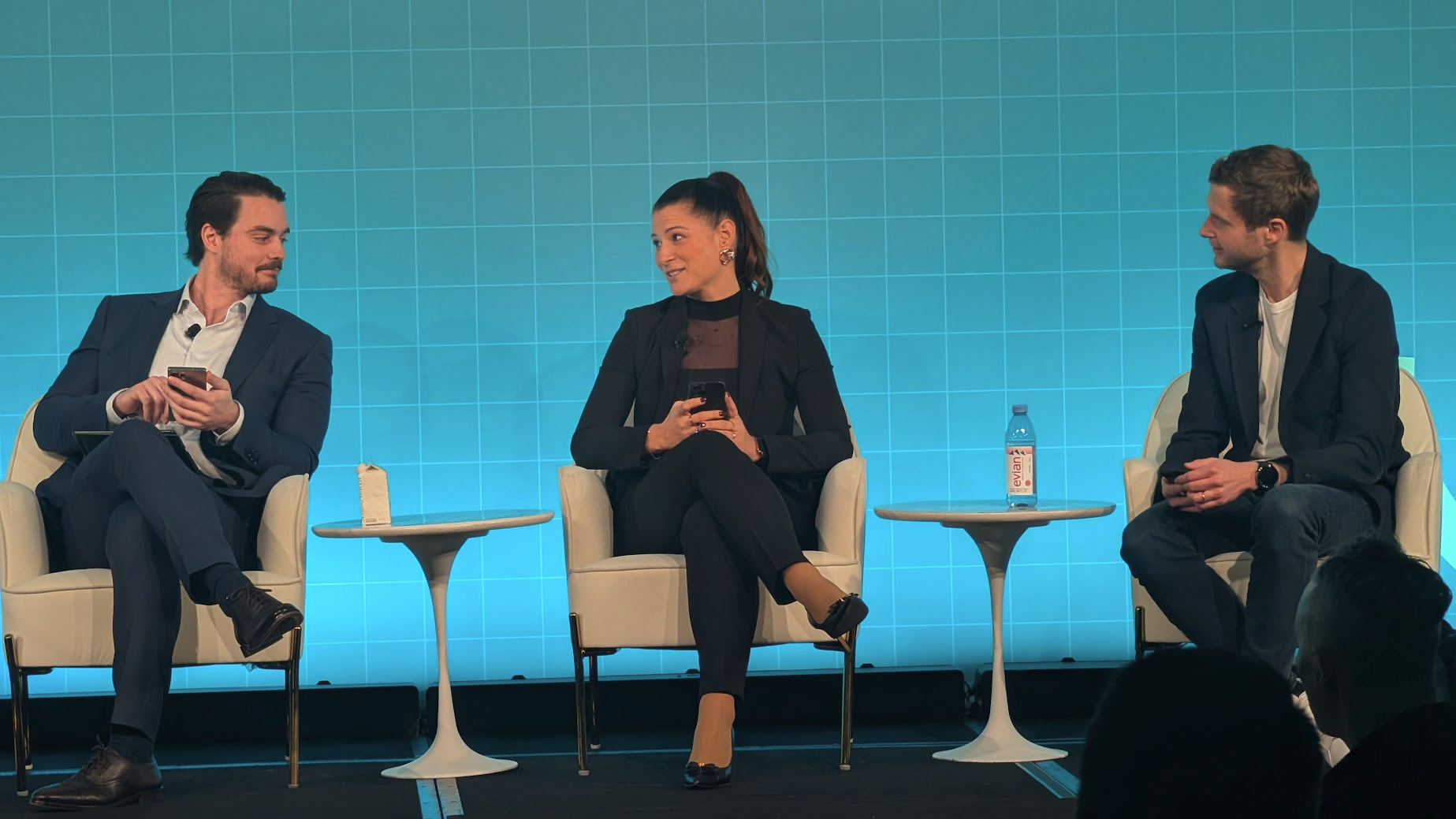
Across keynotes and panels, a single theme dominated the conference discussions: how to turn the “sleeping giant” into a scalable business. The diagnosis is widely shared. Retail media reaches buyers – not just viewers – but still lacks standardized measurement for presence, dwell time, impact, and attribution, particularly when it comes to cross‑channel comparability with online media.
Measurement solutions do exist. Technologies for presence detection, exposure modeling, and transaction linkage are available and proven in pilot environments. What remains missing is broad implementation at scale and a commonly accepted industry framework that builds trust among advertisers.
While robust measurement can be rolled out relatively quickly in selected test stores to generate credible data and confidence, the industry faces another constraint: a talent gap. Many retailers still lack teams capable of reading, interpreting, and translating audience data into actionable insights. Closing this gap may prove just as critical as deploying the technology itself.
The next Stratacache Retail Media Network Conference “Exploring the European Instore Opportunity” takes place on 23 February at Euroshop 2026 in Düsseldorf.