
Connecting back‑of‑house data with customer‑facing displays remains one of the biggest digital signage gaps in the foodservice industry. A new integration between Apicbase and Bmedia Group now automates the entire data‑to‑display workflow – delivering real‑time menu updates, greater accuracy, and a more transparent guest experience.
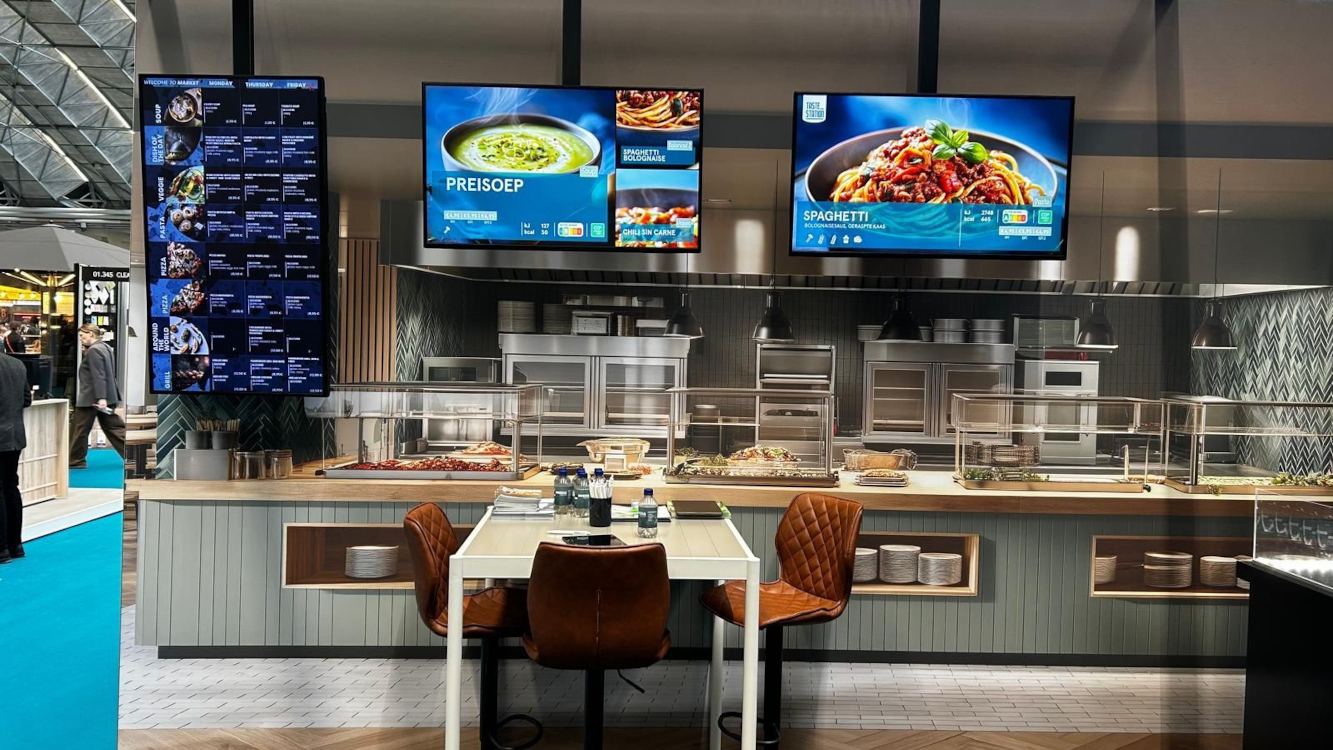
Data-to-Display: Kitchen Intelligence Meets Digital Signage
Bridging the divide between kitchen data and front‑of‑house communication remains a long‑standing operational challenge in foodservice. Unlike global QSR chains with standardized menus and tightly aligned workflows, many foodservice operators still rely on manual updates for menu boards, pricing, and allergen information – a process that is inconsistent across sites, time‑consuming for staff, and highly prone to errors.
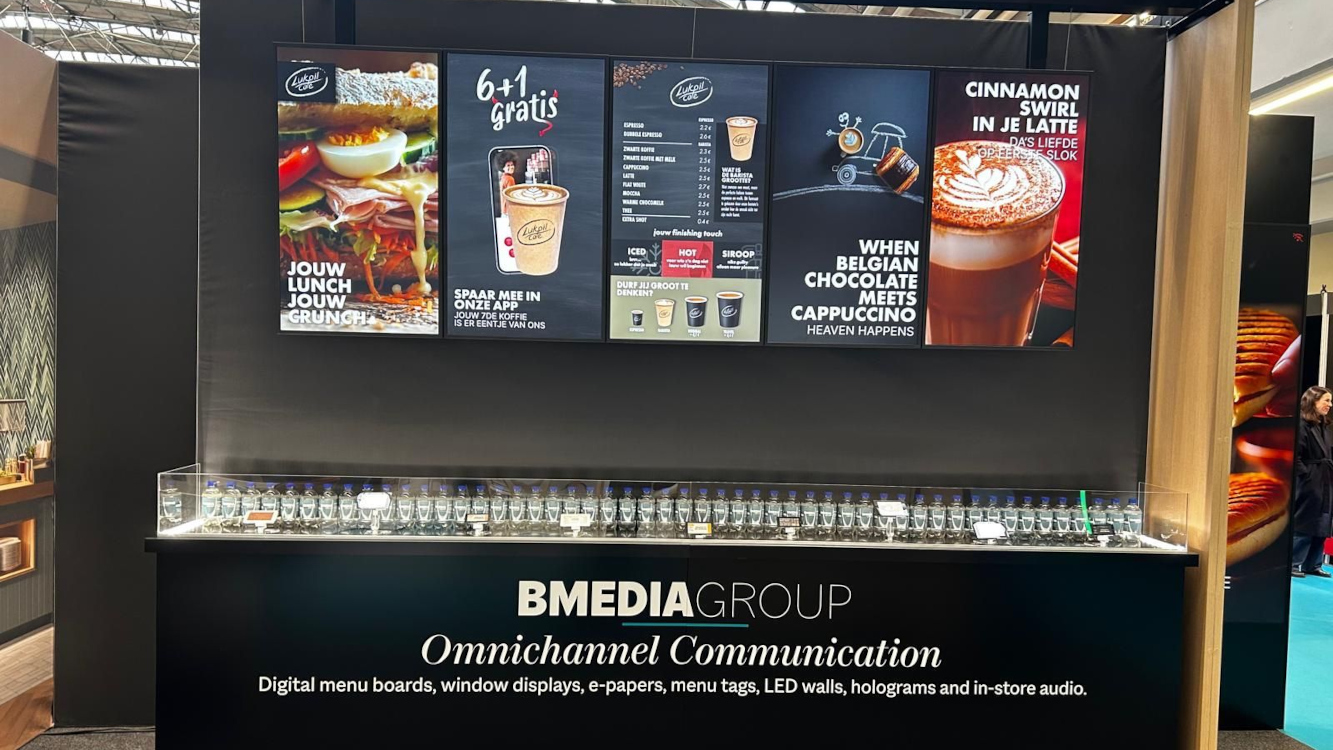
Automating the menu workflow
To solve this, two Belgian specialists – digital signage expert Bmedia Group and hospitality management platform provider Apicbase – have introduced a fully automated data‑to‑display workflow that synchronizes live kitchen data directly with every customer‑facing screen. The integration connects Apicbase’s kitchen management suite with Bmediagroup’s digital signage CMS, enabling real‑time publication of menus, pricing, nutritional values, allergens, and sustainability indicators across digital menu boards, order kiosks, ESL, and POS screens.
Foodservice industry teams spent hours each week updating individual displays and devices. With the new workflow, operators can reduce manual work by as much as 30 percent per site, significantly lowering the risk of outdated or incorrect information.
Accurate, visually consistent communication is becoming a key revenue driver. Studies show that well‑managed digital menus can increase point‑of‑sale conversion by up to 20 percent, particularly when nutritional or promotional information is clear and up-to-date. The move from printed materials to digital workflows also reduces each location’s environmental footprint by roughly 40 percent, as menu updates no longer require paper replacements.
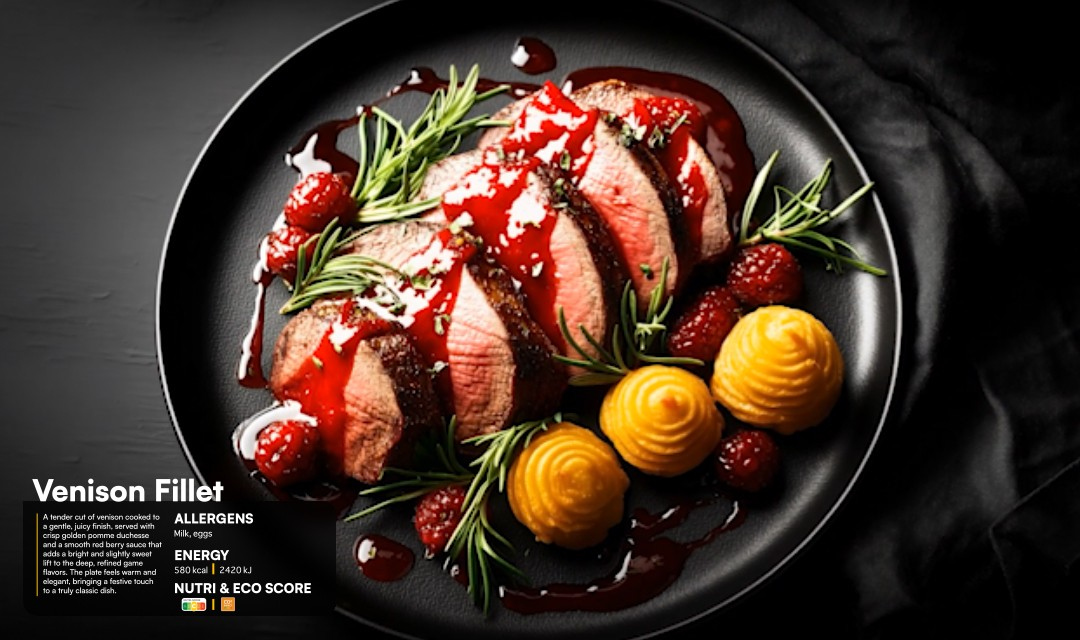
From kitchen data to customer experience
The offering combines the two complementary platforms. Apicbase centralizes recipe management, inventory, menu engineering, and purchasing in a single back‑of‑house system. Foodservice operators use the platform to improve margins, reduce food waste, and streamline administrative work. This structured, accurate data then feeds directly into Bmediagroup’s CMS and DMS environment, which publishes content across every customer‑facing channel – from menu boards and e‑paper displays to kiosks and POS terminals.
The combined workflow removes the need for double‑entry and manual formatting. Every update flows seamlessly from kitchen data to digital display.
Meeting the demand for transparency
The integration also aligns with rising guest expectations for clear, reliable information. Customers increasingly look for nutritional values, allergen warnings, and sustainability insights such as carbon footprint indicators or healthier menu options. By automating data transfer from back‑of‑house systems to screens, operators can ensure that these details remain accurate, consistent, and available in real time.
Both companies already have strong international reach. Apicbase supports more than 400 brands in over 25 countries, helping operators standardise kitchen workflows across complex organizations. Bmedia Group delivers digital communication and signage solutions for leading European operators including Aramark, Autogrill (Avolta), and Sodexo.