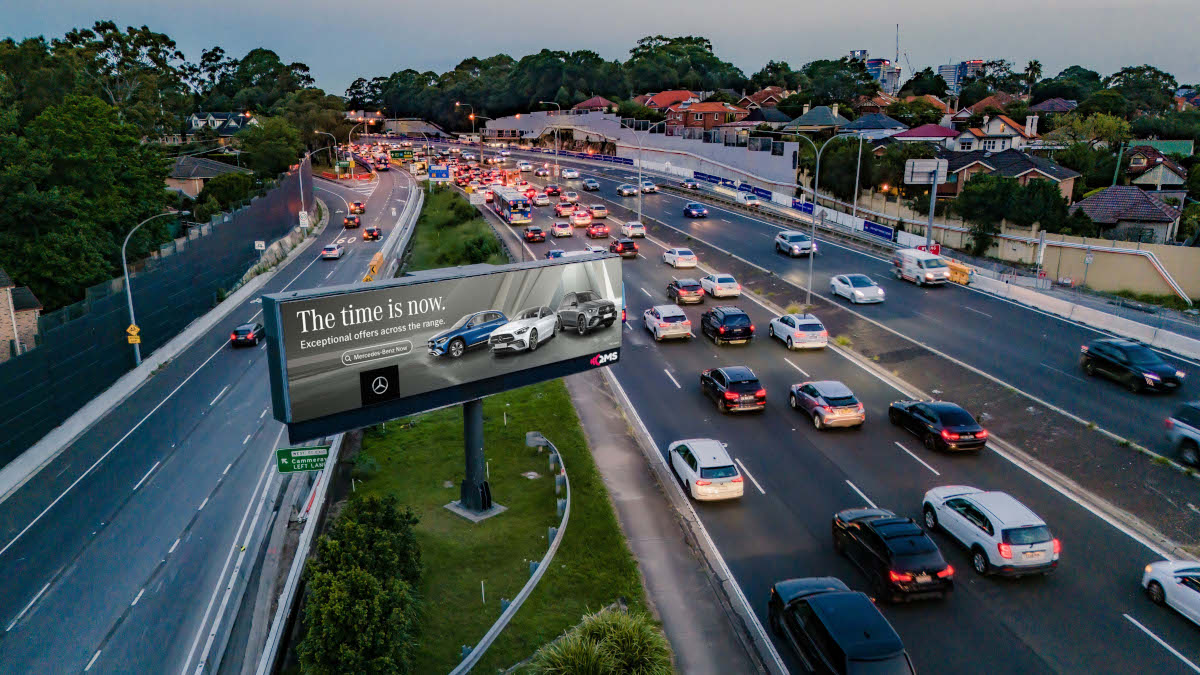
Australia’s largest media group, Nine Entertainment, sells its entire radio portfolio and acquires digital-out-of-home operator QMS – a signals that DooH is no longer an “add-on," but a core growth engine.
Australia: Media Giant Ditches TV & Radio for DooH
Nine Entertainment’s agreement to acquire QMS Media for an enterprise value of A$850 million marks one of the most significant moves in Australia’s out-of-home sector in recent years. The transaction, announced alongside the divestment of Nine’s talk radio assets and further restructuring of its regional TV interests, underlines a decisive strategic pivot: away from legacy broadcast formats and towards scalable, data-driven, digital media platforms.
For the OoH industry, the deal is a clear vote of confidence in digital-out-of-home (DooH) as a premium, long-term advertising channel.
From radio roots to roadside screens
Nine’s portfolio reshuffle is dramatic. As reported by The Guardian and other news sources, the company has sold its radio business – including 2GB, 3AW, and other major talkback brands – to the Laundy Family Office for A$56 million, citing ageing audiences and declining profitability. At the same time, regional broadcaster NBN has been converted to an affiliate model, further reducing Nine’s exposure to capital-intensive linear television outside metro markets.
The proceeds freed up by these moves are being redeployed into QMS, a DooH operator with a national footprint and one of the most valuable assets in Australian outdoor media: the City of Sydney digital street furniture and billboard contract.
Why QMS – and why now?
QMS brings scale, premium locations and digital infrastructure. Its network consists of 95% digital assets, including large-format roadside billboards, transport displays and high-impact city screens. Nine is also the holder of the lucrative City of Sydney contract.
Nine has been explicit about its intent: QMS inventory will be used not only as a standalone advertising channel, but also as a promotional and performance driver for Nine’s own assets – from newspaper subscriptions to its streaming platform Stan. In effect, Nine gains a national, always-on physical media layer to complement its television, publishing, and digital operations.
The Australian OoH Market
The Australia OoH and DooH market is concentrated around OOH! Media (shopping malls), QMS Media (city contracts), and JC Decaux (airports), who jointly command the majority of premium roadside, retail, and transport inventory. Strategic consolidation remains a defining theme as global majors seek scale economies across format types and rental contracts.
Australian OoH And DooH Industry Leaders:
- OOH! Media
- QMS Media
- JC Decaux Group
- Go Transit Media Group
- Torch Media
(Source: https://www.mordorintelligence.com/industry-reports/australia-ooh-and-dooh-market)
From an invidis perspective, this reinforces a broader global trend: major media owners increasingly see DooH not just as an advertising product, but as a strategic distribution channel in its own right. A comparable signal came from Europe with Bauer Media’s acquisition of Clear Channel’s Northern Europe business. As programmatic buying and data-driven targeting mature, DooH fits neatly into the omnichannel planning models advertisers now expect.
Financial and strategic implications
The A$850 million valuation reflects confidence in the long-term cash flows of premium DooH assets, despite broader economic uncertainty. The deal is expected to complete before 30 June 2026 and sits within a wider capital strategy that includes the earlier sale of Nine’s stake in Domain