
Atlanta | Digital signage at Delta Air Lines is anything but decorative - it’s mission-critical. At the world’s busiest airport in Atlanta, thousands of screens keep operations running smoothly, from flight information to ramp safety alerts. When every second counts, uptime and accuracy matter more than design – invidis looked behind the scenes to discover why Delta’s network is a backbone of global aviation.
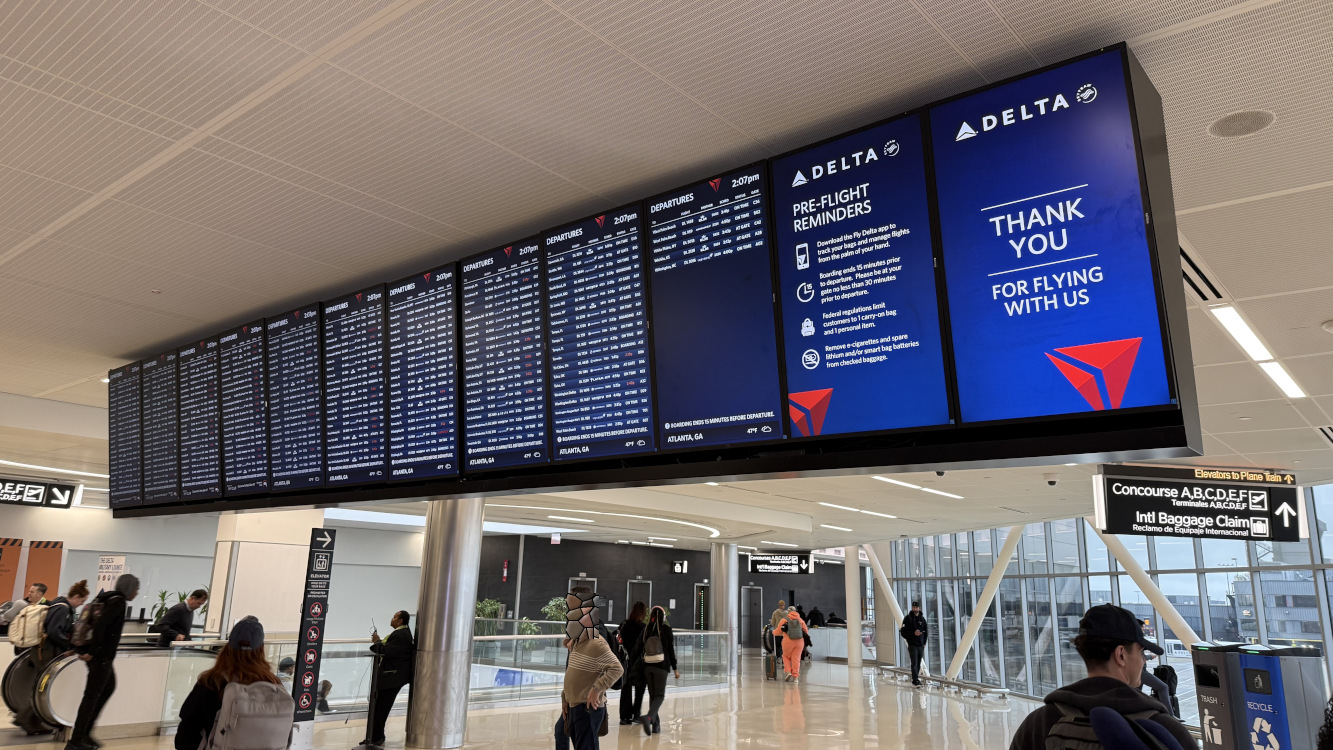
Behind the Screens: How Delta Keeps Atlanta Moving
Delta Air Lines operates the largest network hub of any U.S. airline at its home base in Atlanta. Beyond running its own flight operations, the second-largest U.S. carrier is also responsible for managing the terminal. invidis received exclusive insights into the operation of Delta’s business-critical digital signage network.
Digital signage is becoming mission-critical for more and more end users – and nowhere is this more evident than in the operations of a global airline. While the industry often talks about experiences and image quality, business-critical applications are all about uptime and accuracy: displaying the right information at the right location. From the outside, it may look boring. For an airline, it’s absolutely essential.
Mega Hub at the World’s Busiest Airport
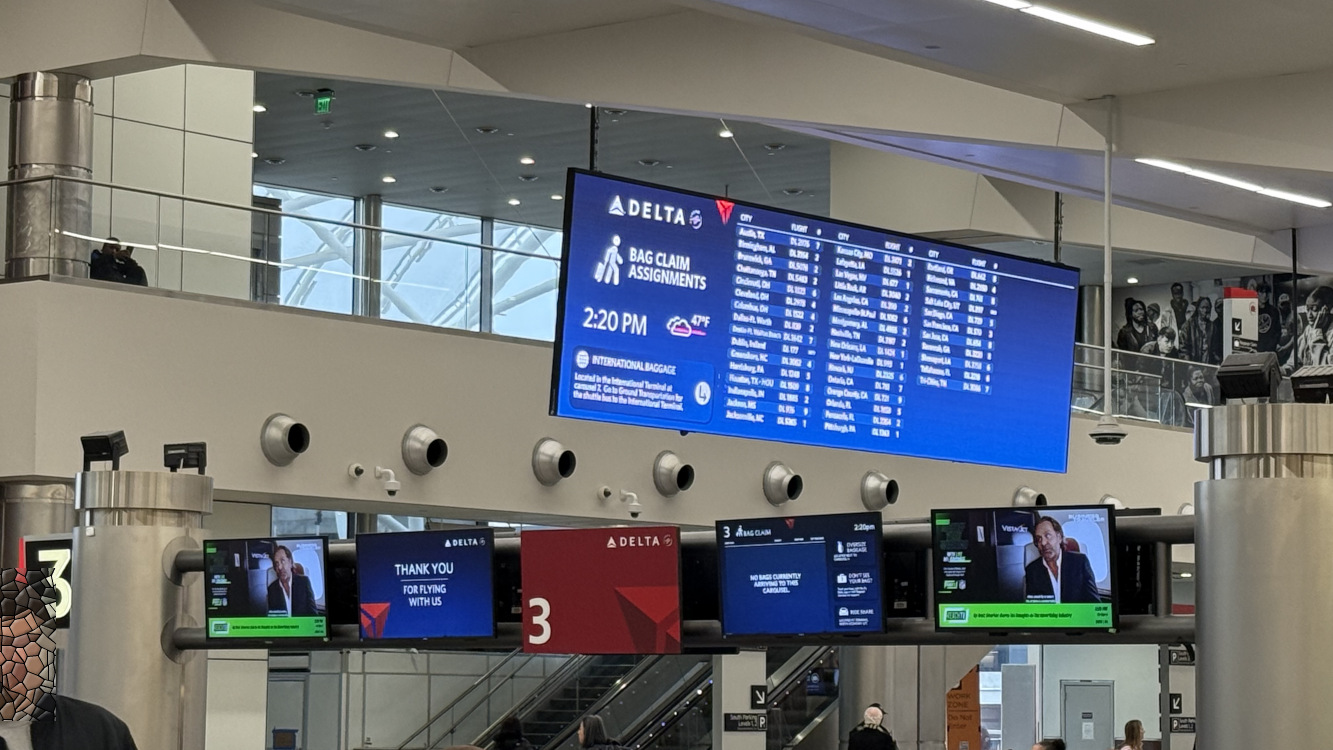
Atlanta Hartsfield-Jackson is the busiest airport in the world by passenger volume. In 2024, it handled around 108 million passengers, more than any other airport globally. With over 1,000 daily flights, it is Delta’s most important hub and home to its corporate headquarters.
The world’s largest airport is equipped with thousands of digital signage displays – most of them behind the scenes, invisible to passengers. Ryan Taylor and his five-person team manage more than 3,500 screens across 300 locations for Delta: from Flight Information Displays (FIDS) and ramp LEDs to employee information screens in break rooms and administrative areas. These use cases share one critical trait: they are business-critical.
Why Every Second Counts
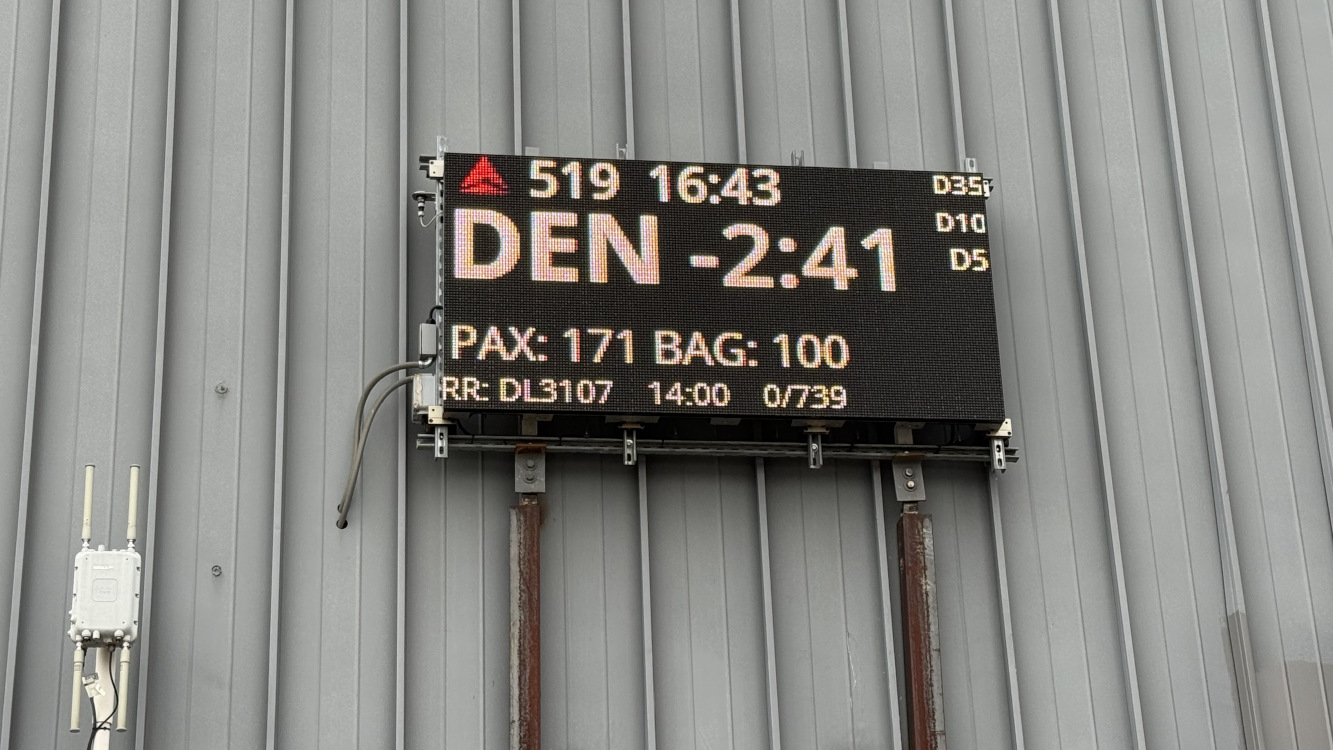
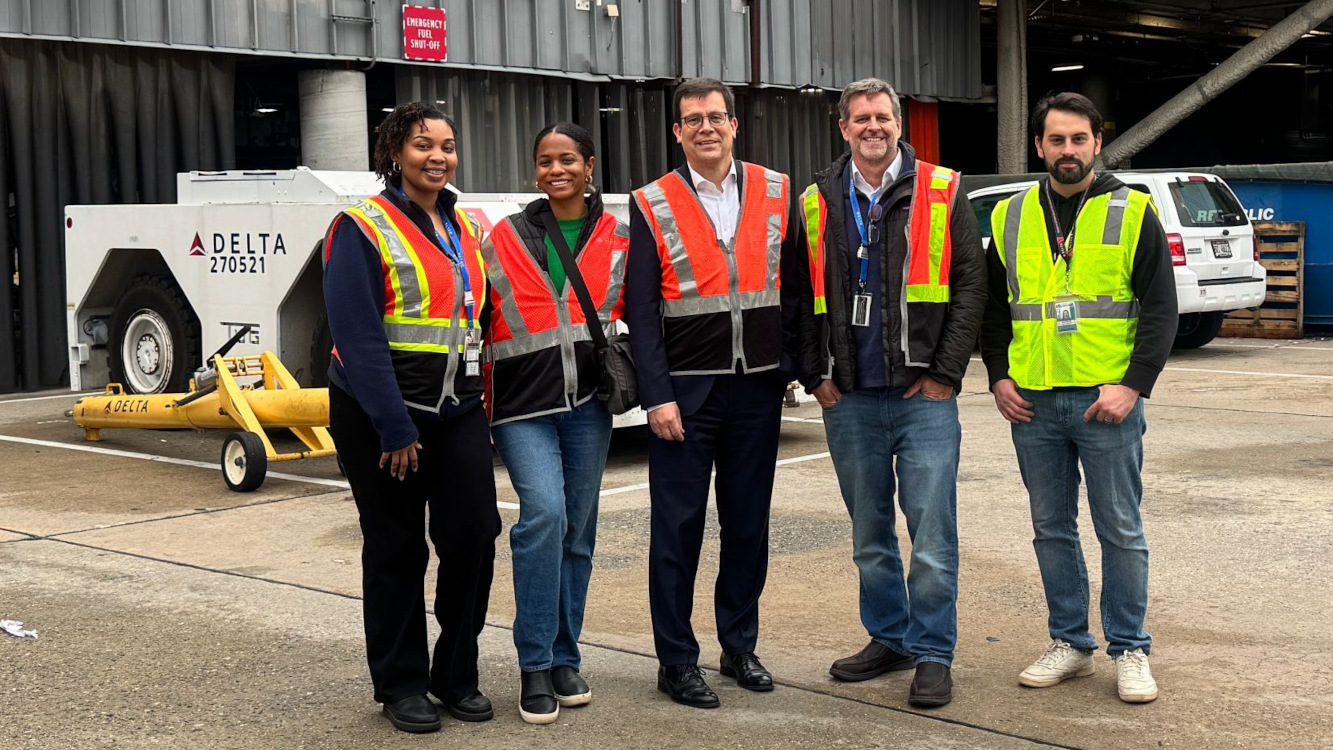
Public-facing displays play a vital role at airports. Passengers rely on them to find their gates, while ramp crews and dozens of service providers need countdowns to departure times to ensure on-time operations. Data flows in from countless backend systems and is distributed centrally via Delta’s digital signage platform. For over a decade, Delta has relied on Poppulo’s CMS to manage this immense volume of data and content across more than 300 locations.
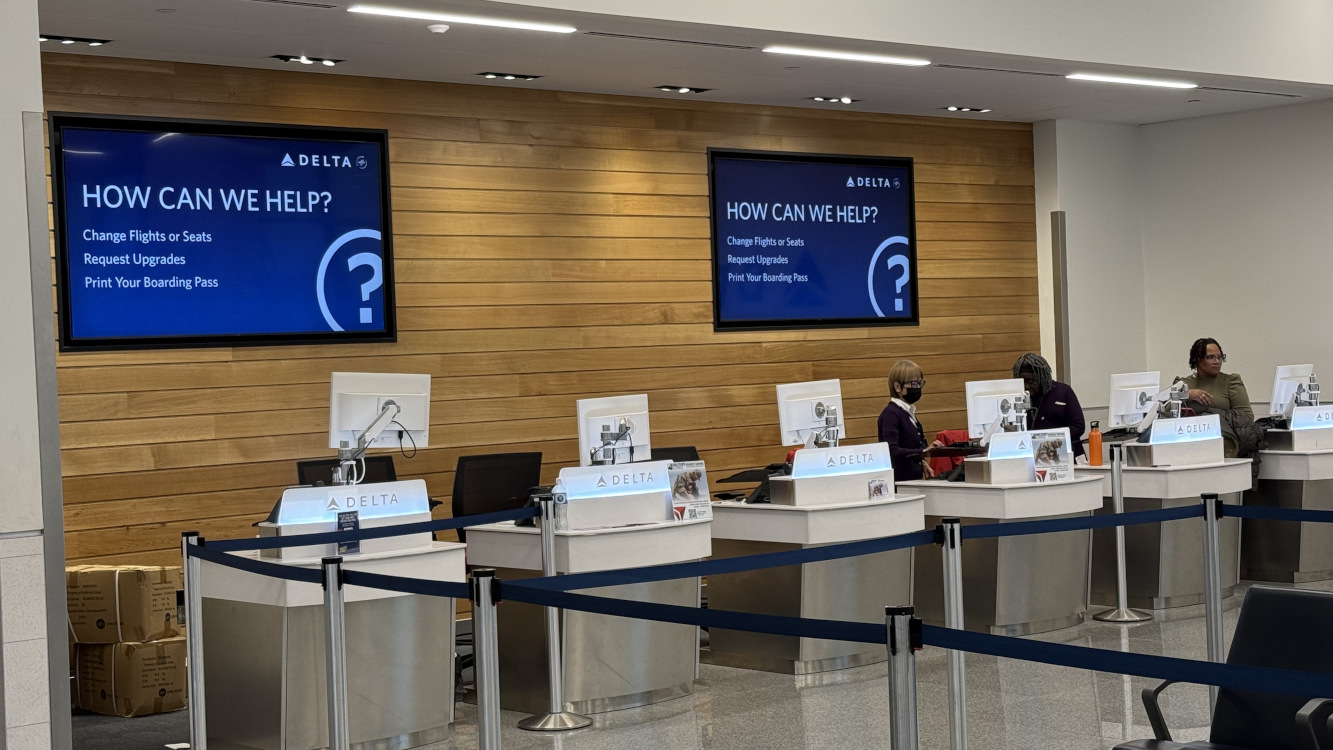
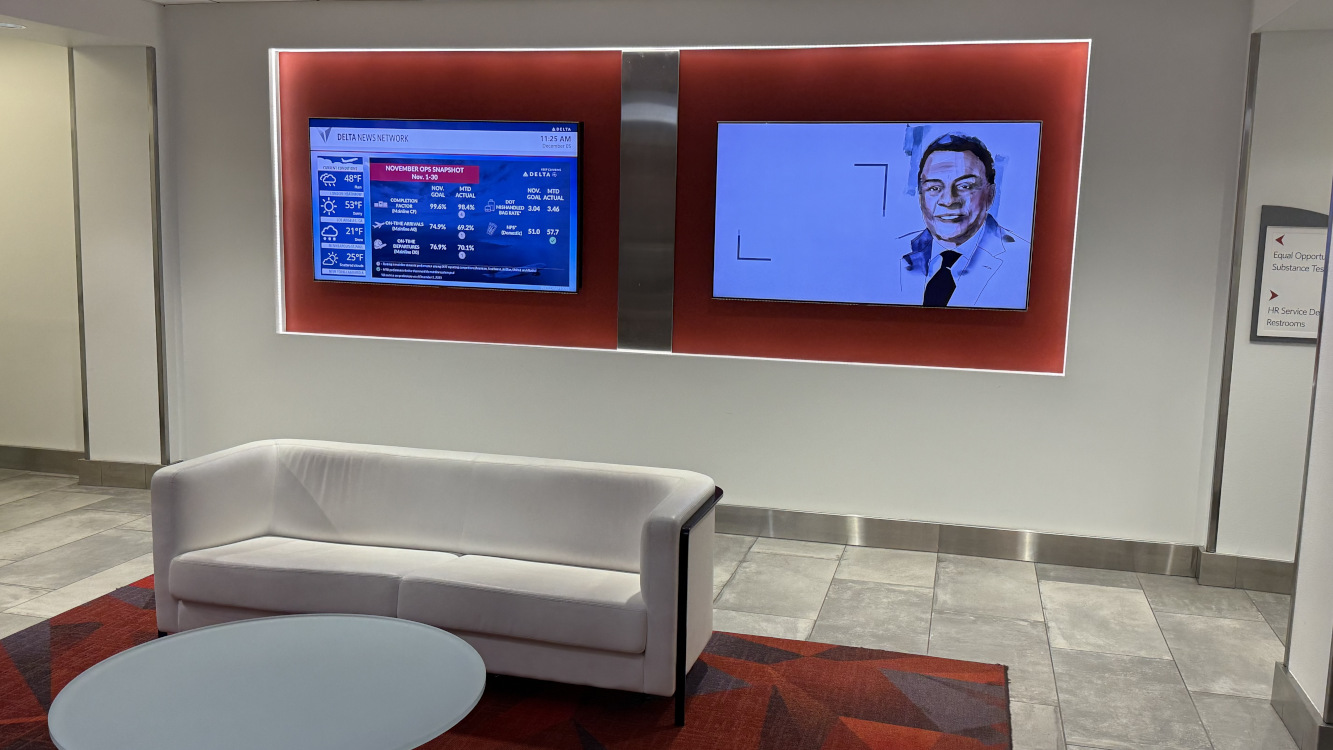
Managing this network is a massive undertaking. Most airport employees don’t have personal computer access at their workstations, making digital signage the primary channel for operational and corporate communication. Displays inform about anything from HR communication to team updates. To keep this information up-to-date and relevant, Taylor’s team alone manages access for over 600 content authors with different roles and permissions. In operations, design takes a back seat to clarity: information is stripped down to essentials, urgency indicated by color codes, and abbreviations dominate. In baggage handling or during pushback, staff must grasp critical data at a glance.
Safety is another key factor. During severe weather alerts, staff must immediately vacate the ramp. In break rooms, screens display flight schedules, crew assignments, and corporate updates—all in real time.
Stress Test: When Operations Freeze
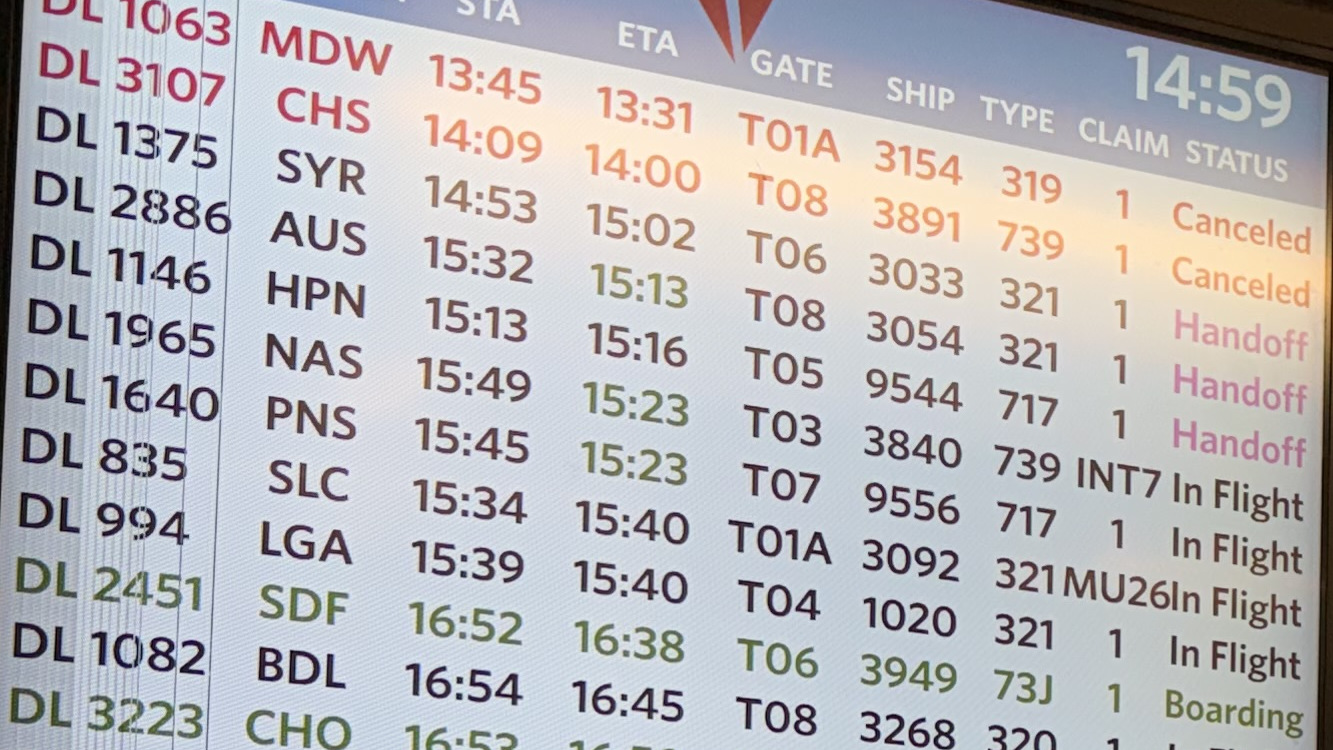
The long rows of FIDS displays in Delta’s terminals are particularly crucial. Delta relies almost exclusively on Philips digital signage screens for dynamic gate and departure information, supplemented by overlays showing lounge occupancy, weather updates, and more.
A failure of FIDS would cause massive disruption to the passenger journey – or rather, the entire travel chain. Operational reliability is paramount. When winter storms or other irregular operations (IREG) bring air traffic to a standstill, FIDS becomes the focal point for passengers, staff, and even the media. Nothing illustrates a breaking news story better than dozens of screens flashing Delayed and Cancelled.
Digital signage at Delta is not about flashy experiences—it’s about keeping the world’s busiest airport moving. Business-critical, without compromise.