At invidis, our focus often revolves around Digital Signage and DooH. Yet, digital is only one piece of the puzzle when it comes to creating truly memorable experiences. Increasingly, light is emerging as a powerful design element that complements digital signage and transforms spaces into immersive environments.
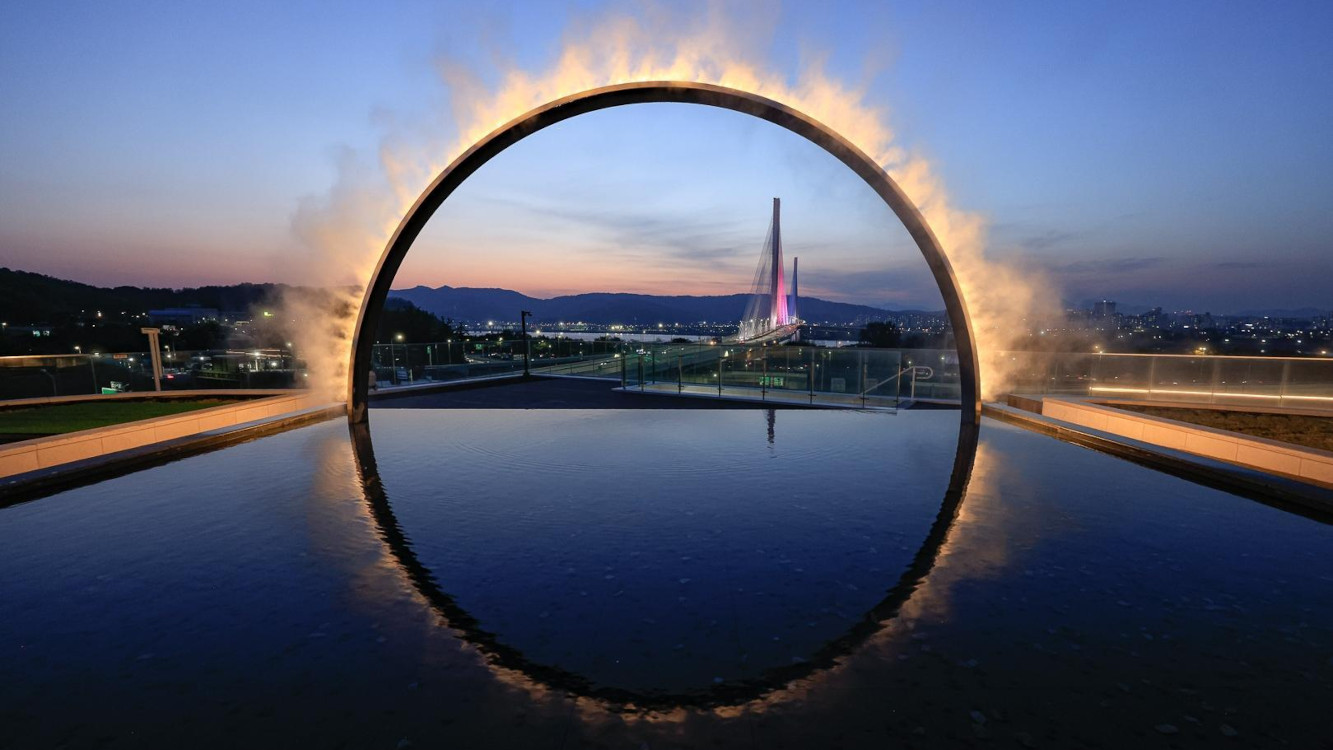
Light: How Illumination Shapes Experiential Spaces
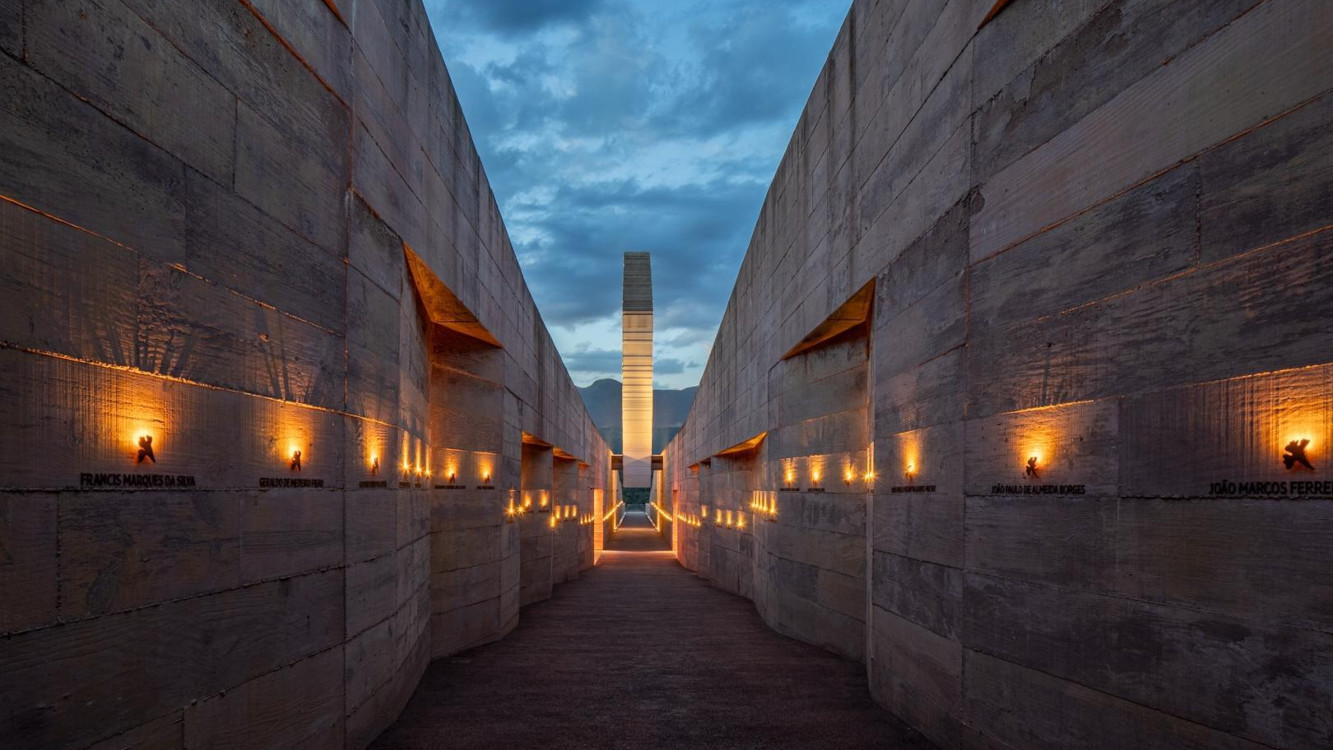
The growing demand for original and creative spaces has elevated the role of lighting in architectural design. Far beyond mere functionality, light can highlight architectural details, sculpt forms, and even redefine entire environments. Artificial lighting, in particular, offers unmatched flexibility—allowing designers to create effects and focal points that natural light simply cannot achieve. This adaptability enables the creation of spaces and shapes that were once considered impossible.
From Concept to Experience
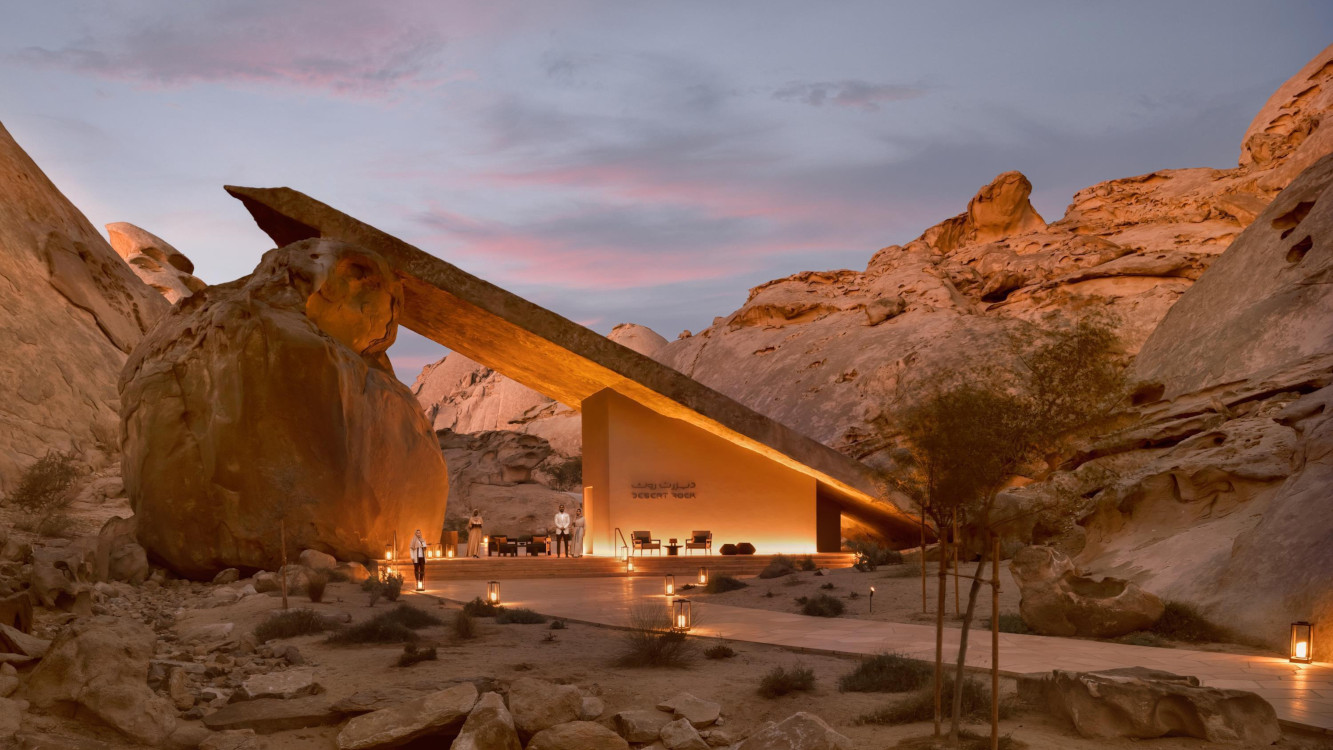
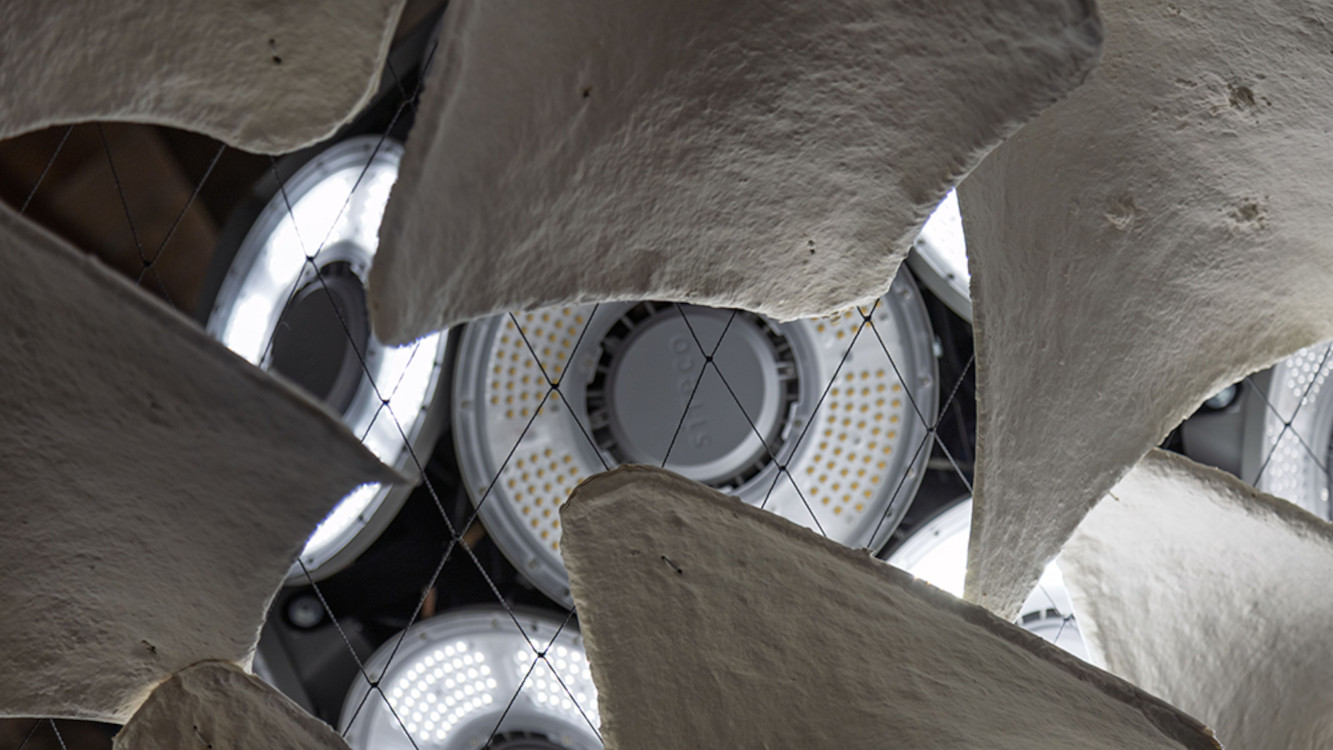
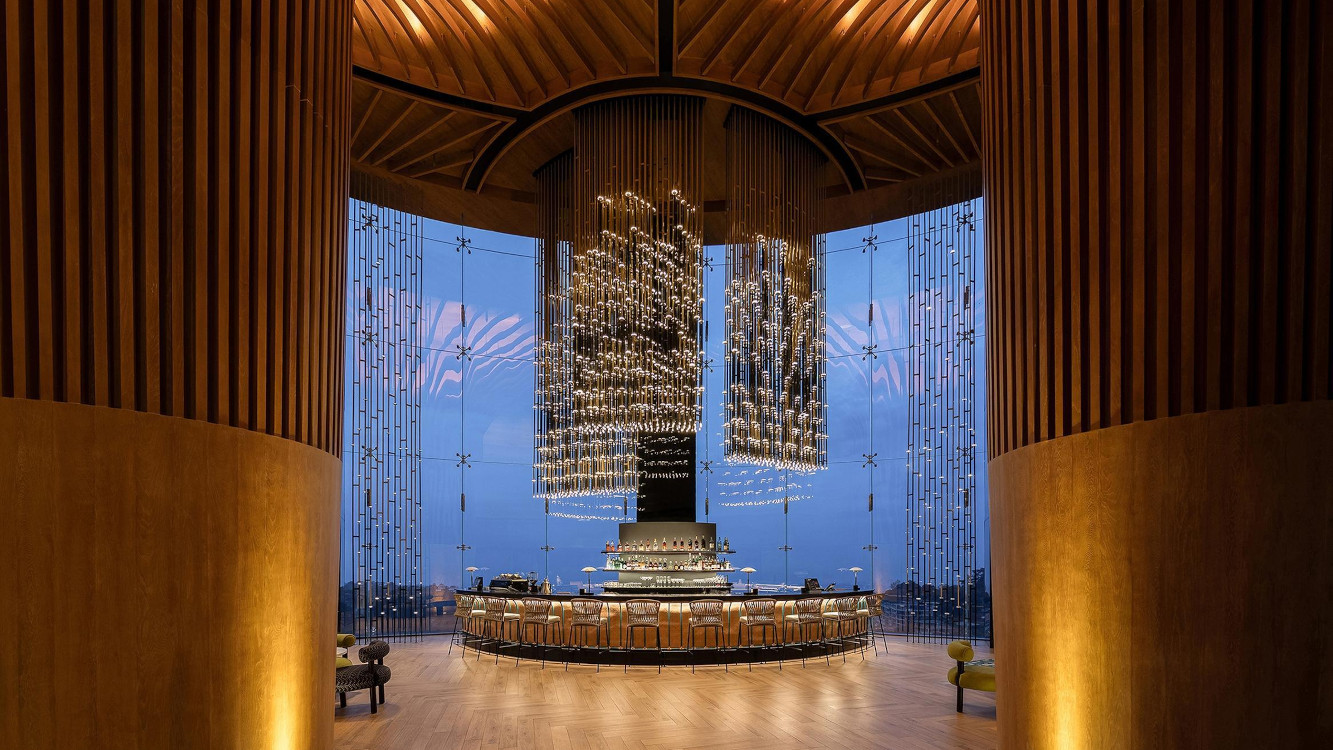
Architects and design studios worldwide are embracing light as a core component of their projects. It’s no longer an afterthought but a strategic tool for storytelling and emotional engagement. Whether it’s accentuating textures, guiding movement, or evoking mood, lighting has become integral to shaping how we perceive and interact with spaces.
Celebrating Global Creativity: LIT Lighting Design Awards 2025
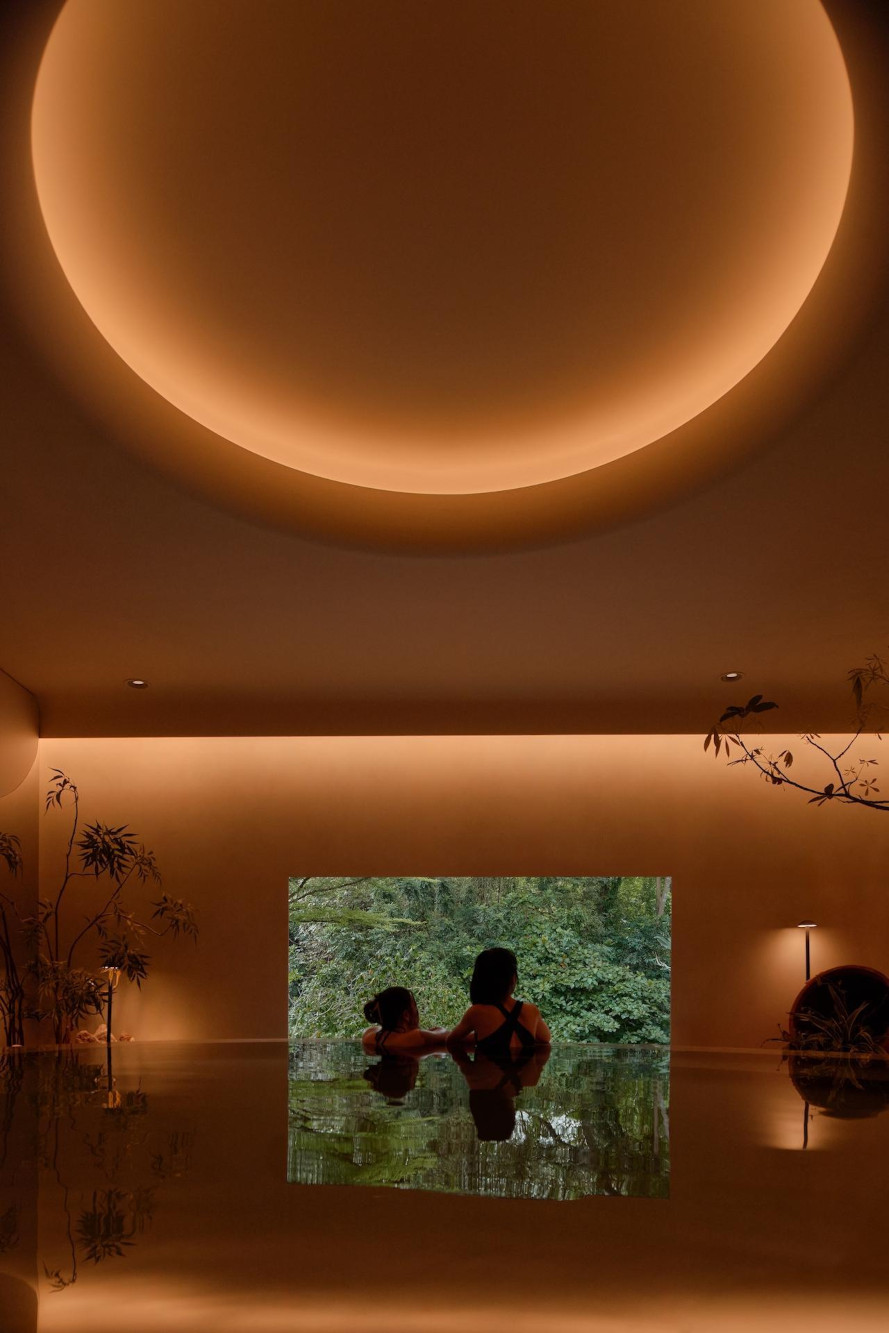
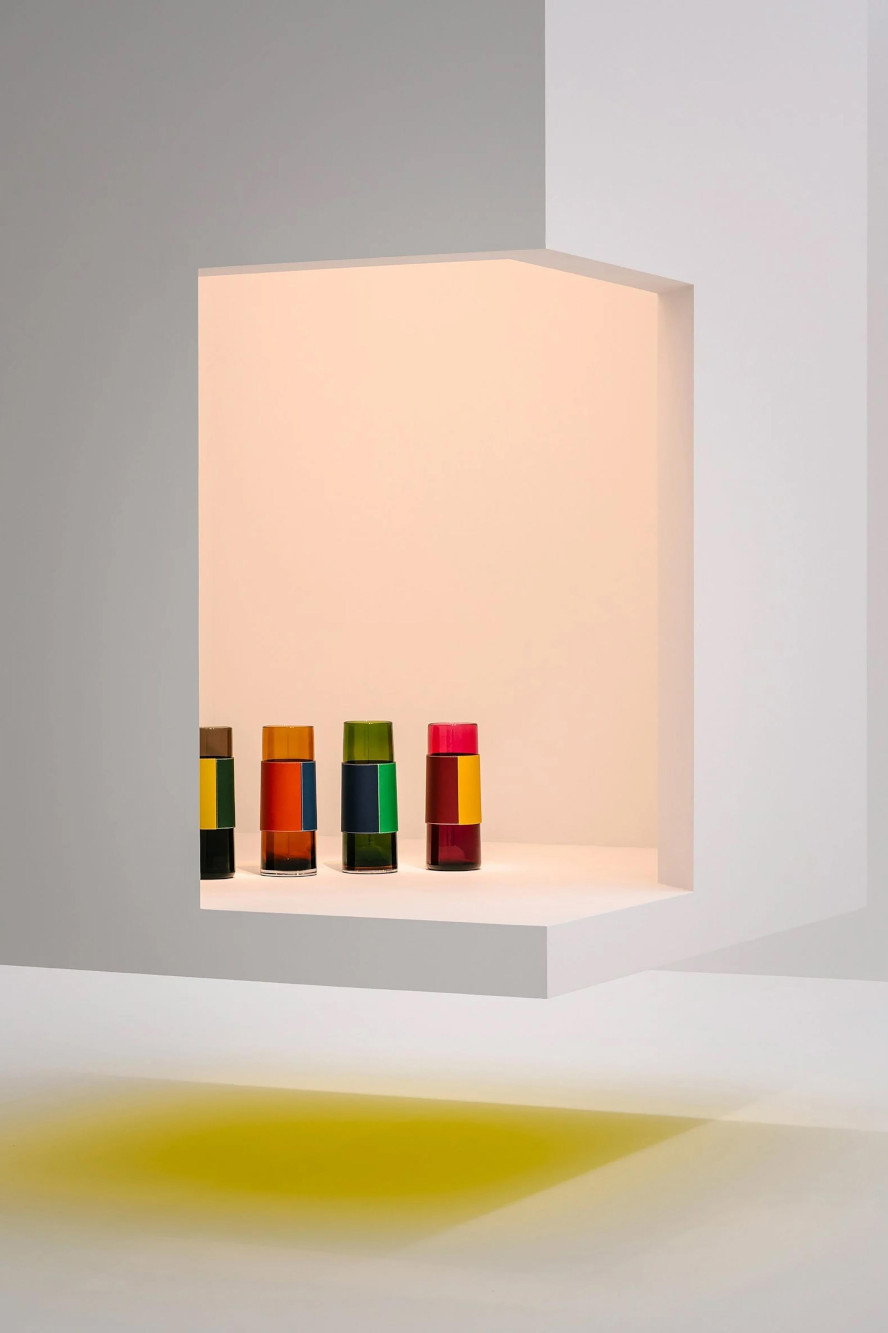
The LIT Lighting Design Awards 2025 underscore this trend by honoring the most innovative projects in the global lighting industry. With over 1,000 submissions from 62 countries, the winners reaffirm that light remains one of the most powerful mediums for influencing perception, emotion, and our connection to the world around us.
The Future of Experiential Design
As digital signage continues to evolve, integrating dynamic lighting solutions will be key to crafting holistic experiences. Light doesn’t just illuminate – it narrates, transforms, and inspires. For brands and architects alike, the challenge and opportunity lie in harmonizing these elements to create spaces that resonate on both a functional and emotional level.