
The city of Mumbai has introduced a new outdoor advertising policy imposing stricter regulations on static and digital roadside billboards following a tragic incident in May 2024, when an illegally erected billboard measuring over 1,500 m² collapsed during heavy rain, killing 17 people and injuring more than 70. Public pressure after the disaster has driven authorities to overhaul billboard safety and visual standards. DooH screens are limited to a luminance ratio of 3:1 – flickering content will be totally banned.
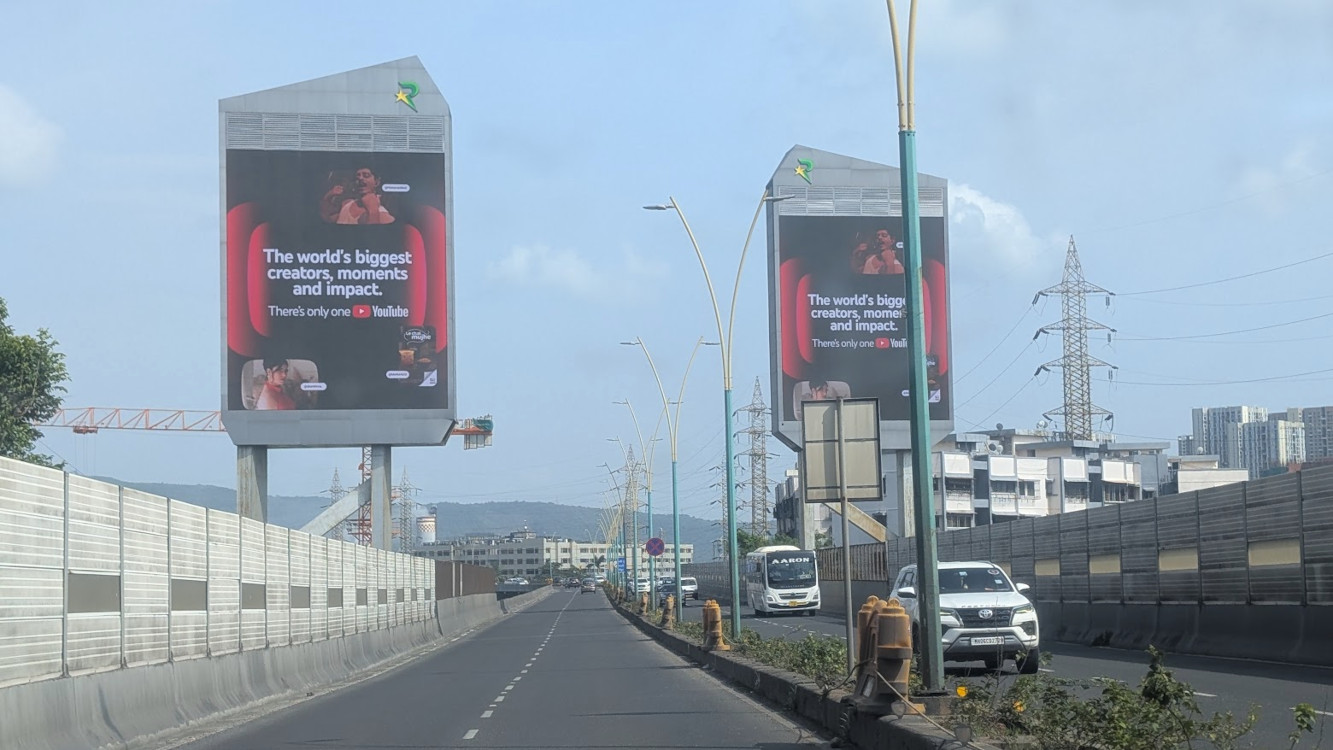
Mumbai: Stricter Rules for Roadside Screens
The potential distraction caused by roadside DooH screens has been a recurring concern since the advent of digital outdoor advertising. India – the world’s most populous nation and one of the fastest-growing DooH markets – has imposed stricter regulations than many mature Western markets. Interestingly, government-operated screens in Delhi remain exempt from these rules and continue to shine brightly at night.
Beyond excessive brightness, India faces a unique challenge: the widespread presence of non-authorized billboards, both static and digital, erected without city approval. In May 2024, one such unauthorized structure – measuring more than 1,500 m²- collapsed during heavy rain onto a gas station, killing 17 people and injuring over 70. The tragedy sparked public outrage and intensified pressure on authorities to tighten regulations and enforce compliance.
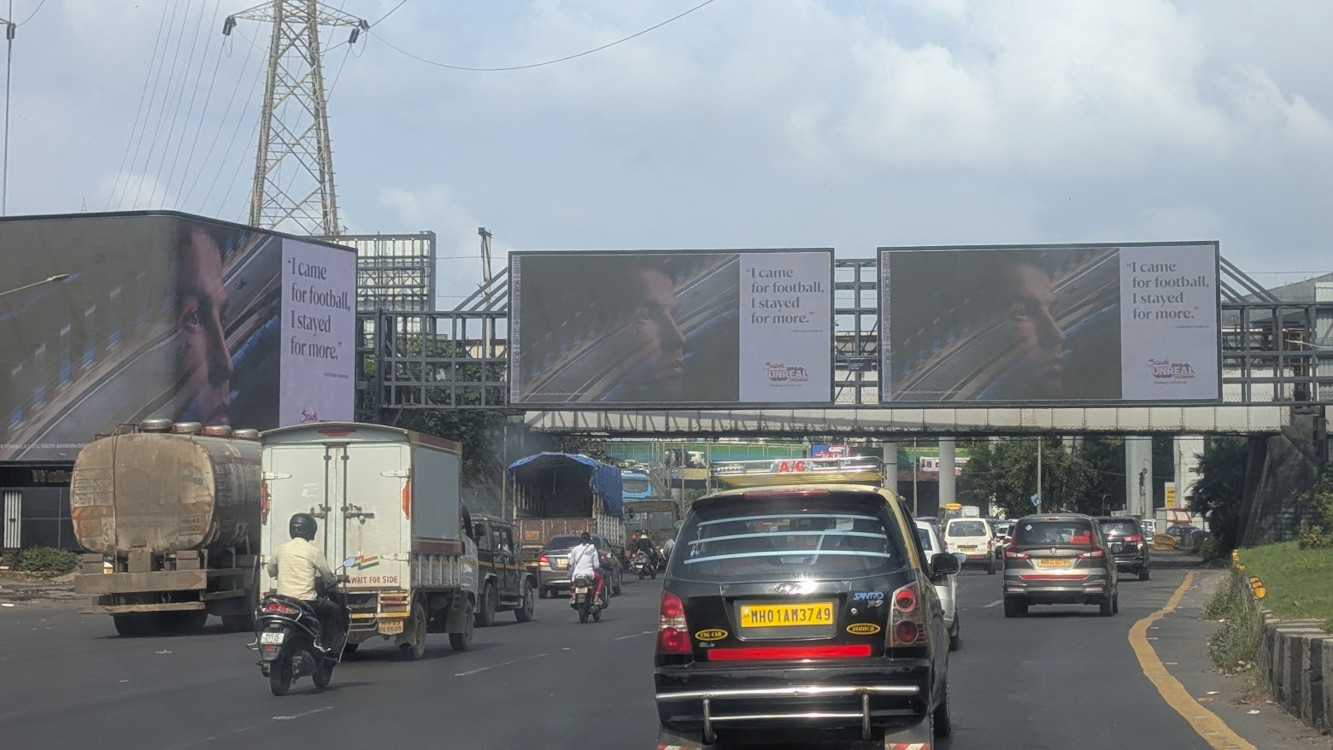
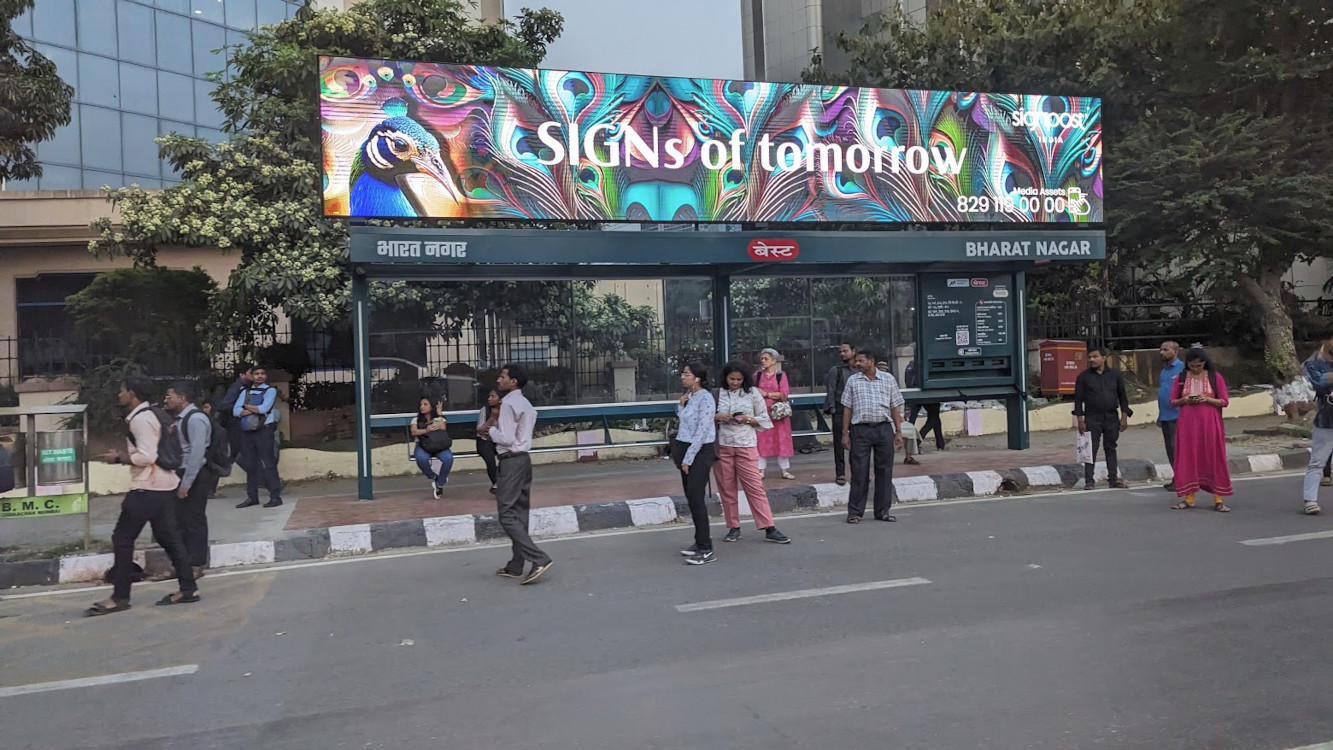
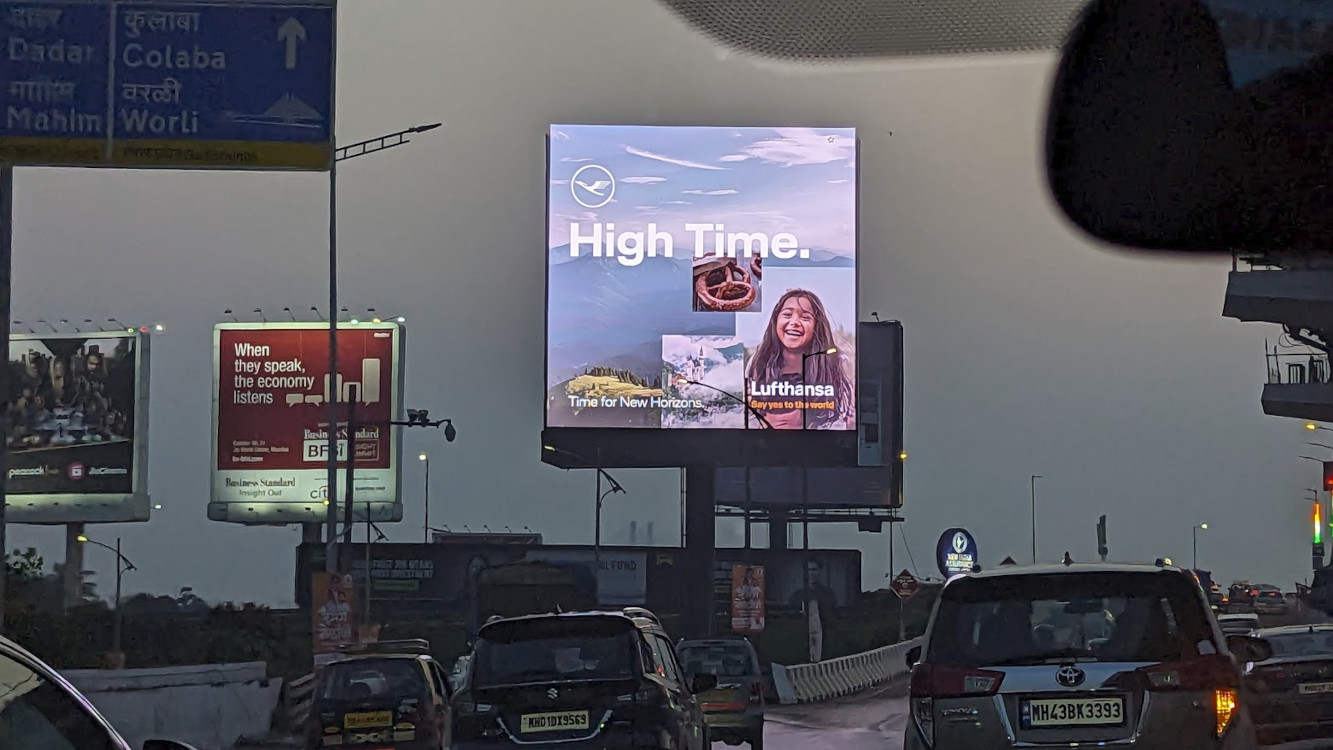
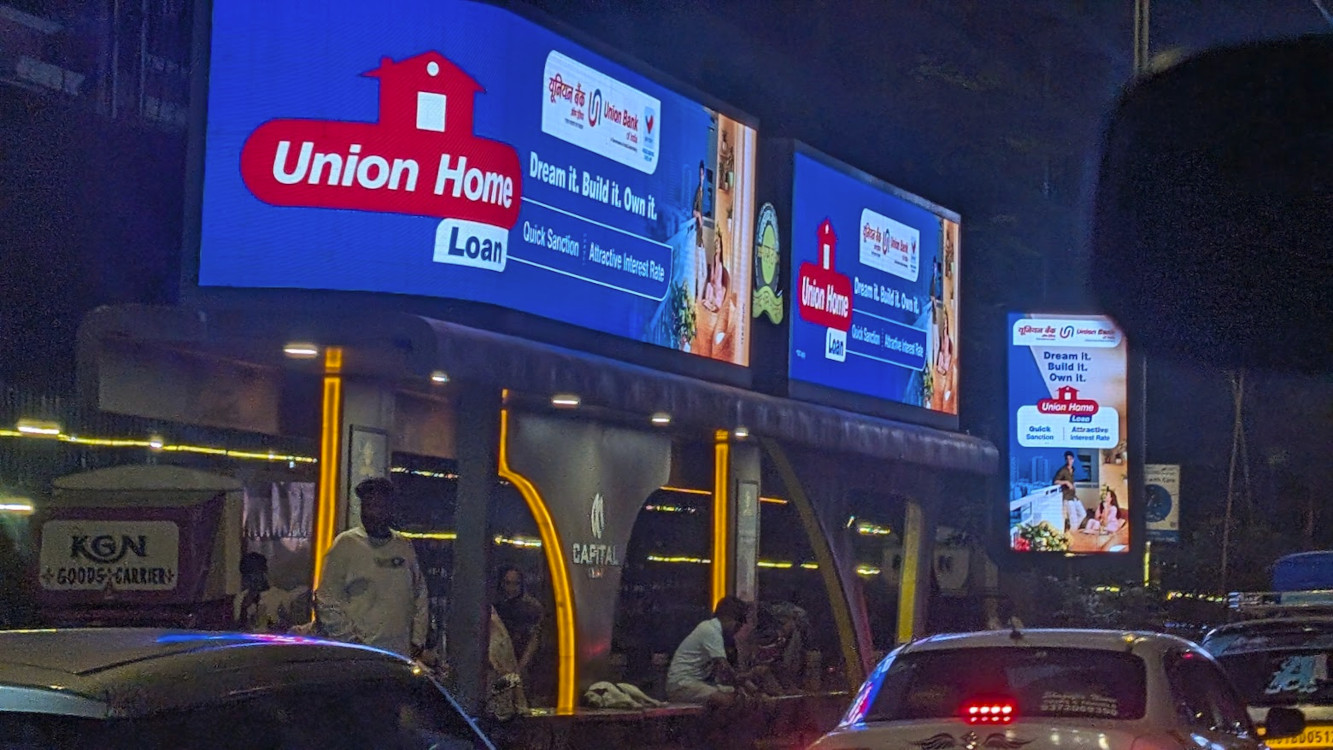
New Billboard Rules for Mumbai
This week – according to the Times of India – the metropolitan government of Mumbai released a new set of rules governing outdoor advertisements in the city, imposing stricter controls on where and how roadside ads can be displayed.
The tightened OoH policy guidelines prohibit popular billboard and screen hoardings on footpaths and building terraces. Now billboard sizes are limited to a maximum of around 12m x 12m or about 150m². Until now many mostly illegal billboards measure up to 40m x 40m with a total area of more than 1.500m² – more than 10 times as much as the new regulations permit.
Less Brightness for DooH
New regulations for digital roadside billboards, media façades, and transit shelter screens now cap their luminance ratio at 3:1 and prohibit flickering content to reduce visual pollution. A 3:1 ratio means a digital display cannot be more than three times brighter than its surrounding environment, ensuring it does not cause glare or distract drivers. DooH screens will still be permitted in malls, commercial complexes, and gas stations, but authorities are cracking down on temporary installations often erected without authorization during India’s many festive seasons.
invidis comment
The brightness cap could pose challenges for DooH operators. On cloudy days, large roadside screens already struggle with visibility under existing limits. Further restrictions may affect the attractiveness and ROI of outdoor digital campaigns in Mumbai over the long term.
However, the crackdown on unauthorized hoardings is a positive step toward professionalizing India’s fast-growing DooH market, which has often lagged behind global standards in compliance and safety. Leading DooH media owners like Times OoH, Signpost India or Skycom India will benefit from a better regulated market raising standards for all market players.