Mumbai | Retail Media and DooH are rapidly evolving markets in India. While retail media is becoming a more engaging part of the shopper journey, gaps such as outdated CMS platforms and limited real-time audience profiling still hinder strategy. As India’s DooH boom accelerates, media owners and retailers are racing to match global standards, turning signage into a powerful revenue stream.
Infocomm India 2025: India’s Leap into Contextual Signage
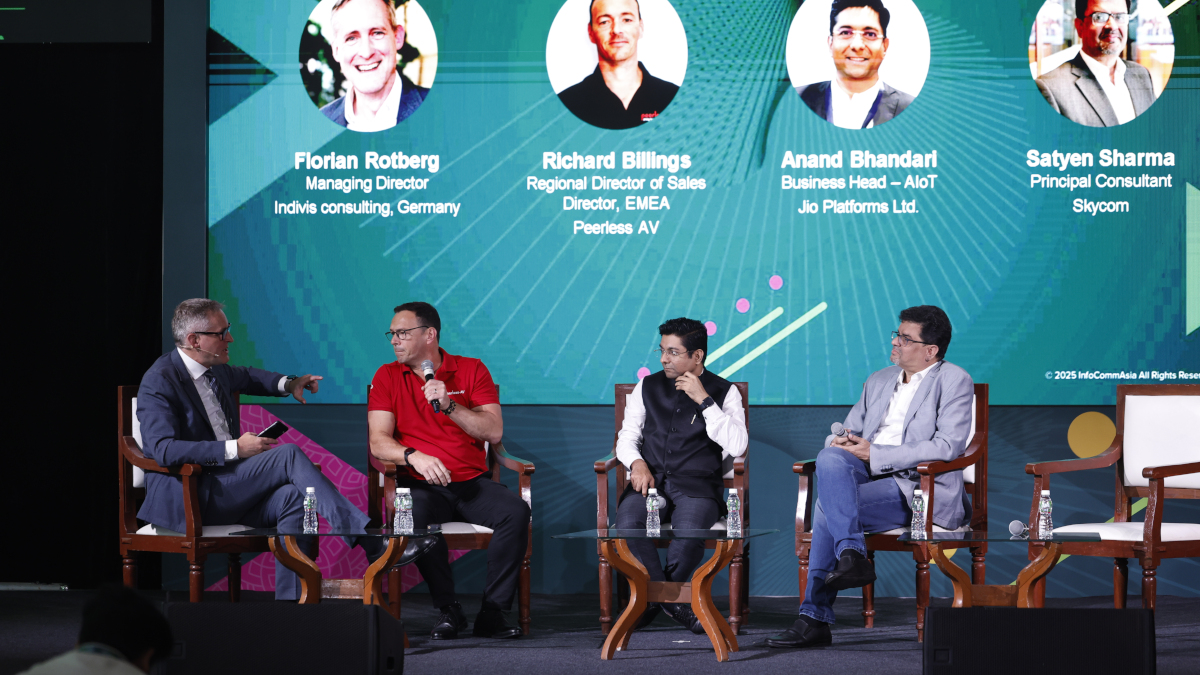
At this year’s Infocomm India, the invidis panel discussion on Trends in Retail Media Networks & DooH, brought together industry leaders to explore how digitisation is reshaping the retail and out-of-home landscape in India. While the sector is still evolving, media owner are replacing static posters with dynamic screens at retail touchpoints and transforming traditional billboards into high-impact, large-format DooH canvases. The consensus was clear: retail is no longer just a place to transact, but a space to engage, guide, and enhance the shopper journey.
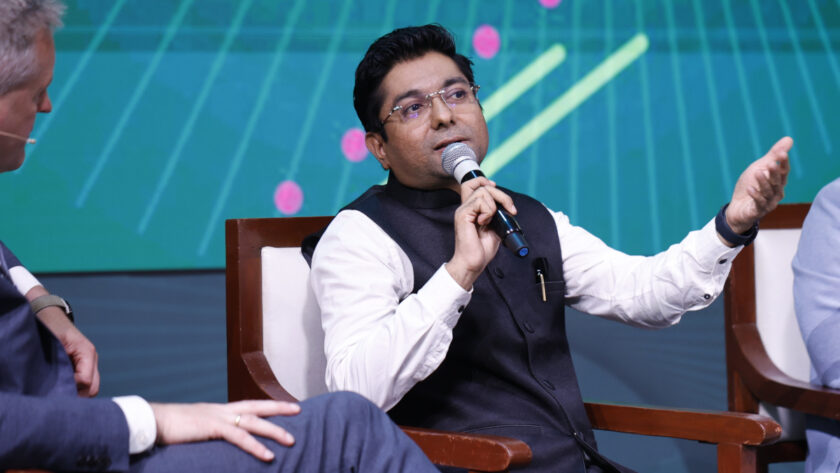
Yet despite the rapid rollout of screens, the infrastructure behind them still lags. Panelists Satyen Sharma of Skycom India and Anand Bhandari of Jio Platforms highlighted the urgent need for smarter CMS platforms, real-time audience profiling, and sensor-driven automation. Today’s DooH and retail media network deployments often “show” content rather than strategically communicate targeted to specific audiences. India’s DooH and Retail Media industry stills needs to learn how to use contextual intelligence at the PoS. India is not there yet, but the path is visible.
Government Regulations hinder faster roll-outs
Outdoor LED signage presents its own set of challenges. Context is everything – understanding who the audience is, how fast they’re moving, and what environment they’re in. Especially in India regulations and permissions remain a thorny issue, often seen as a burden until disaster strikes. But regulation can also be a force for good, bringing standardisation and protecting the integrity of media assets – just as it did in the broadcast world.
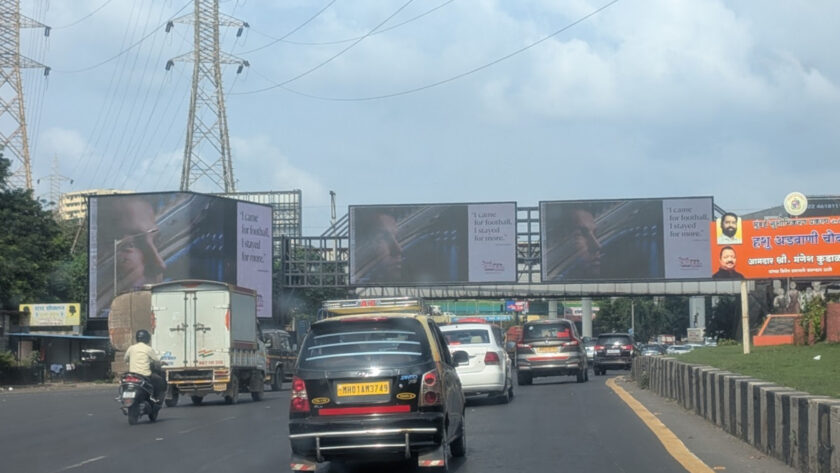
The panel discussed also the power of sensors and data. Real-time audience profiling is essential to move beyond broadcast-style messaging. Screens must “know” their viewers – whether it’s offering sunscreen on a sunny day or suggesting a fragrance tailored to the passerby. Tandem screens that link outdoor traffic data to indoor promotions were cited as a promising use case. And yes, data still rules attention – especially in India, where cricket scores may soon share the spotlight with a growing interest in other sports.
Mounts Matter: The Overlooked Backbone of Outdoor Signage
An often neglected component of digital signage and DooH are mounts and totems. Richard Billings of Peerless AV pointed out that while screen size and brightness are top of the agenda, proper installation and mountings are often considered an issue with minor relevance. But especially freestanding roadside DooH screens which are often much larger than in North America and Europe, require proper foundation and solid mounting that can withstand even typhoon winds. Also media owners should focus on easy to maintain, safe, and serviceable DooH installations.
DooH networks are booming in India – even red tape hinders an even faster roll-out – and supermarket chains are catching up with their peers in North America and Europe in establishing retail media network as a new revenue generating source.