For years, the digital out-of-home industry held onto a compelling vision: that EV charging points could double as media platforms, generating advertising revenue while partly refinancing the future of mobility. It was a seductive idea - screens at charging points, delivering targeted content to a captive, affluent audience. But reality has proven far less accommodating.
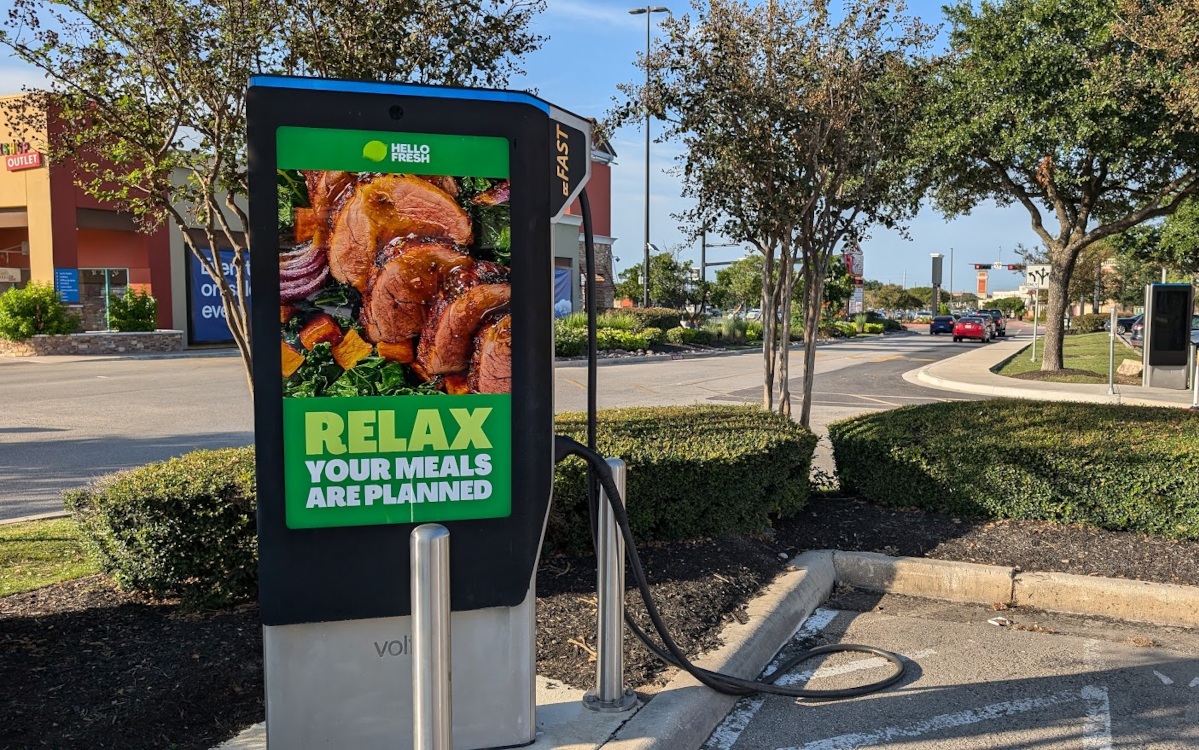
Opinion: Volta and the Unfulfilled Promise of DooH-Driven EV Charging
This week the perhaps most symbolic setback came from Shell, which announced (Sixteen-Nine) the shutdown of Volta, its U.S.-based EV charging network with integrated large-format displays. Roughly 2,000 charging points are now being dismantled. The message is clear: mission failed.
Why the Business Model Didn’t Work
The Volta collapse isn’t an isolated case. It joins a growing list of failed DooH-EV ventures in North America and Europe. The reasons are both practical and structural:
- Poor screen visibility: Tesla, the dominant EV automotive brand, places its charging port at the rear. Cars back into chargers, blocking the screens from te driver’s view.
- Suboptimal placement: Volta’s early screens were positioned at high-traffic retail entrances. Later installations moved to standard parking lots – less foot traffic, less visibility.
- Diluted audience: Once targeting high-income EV drivers, Volta’s slow chargers lost appeal as fast-charging networks like Tesla Superchargers and Electrify America gained traction.
- Improved EV range: Drivers no longer need frequent top-ups, reducing dwell time and exposure to ads.
- Political headwinds: The rollback of EV subsidies under the Trump administration undermined long-term profitability.
In Europe, the model never gained traction. High electricity prices made free charging-for-ads unsustainable. Startups like Jolt now deploy screenless chargers with battery buffers, while Alpitronics dominates with fast chargers offering only minimal screen real estate. Numbat, a promising Allgäu-based startup, folded in 2024 after DooH revenues in its predominantly rural area network fell far short of expectations.
Even display manufacturers like LG have scaled back their DooH-EV ambitions, pivoting toward smaller high-brightness touchscreen modules for business-critical interactions – without developing an advertising layer on top of LG inhouse EV-platform.
Is the DooH-EV Model Dead?
Not entirely. There may still be room for DooH at charging parks with centralized LED screens, especially in urban environments. DooH-Operators like Ströer and JCDecaux, with exclusive advertising rights in prime city locations, could explore hybrid models. But the idea of integrating DooH directly into individual charging stations? That’s a business case that continues to defy viability.
Conclusion: Lessons from Volta
The Volta story is a cautionary tale of overestimated synergy between two fast-moving industries. While EV adoption continues to grow, and DooH becoming the favourite medium, their intersection demands more than just proximity—it requires strategic alignment, user behavior insight, and realistic economics.