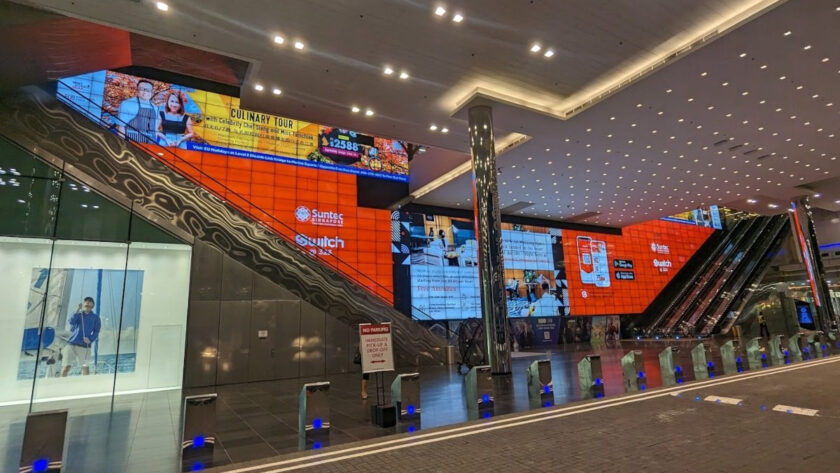
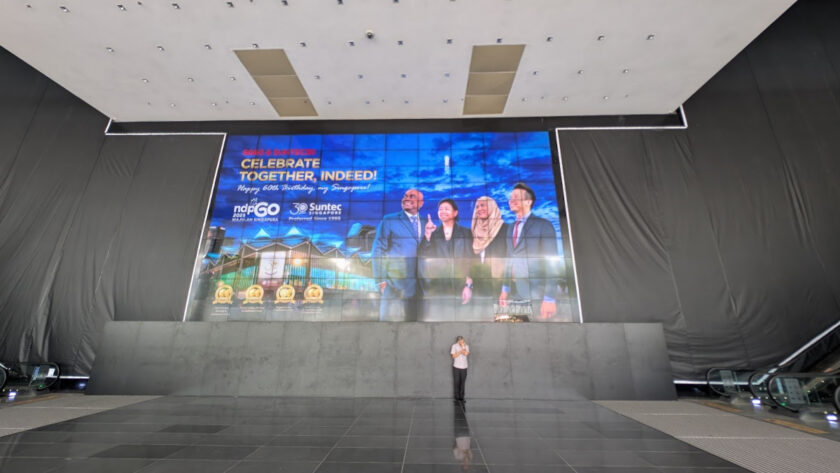
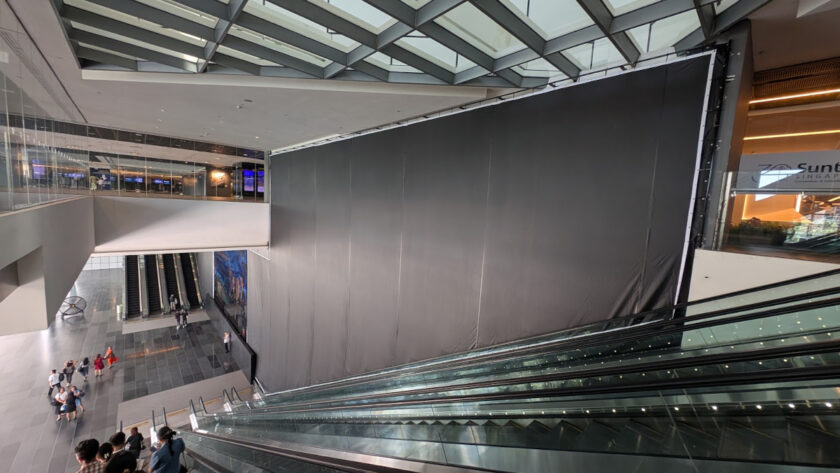
At Singapore’s Suntec Convention Centre, the once world’s largest LCD video wall – installed in 2013 – is being retired after 12 years of continuous service. By today’s standards, that kind of longevity borders on exceptional. In fact, some airport displays built a decade ago are still in operation, silently challenging the industry’s current obsession with thinner, cheaper, and more disposable screen designs.
Opinion: Built to Last – Why Digital Signage Must Rethink Durability in the Age of Sustainability
The Durability Dilemma
Modern professional screens have evolved to become sleeker, lighter, and more cost-effective – but at a cost. Gone are the metal housings, active cooling systems, and repairable components of earlier generations. Today’s displays favor plastics and resin-based parts, resulting in lower weight and price points but significantly reduced robustness and repairability.
This shift is most evident in the performance plateau of integrated SoC media players. Unlike other consumer electronics that evolve rapidly, built-in computing power for digital signage has reached a level of “good enough” capability – obviously considered adequate for current needs. What matters more today is more frequent browser updates for SoCs to ensure cybersecurity and compatibility, rather than raw processing power.
The Case for Longevity
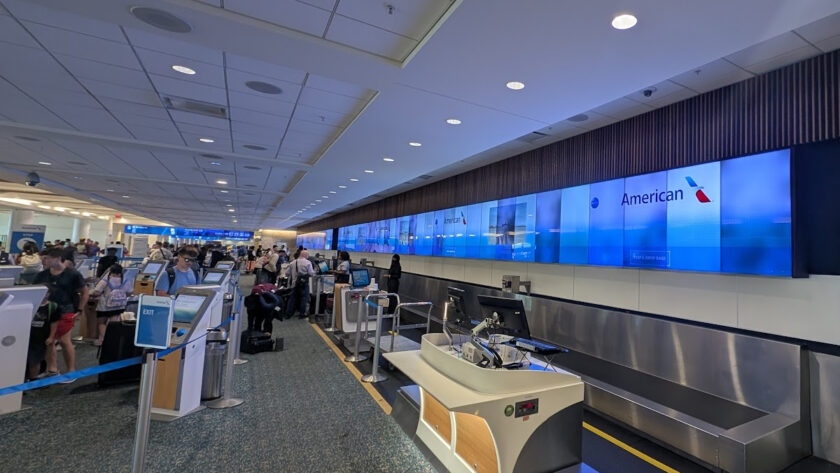
Real-world examples highlight the limits of today’s approach. The LCD video walls at Orlando International Airport, for instance, show marked deterioration in image quality after just eight years. Meanwhile, Suntec’s uncooled outdoor display ran 12 years without dramatic degradation. The contrast is clear: quality matters.
Sustainability Starts with Design
As global efforts and regulations to reduce carbon footprints intensify, it’s time for digital signage to step up. Screens designed for longer lifespans directly contribute to lowering emissions – especially when paired with repairable architectures and energy-efficient operations.
Large IT and digital signage system integrators are beginning to respond, developing managed signage models that bundle financing, operations, maintenance, and service contracts. These programs align profitability with sustainability, allowing customers to extend lifecycle value without sacrificing innovation or aesthetics.
A Call for Smarter Signage
The display industry can no longer afford to build for obsolescence. Rethinking durability isn’t just a technical challenge – it’s a strategic imperative. A more sustainable future in digital signage means designing displays not just to impress, but to endure.
For more information about sustainability download our Green Signage Handbook